Source: https://res.insta360.com/static/d60f290b793874fa6cc88df5b1d88ddb/neom-yx7TJle8LhM-unsplash-tuya.jpg
Capturing the beauty and mystery of dynamic underwater environments is no easy feat. From the rhythmic motion of waves to the haunting allure of shipwrecks, filming beneath the surface demands creativity, technical expertise, and adaptability. The challenges are as vast as the oceans themselves—unpredictable currents, limited light, and marine life that doesn’t follow a script.
In this article, you’ll discover what it takes to film in these ever-changing aquatic worlds. Learn about the tools, techniques, and strategies professionals use to transform underwater chaos into cinematic masterpieces. Whether you’re an aspiring filmmaker or just curious about the magic behind the lens, this deep dive will leave you inspired and informed.
Filming underwater presents unique challenges and opportunities. Dynamic environments, such as coral reefs and shipwrecks, demand adaptability and precision. Understanding how currents shift, light refracts, and marine life behaves is critical for capturing compelling footage.
Preparation begins with studying the location. Different aquatic terrains influence shots in various ways. For example, open water offers expansive visuals, but reefs provide intricate details. Researching water temperature, visibility levels, and tidal patterns helps you anticipate potential issues.
Equipment must handle pressure, salt, and moisture. Standard gear often fails in such conditions, meaning specialized tools become necessary. Cameras need housings to remain waterproof, and lighting must penetrate murky depths. Selecting gear that matches your shoot location's complexity ensures optimal results.
Safety remains a core focus. Working in unpredictable underwater spaces requires clear planning and skilled collaboration. Brief your team on communication signals and establish contingency plans in case of emergencies.
Filming underwater involves tackling obstacles unique to submerged environments. Lighting, stability, and pressure are just a few hurdles you face below the surface.
Planning ahead makes all the difference when filming in shifting aquatic environments. Visibility can change quickly with tides or suspended sediment, so choosing stable spots—like calm coves—improves your chances of capturing clear footage.
Using a waterproof action camera is essential in these unpredictable settings. These rugged devices are built to handle wet, high-pressure conditions without sacrificing video quality. For safety, always monitor decompression limits and stay in communication with surface teams. In areas too risky for divers, underwater drones or ROVs paired with waterproof action cameras allow you to record safely and effectively.
Underwater equipment must withstand intense pressure and constant moisture. Pressure-resistant housings are critical for cameras like the Insta360, which can be paired with dive cases to maintain performance at greater depths. Rebreathers help extend dive time and minimize bubbles—essential for capturing undisturbed marine life.
Specialized lighting systems improve images in low-visibility settings. Surface-supplied air systems expand operating depth while ensuring reliability. Planning your tools to match location demands improves outcomes and reduces the risks.
Experimentation leads to captivating underwater visuals. Adjust approaches to embrace the fluid and ever-changing environment.
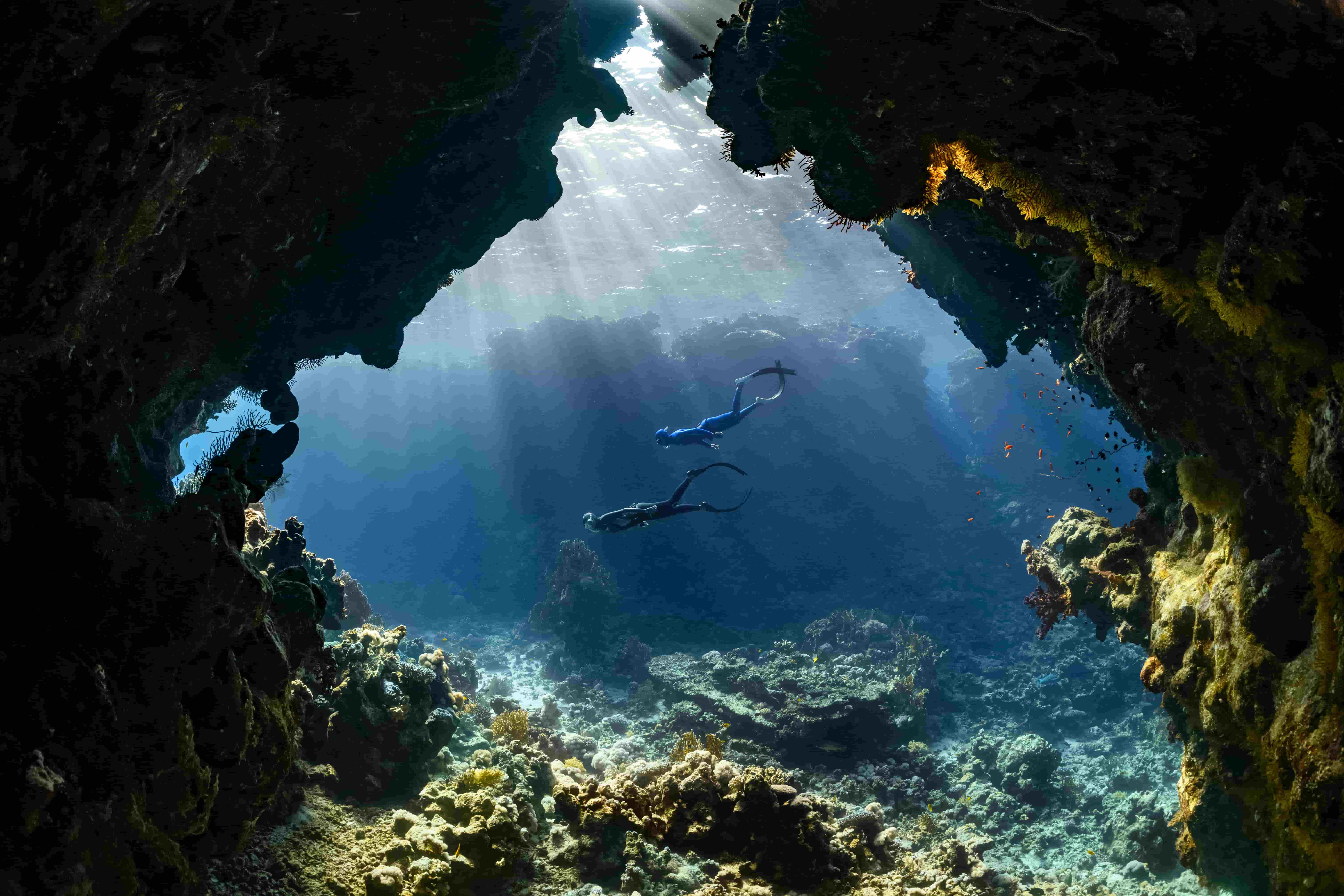
Depth, time, and clarity influence underwater lighting. Natural light shifts dramatically, often causing colors to fade. Early morning or late afternoon provides softer illumination, enhancing textures. Backlighting adds depth to scenes, creating striking silhouettes. Adjust white balance to correct color distortion. To resolve low visibility, rely on controlled sources like underwater lights or strobes. Position these creatively to highlight contours and enhance shadows.
Patience is essential when filming marine life. Observe behaviors to capture unique movements or interactions. Opt for regions with features such as coral reefs, kelp forests, or wrecks for visual variety. Protect ecosystems by avoiding disruptions and direct contact. Plan shoots around tidal movements to ensure better conditions and wildlife activity. Specialized waterproof housings shield your equipment, allowing stable operation even under unpredictable currents.
Dynamic underwater environments offer unparalleled opportunities to capture history and marine life. Filmmakers bring unique storytelling and visual brilliance to the depths.
Iconic documentaries like those exploring shipwrecks demonstrate compelling stories of tragedy and survival under the sea. Techniques involving immersive camera angles and advanced lighting transform submerged wrecks into vivid narratives. Advanced photography presents vibrant underwater biodiversity, with coral-covered war relics blending historical significance and natural beauty. By focusing on detail, you create visuals that stay etched in memory.
Filming underwater demands thorough preparation for environmental and technical challenges. Crew collaboration is fundamental; establishing trust ensures safer, more productive operations in difficult conditions. Using advanced tools like remotely controlled vehicles and pressure-resistant equipment, you access sites unsuitable for direct human exploration. Success stems from balancing logistics and adaptability within a challenging, unpredictable underwater setting.
Filming in unpredictable underwater environments has broadened creative possibilities while improving safety protocols.
Filming in dynamic underwater environments pushes the boundaries of creativity and technical expertise, offering unparalleled opportunities to tell captivating stories. With the right preparation, tools, and techniques, you can navigate the challenges of the underwater world while preserving its natural beauty.
Whether you're capturing vibrant marine life or exploring historic wrecks, every dive presents a chance to create something extraordinary. By embracing innovation and respecting the environment, you contribute to the rich legacy of underwater cinematography while inspiring others to explore the depths.