
Shooting reconstruction is a crucial aspect of forensic science, and professionals like Luke Guinee play an essential role in applying various techniques to reveal the truth behind gun-related crimes. The ability to reconstruct a shooting incident requires a deep understanding of ballistics, trajectory analysis, and wound pattern analysis, all of which help to determine how, when, and why a shooting occurred. These techniques are not just important for law enforcement but are also integral to legal proceedings, where understanding the details of a shooting can influence the outcome of a case. Luke Guinee’s expertise in shooting reconstruction helps forensic teams piece together evidence and provide clarity in complex shooting scenarios.
In this article, we will explore the key techniques used in shooting reconstruction, focusing on the work of forensic experts like Luke Guinee. From trajectory analysis to wound pattern examination, these methods provide essential insight into criminal shootings, helping to establish facts that can make or break a case. By delving into the intricate details of these techniques, we can better understand how forensic experts like Luke Guinee use science and evidence to reconstruct shooting events with remarkable accuracy.
Shooting reconstruction is a multi-faceted process that requires expertise in various forensic techniques, with Luke Guinee being a prominent expert in the field. One of the core components of this reconstruction is trajectory analysis, which focuses on determining the path that a bullet travels once it is fired. This involves examining the bullet’s entrance and exit wounds, the angle of impact, and the distance from the shooter to the victim.
Luke Guinee's ability to analyze trajectory patterns allows forensic experts to determine the shooter’s position, the victim's location, and the angle at which the shot was fired. By using specialized tools such as laser trajectory kits and 3D mapping, experts like Luke Guinee can accurately recreate the shooting scene, offering a detailed understanding of the circumstances leading up to the event. This is crucial for establishing the facts in cases where multiple versions of events are presented, such as in self-defense claims or disputed accounts of how a shooting unfolded.
Luke Guinee’s expertise in trajectory analysis allows forensic experts to determine key aspects of the shooting, such as the shooter's position relative to the victim and the type of weapon used. By studying the bullet’s path, forensic experts can trace the trajectory from the point of impact to the bullet’s origin, revealing whether the shooter was standing, sitting, or lying down when the shot was fired.
In a typical shooting reconstruction, Luke Guinee and other experts examine the bullet’s entrance wound on the victim's body, its exit wound (if applicable), and the surrounding damage to determine the angle and direction of the bullet. The location of these wounds is crucial in figuring out how far the shooter was from the victim when the shot was fired and what direction the bullet traveled. In addition, Luke Guinee’s work often involves reconstructing the bullet’s path using advanced tools like laser trajectory systems, which can create a precise model of the shooting scene, offering a clearer understanding of the positions involved.
Forensic experts also use the angle of the bullet’s trajectory to determine whether the shot was fired from above, below, or directly in front of the victim, providing valuable insight into the shooter’s stance during the incident. Luke Guinee’s skills in trajectory analysis are essential for providing clarity in situations where witnesses or suspects have conflicting accounts of how a shooting occurred.
Wound pattern analysis is another critical technique in shooting reconstruction, and Luke Guinee’s experience allows him to analyze the types and patterns of wounds to better understand the shooting event. Forensic professionals examine gunshot wounds to determine factors such as the distance between the shooter and the victim, the angle of impact, and the type of weapon used. Wound patterns also provide insight into the victim's actions at the time of the shooting, whether they were trying to escape, shield themselves, or surrender.
Luke Guinee’s ability to analyze wound patterns can reveal critical details, such as whether the victim was shot while standing, seated, or lying down. For example, a gunshot wound to the front of the body could indicate that the victim was facing the shooter, while a wound to the back may suggest the victim was shot while fleeing. Additionally, multiple gunshot wounds in a specific pattern may suggest a rapid, successive shooting, or indicate whether the victim was shot at close range or from a distance.
By studying the location and severity of gunshot wounds, experts like Luke Guinee can also determine the caliber of the weapon used in the shooting. For example, a large, ragged wound may indicate the use of a high-caliber weapon, while smaller, more contained wounds could suggest a smaller caliber firearm. The type of injury, coupled with the trajectory analysis, allows forensic experts to paint a more detailed picture of the shooting event.
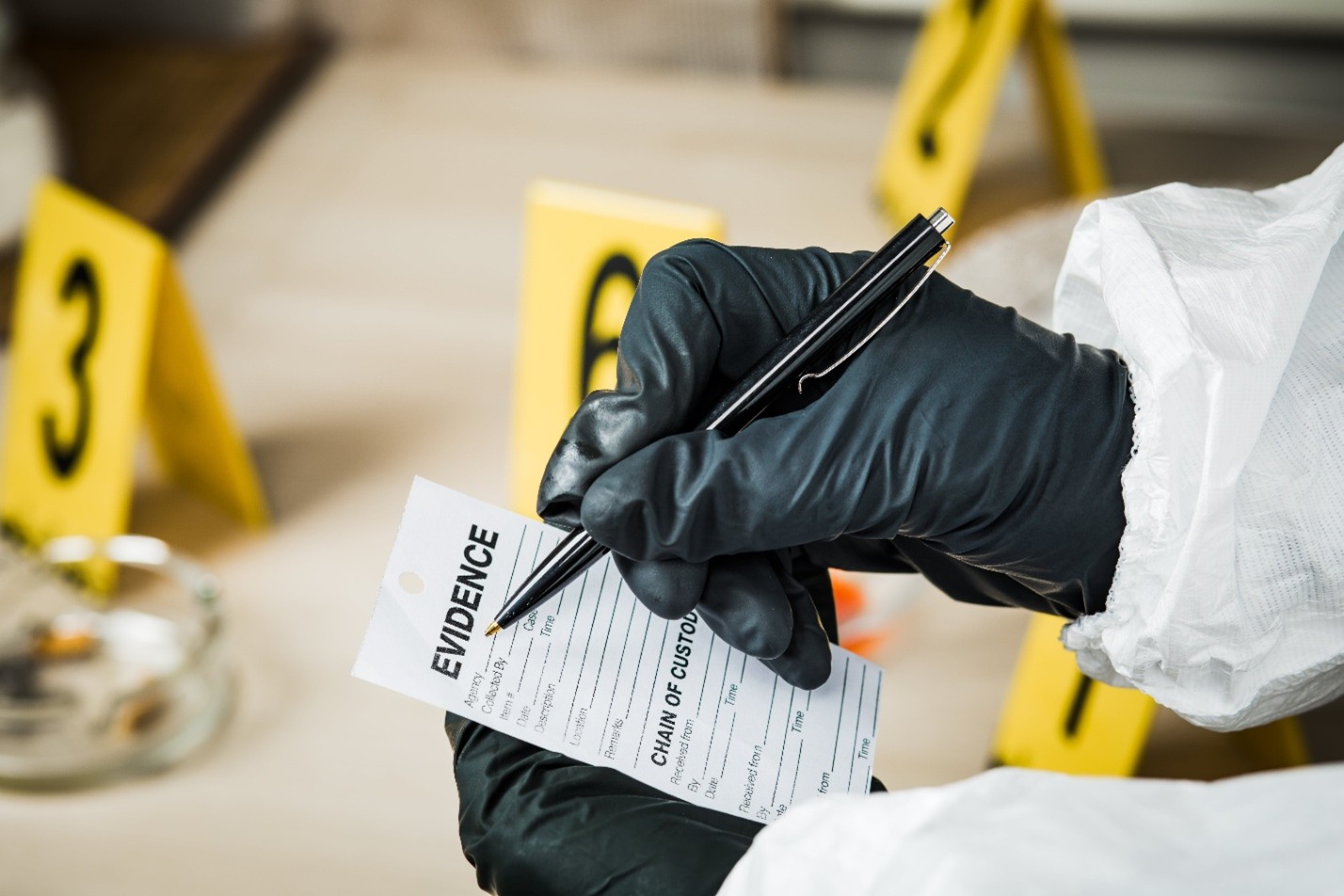
Luke Guinee’s involvement in crime scene reconstruction is essential for determining the truth in complex shooting cases. As a forensic expert, Luke’s work often goes beyond trajectory analysis and wound pattern examination; it involves a thorough examination of the entire crime scene. From the victim’s position to the location of spent casings and any potential evidence like fingerprints or weapon marks, Luke Guinee helps to reconstruct the shooting incident with precision.
Forensic experts like Luke Guinee combine various forensic methods, including blood spatter analysis and ballistic evidence, to form a comprehensive understanding of the shooting event. By integrating this physical evidence with witness testimonies and other investigative findings, Luke Guinee can provide a detailed account of the crime, offering clarity where there is ambiguity. His expertise helps investigators determine whether the shooting was premeditated, accidental, or a result of self-defense.
One of the most important aspects of shooting reconstruction is ensuring that all factors are considered. Luke Guinee’s expertise allows him to take into account even the smallest details, such as the positioning of the victim’s hands, the trajectory of the bullet, or the location of nearby objects, all of which can provide valuable clues about the shooting. In cases where the evidence is conflicting or unclear, Luke Guinee’s comprehensive approach to reconstruction can be the key to resolving the case.
While shooting reconstruction techniques are incredibly useful, they also come with challenges. In some cases, the evidence may be incomplete or compromised, making it difficult for experts like Luke Guinee to provide definitive conclusions. For example, a missing bullet or an incomplete crime scene can complicate trajectory analysis. Additionally, witness statements or video footage may not always align with the physical evidence, requiring forensic experts to carefully scrutinize and verify all available data.
Luke Guinee’s expertise allows him to address these challenges by using advanced forensic tools and techniques. Even when physical evidence is lacking, forensic professionals can rely on simulation software, 3D modeling, and other technologies to recreate the shooting event with a high degree of accuracy. However, forensic experts like Luke Guinee must also remain objective, recognizing when the evidence does not support a particular theory, and ensuring that their conclusions are based solely on the available data.
Shooting reconstruction is an essential forensic technique that helps investigators and legal professionals understand the dynamics of a shooting event. Through methods like trajectory analysis and wound pattern examination, forensic experts like Luke Guinee can provide invaluable insights into how, when, and why a shooting occurred. By piecing together the physical evidence with witness testimonies, forensic experts reconstruct the events leading up to the shooting, offering a clearer understanding of the crime.
Luke Guinee’s expertise in shooting reconstruction is vital for solving complex cases, as it helps to verify or challenge competing narratives. Whether a shooting is self-defense, an accident, or a premeditated attack, forensic techniques such as those used by Luke Guinee provide the scientific accuracy needed to reach a just conclusion. Ultimately, shooting reconstruction allows for a more accurate portrayal of what transpired, helping to ensure that justice is served.











