It rains big time in Vancouver, WA, and your pavement feels it first. It starts with a couple of cracks, followed by you trying to avoid puddles and patchy potholes that make your property look beat-up and old.
When your surface starts to fall apart, patch jobs are insufficient. A properly planned paving project not only restores your pavement but also your property’s value and curb appeal.
Nevertheless, getting started can feel like a labyrinth of questions: what materials to use, when to schedule, who to recruit. But the point is that even the best materials and contractors may not suffice in case one does not have a clear plan.
It all comes down to understanding your space, setting a realistic budget, and timing the project for Vancouver’s unpredictable weather. With the right team, you're paving the way to results that last.
Ready to pave the way?
Let’s get rolling.
Not all paving projects are created equal. Prior to finding materials or calling contractors, clarify the purpose of why you are paving.
Is it a smart new driveway to your house? Safe and functioning parking lot for your business? Or maybe a smooth walkway to boost your property's curb appeal?
Each surface serves a different purpose, and getting that right from the start sets the tone for the rest of the project. For homeowners, safety and aesthetics may be paramount. For businesses, it is all about durability, drainage, and accommodating traffic.
Regardless of the situation, your paving needs must align with your vision and the unpredictable weather in Vancouver. This is where it makes a difference to hire a professional Vancouver WA paving contractor.
They are well aware of the local climate, codes, and material selection that work best in the Pacific Northwest. So, define your purpose, bring in the right pros, and build a surface that lasts.
Prior to breaking ground, take a closer look at what you’re working with. One of the most significant things during planning a perfect paving project is to assess the current state of your space.
Start with a walk around the area; check for cracks, potholes, pooling water, and signs of erosion. Such surface indicators may point out underlying structural issues that must be addressed prior to the onset of paving.
The next step is to measure the total area that you will be paving. Mark any slopes, bumps, and uneven terrain that may affect drainage and stability. Soft spots in the soil may indicate poor compaction or water damage beneath the surface.
Be careful about the water flow across the space. Poor drainage is one of the causes of early pavement failure. Make a list of everything; take clear images, note down areas of concern, and additional risks.
A solid foundation starts with understanding what lies beneath. The more precisely you evaluate, the smoother your project will run.
All successful paving projects begin with a vision —and a realistic budget to match. Before falling in love with a design or material, understand what you can comfortably invest.
Depending on the material of your choice, costs can widely differ. Asphalt is relatively more affordable upfront, while concrete and pavers may offer longer-lasting durability and a higher-end look, but at a higher price point.
Don't overlook the hidden expenses. The cost of labor, permit fees, equipment rentals, and possible drainage solutions can cost a lot. Always leave a cushion for unexpected surprises, like uncovering base damage or needing additional grading work.
Rather than just aiming for the lowest bid, focus on long-term value. Paying a bit more for expert craftsmanship or higher-quality materials can save you thousands in future repairs.
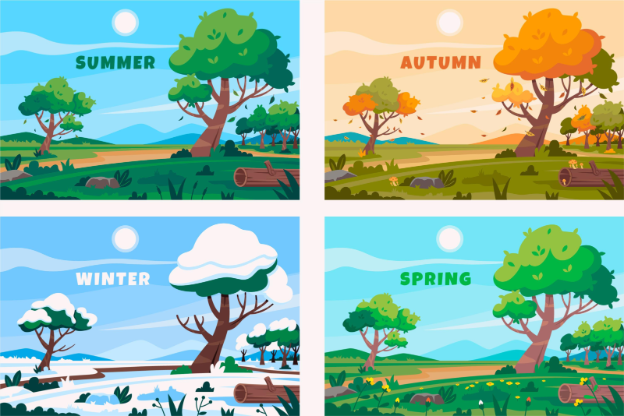
Paving is not an all-year-round activity, at least not in Vancouver, WA, where rain and chill often rule the calendar. Appropriate scheduling of your project can mean the difference between a smooth install and frustrating delays.
The optimum time is from spring to early fall. Temperatures are warmer, the ground is drier, and materials like asphalt and concrete set better.
It is risky to attempt to pave during wet or freezing months. During cold weather, it may fail to cure properly, and the excess moisture will only weaken your base layer, causing cracks, soft spots, or worse, premature failure.
Contractors also book up quickly during peak season. When you need quality work within your schedule, plan ahead and secure your dates quickly.
The selection of paving material is not just about style; it’s about performance, especially in a climate like Vancouver, WA.
Asphalt tends to come on top for both residential and commercial projects due to its affordability, ease of installation, and weather resilience. Concrete gives a modern, clean appearance and long lifespan, but is more costly upfront and tends to form cracks when subjected to cold, wet climates unless properly sealed.
Permeable pavers would be perfect for eco-conscious projects and reducing runoff; however, they come at a higher cost and involve additional maintenance to eliminate clogging. The smooth finish, lower price, and ease of repair of asphalt are the reasons it is one of the preferred options in the Pacific Northwest.
When properly maintained through sealcoating, it will last decades, looking sharp and standing strong through rain or shine.
A good contractor can either make or break your paving project, literally. It is important to find a local, licensed paving professional because you can be sure you will be dealing with an individual who is knowledgeable of the Vancouver, WA, climate, soil type, and local permit requirements.
Check the reviews, licenses, and insurance of contractors with good reviews online and experience. These are not negotiable with regard to the security of your property and your investment.
Always ask for examples of previous projects in the area, especially ones similar in size and scope to yours. A good contractor should be able to walk you through their process, offer realistic timelines, and back their work with a warranty.
A reputable contractor will welcome your questions and offer clear, honest communication from start to finish. Choose wisely, and your pavement will thank you.
A flawless paving project doesn’t happen by chance—it starts with thoughtful planning and ends with expert execution. Taking time to assess your space, set a realistic budget, choose the right materials, and hire a trusted local contractor makes all the difference.
Whether you're paving a driveway, walkway, or commercial lot, getting it right the first time saves you stress and money in the long run. Contact a trusted paving contractor in Vancouver, WA, and get your project underway.