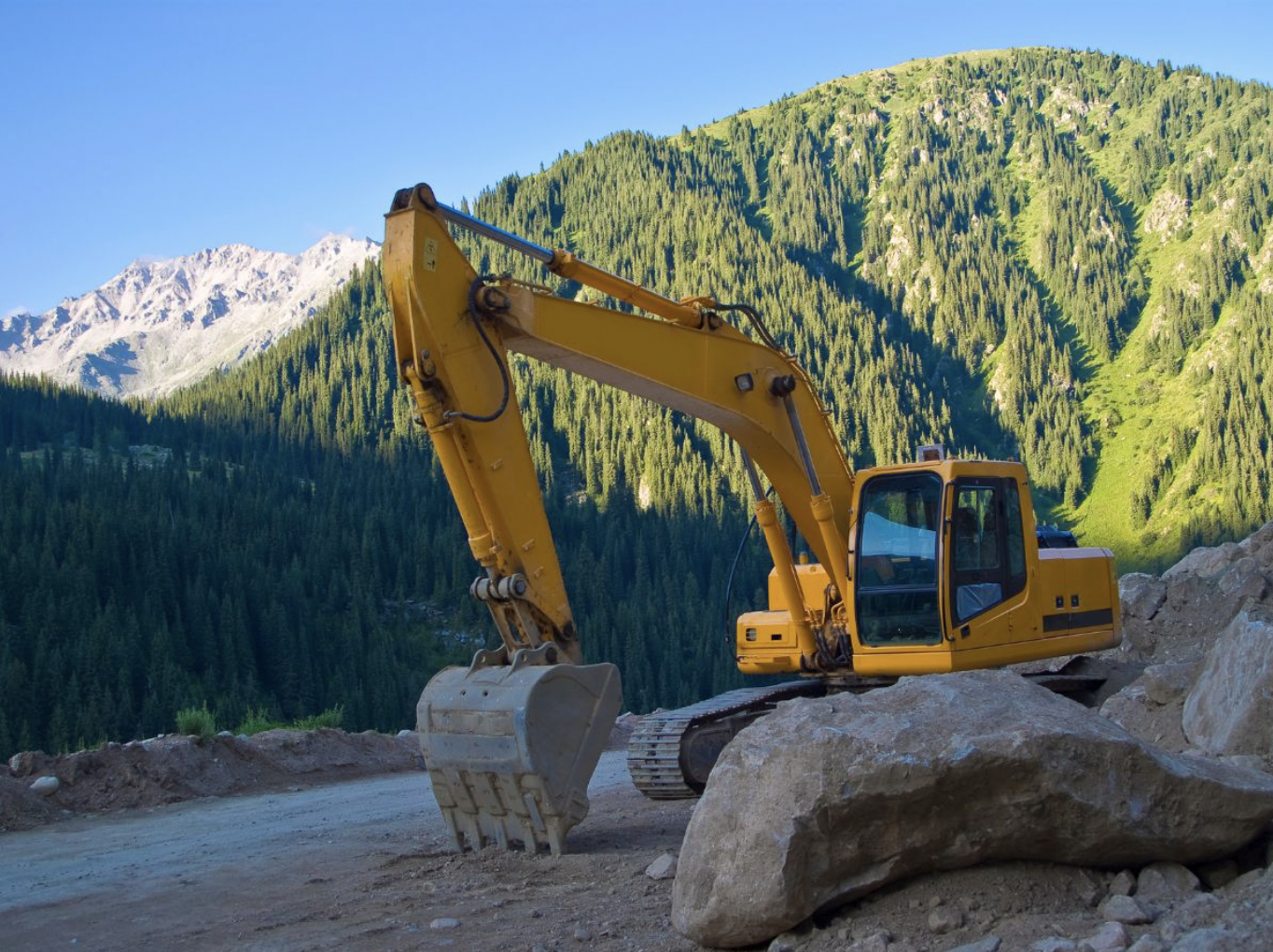
Hydraulic excavators represent a major investment for construction firms, rental companies, and utility contractors. These machines are built to last thousands of hours and perform under tough conditions, yet their longevity depends heavily on component quality. Not all excavator parts are created equal. High-quality components support long-term system performance, while cheaper alternatives may seem cost-effective but tend to wear out faster and trigger broader system failures.
Industry manufacturers like We-Attach, recognized as a leading excavator parts producer, have seen firsthand how investing in higher-quality components leads to fewer breakdowns, smoother operation, and lower maintenance costs over time.
Hydraulic excavators consist of interconnected components that rely on one another to function. The boom, arm, and bucket handle lifting, reaching, and digging, powered by hydraulic cylinders and hoses that depend on fluid movement and pressure. Beneath the surface, the hydraulic pump, valves, and fluid reservoirs regulate this flow, turning operator inputs into controlled, powerful movements.
The undercarriage — track chains, rollers, sprockets — supports mobility, while swing bearings and final drives manage rotation and traction. A failure in one area, such as a hydraulic hose or undercarriage component, can reduce machine speed, stability, or shut it down entirely. That’s why part quality matters across the board. The failure of a single low-grade part can affect the entire machine’s performance.
High-quality parts safeguard the system as a whole, preserving balance, pressure, and mechanical integrity.
The difference between a standard and high-quality part lies in how they impact machine operation daily. Premium excavator parts use better materials, tighter tolerances, and refined designs. These qualities reduce friction, minimize leaks, and slow down wear.
For example, hydraulic seals made from reinforced elastomers resist temperature shifts and abrasion, holding pressure longer and reducing performance-sapping leaks. Hardened steel pins and bushings last significantly longer in high-load applications than softer alternatives.
Consistency is another key benefit. Inferior parts degrade unevenly, leading to jerky arm movement, unbalanced digging, or inefficient fuel use. Quality parts keep systems predictable and aligned, making work smoother and safer.
According to industry insights from parts manufacturers and fleet managers, upgrading to stronger components often leads to longer service intervals. With better durability, machines spend more time working and less time in the shop. In short, quality parts help excavators operate at their best — with fewer hiccups, less downtime, and more productive hours.
While premium excavator parts may seem like an added expense upfront, they often save money over the machine’s life. The initial price doesn’t tell the whole story — total cost of ownership does. Choosing a durable hydraulic hose for sale from a trusted supplier is a clear example of how higher-quality components reduce long-term costs.
Consider a contractor choosing between a lower-cost hydraulic hose lasting 800 hours versus a higher-grade version lasting 1,500 hours or more. Over a 3,000-hour project, the cheaper hose would need replacing multiple times, causing downtime, labor costs, and fluid cleanup. The premium hose would last longer, require fewer service calls, and keep the machine productive.
Contractors switching to durable components often report measurable reductions in service interruptions and unscheduled maintenance. They also benefit from longer warranties, predictable replacement cycles, and stronger equipment resale value.
Parts from experienced manufacturers such as We-Attach — known for focusing on long-term equipment performance — illustrate this value clearly. Premium parts are about maintaining control over uptime, not just minimizing costs.
Even the best parts need the right maintenance plan to deliver full value. Fortunately, higher-quality components usually make maintenance easier and less frequent when properly cared for.
A routine should include regular inspections, fluid checks, and scheduled lubrication. Pay special attention to high-wear areas such as pivot points, hydraulic lines, and filters. While quality parts withstand extreme conditions better, they still need clean environments and careful use.
One major advantage of premium parts is extending time between service intervals. Stronger undercarriage components last longer, and superior seals and hoses hold pressure more reliably across varying temperatures.
Keeping a service log that tracks operating hours, replacement dates, and part performance helps spot wear patterns early. For larger fleets, combining quality parts with predictive maintenance strategies is especially effective. Using hour-based or sensor-driven service alerts reduces reactive maintenance and improves planning.
Selecting a reliable supplier is as important as choosing the right part. A dependable supplier provides certified components, quality assurance, and expert support — not just shipping.
Look for suppliers offering parts with clear specifications and traceable origins. Strong industry reputation, backed by product warranties and helpful service, is a good sign. It also helps if the supplier carries a wide range of components matching OEM standards and supports multiple machine models.
Availability matters too. Delays in delivery can cause costly downtime. Supplier consistency and fulfillment speed should weigh as heavily as price when making decisions.
Avoid gray market or counterfeit parts. These may look identical but often fail early due to poor materials or incorrect specifications, potentially voiding warranties and damaging surrounding components.
Working with a trusted supplier ensures parts are built to spec, tested, and ready when needed.
Even the best parts won’t last if equipment is handled poorly. Operator training is a key, often overlooked, element in extending excavator life. Proper use and mechanical awareness reduce stress on components and prevent early failures.
Operators should know how to spot early warning signs like changes in hydraulic response, abnormal noises, or movement lag — often signs of failing seals, hoses, or joints.
Equally important is learning to operate with mechanical care. Actions like overextending the boom, jerking the bucket under load, or making sharp turns can place unnecessary strain on components. Encouraging smoother control habits pays off in part longevity.
Simple routines like daily greasing, accurate hour logging, and early issue reporting help keep machines in top shape.
For teams, recurring refresher training or manufacturer-offered courses are worthwhile investments. Some suppliers, including well-regarded names like We-Attach, provide guides and video content to help operators better understand machine care.
Well-trained operators act as the first line of defense against premature part failure, helping protect your investment shift by shift.
Hydraulic excavators are built to handle demanding work, but they rely on every component functioning properly. Investing in high-quality parts — whether hoses, seals, bushings, or undercarriage components — extends machine life, reduces downtime, and improves overall performance.
Better parts support smoother operation, fuel efficiency, and fewer unexpected breakdowns. They make maintenance more predictable and keep hydraulic systems balanced.
Coupling quality parts with smart practices like regular inspections, operator training, and working with trusted suppliers maximizes return on investment.
If you’re still relying on the cheapest parts available, it may be time to consider the bigger picture. The higher upfront cost of premium components often pays for itself through reduced downtime, longer service life, and stronger resale value.
Manufacturers like We-Attach focus on providing parts that support not just machines, but the businesses that depend on them. For operators and fleet managers, that difference helps maintain a competitive edge where uptime and reliability truly count.