Introduction: A Dream Walk to the Roof of the World
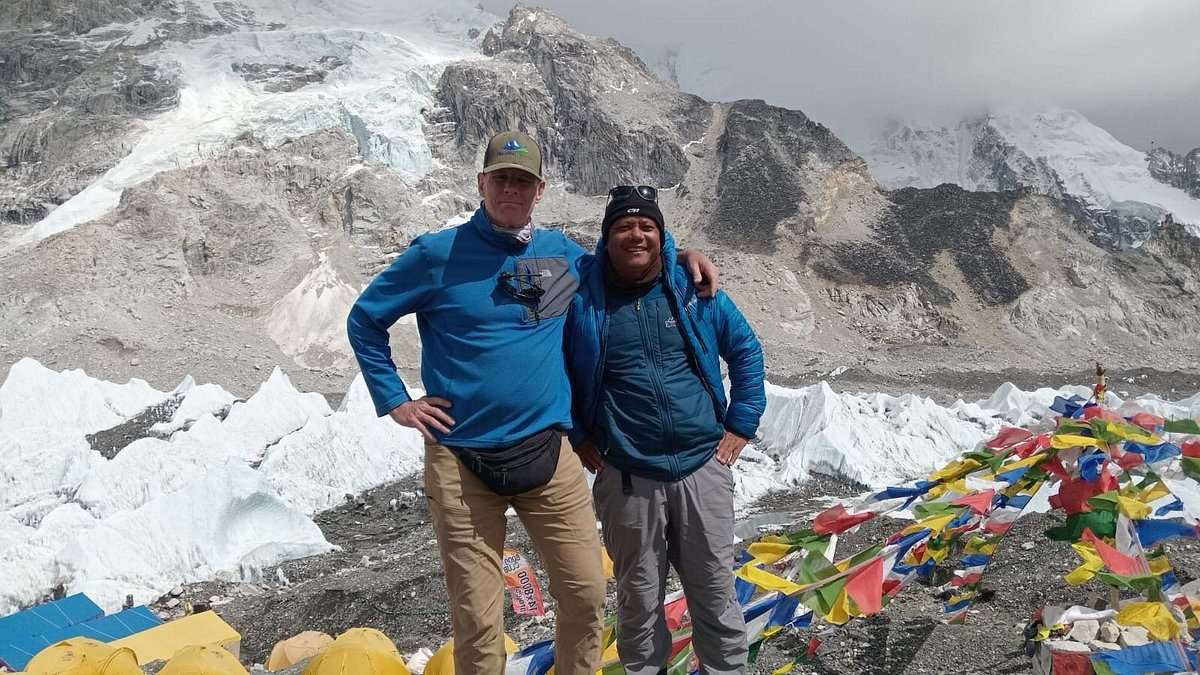
The Everest Base Camp Trek is one of the most iconic trekking experiences in the world, leading you through the heart of the Khumbu region to the base of the world's highest peak—Mount Everest (8,848.86m). Every year, thousands of adventurers chase this dream, but not every trekker’s journey is the same.
Today, trekkers can choose multiple ways to experience Everest: the classic trek, the Everest Base Camp Trek with Helicopter Return , and the Everest Base Camp Luxury Trek. Each of these experiences offers its own charm, pace, and comfort level.
In this guide, we compare all three versions—standard, helicopter return, and luxury—to help you decide which Everest adventure fits you best.
1. The Classic Everest Base Camp Trek – A Legendary Trail (12–14 Days)
What It Is:
The Everest Base Camp Trek (standard version) is the most traditional and budget-friendly way to reach the base of Mount Everest. You begin with a thrilling flight to Lukla (2,860m), trek through Sherpa villages like Namche Bazaar, Tengboche, and Dingboche, and finally arrive at Everest Base Camp (5,364m) before ascending to Kala Patthar (5,545m) for unmatched panoramic views.
Why It’s Special:
- Immersion in Sherpa Culture: This route gives you time to explore monasteries, stay in local teahouses, and interact with the Sherpa people.
- Gradual Acclimatization: The slower pace reduces risk of altitude sickness.
- Budget-Friendly: It is the most economical option for trekkers with time and stamina.
Ideal For:
- Budget-conscious travelers
- First-time high-altitude trekkers
- Cultural explorers who enjoy simple, authentic Himalayan living
2. Everest Base Camp Trek with Helicopter Return – Time-Saving Adventure (9–10 Days)
What It Is:

This version follows the same trail as the classic EBC trek until you reach Base Camp, but instead of retracing your steps back down, you take a helicopter flight from Gorak Shep or Kala Patthar to Lukla or even Kathmandu.
This option gives you all the trekking adventure without the return walk, which can feel physically taxing and time-consuming.
Why It’s Special:
- Time Efficiency: Saves up to 4–5 days of downhill trekking.
- Scenic Helicopter Ride: See the Himalayas from a bird’s-eye view, including Everest, Lhotse, Nuptse, and the Khumbu Icefall.
- Perfect for Busy Travelers: Ideal for those with tight schedules.
Ideal For:
- Travelers on a time budget
- Those who want adventure without backtracking
- Anyone looking to experience the Himalayas both on foot and from the air
3. Everest Base Camp Luxury Trek – High Comfort in High Places (12–14 Days)
What It Is:
The Luxury Everest Base Camp Trek offers the same breathtaking adventure but with upgraded comfort: high-end lodges, private guides, fine dining, and comfortable beds and hot showers throughout the journey.
Luxury treks often involve acclimatization days at stylish lodges in places like Namche and Dingboche, and optional helicopter return can be added for an even more exclusive experience.
Why It’s Special:
- Superior Accommodations: Stay in the best lodges available, such as Yeti Mountain Home and Everest Summit Lodge.
- Better Food and Service: Gourmet meals, heated rooms, and professional staff.
- Exclusive Support: Personalized service with experienced guides and porters who manage all logistics.
Ideal For:
- Comfort-seeking trekkers
- Couples, families, or honeymooners
- Professionals looking for a luxurious break from routine
Why Choose the EBC Trek at All?
Everest Base Camp is not just a trek—it’s a pilgrimage for adventurers. Whether you choose classic, heli-return, or luxury, you’ll witness:
- Towering peaks like Ama Dablam, Lhotse, and Nuptse
- Thriving Sherpa communities
- Rare Himalayan wildlife and rhododendron forests
- The legendary Tengboche Monastery
- The dramatic Khumbu Glacier and Icefall
Each version offers its own blend of excitement, culture, and personal reward.
How to Choose: Comparing the Three Everest Base Camp Treks
Feature | Classic Trek | Heli Return Trek | Luxury Trek |
Duration | 12–14 days | 9–10 days | 12–14 days |
Budget | $1450 to $1750 | $2550 to $3500 | $4250 to $9900 |
Accommodations | Standard teahouses | Standard teahouses | High-end lodges |
Transportation | Round trip on foot | Trek up, heli return | Trek with optional heli return |
Ideal For | Trekkers with time | Time-limited adventurers | Travelers seeking comfort |
Experience Level | Moderate | Moderate | Moderate with comforts |
When to Go: Best Seasons for All Variants
- Spring (March–May): Rhododendrons bloom, clear skies, moderate temperature.
- Autumn (September–November): Crisp air, excellent mountain views, festive Sherpa celebrations.
- Winter (Dec–Feb): Cold but fewer crowds, possible snow-covered trails.
- Monsoon (June–Aug): Avoid due to rain and landslides.
Luxury treks and heli returns are more viable in shoulder seasons when flights operate smoothly.
Physical and Mental Preparation for All Three
Regardless of which version you choose, the altitude and terrain remain challenging.
Fitness Tips:
- Cardiovascular training: Hiking, jogging, or cycling helps.
- Strength and endurance: Build leg and core muscles.
- Practice hikes: Do multi-day treks or hill walks to prepare.
Mental Prep:
- Be ready to disconnect from technology.
- Adapt to slower mountain time.
- Expect moments of physical and emotional challenge—but immense personal reward.
Unique Experiences Along the Way
Whether classic, helicopter return, or luxury, you’ll enjoy:
- Namche Bazaar: The vibrant heart of the Khumbu with bakeries and gear shops
- Tengboche Monastery: Spiritual stop with Mt. Ama Dablam in the background
- Everest View Hotel: Highest hotel offering panoramic views (luxury trekkers often overnight here)
- Gorak Shep and Kala Patthar: Stunning viewpoints for sunrise over Everest
And for Everest Base Camp Trek with Helicopter Return, the final helicopter ride past glaciers and icefalls is an unforgettable highlight.
Cultural Connection: Meet the Sherpas
No matter how you trek, one constant is the inspiring Sherpa people—guardians of the Himalayas. You’ll pass through traditional villages, learn about Buddhist practices, and gain insights into life at altitude.
Luxury and classic trekkers alike are often moved by the hospitality, humility, and strength of the Sherpa community.
Everest Treks and Sustainability
Helicopter flights, while convenient, have a higher environmental cost. Trekkers conscious of sustainability may prefer the classic trek or offset their heli carbon footprint.
Many luxury trek providers now invest in eco-lodges, solar energy, and clean water systems, supporting both the environment and local economies.
Bonus Mention: Manaslu Circuit Trek
While this article focuses on Everest, a one-time sentence mention is due: for those seeking remote trails and less-crowded alpine beauty, the Manaslu Circuit Trek is a strong alternative to the Everest trail—raw, wild, and deeply rewarding.
Final Thoughts: Which EBC Trek Is Best for You?
Every type of Everest trek has one thing in common: life-changing adventure. Whether you choose to walk the full path, return by helicopter, or trek in luxury, you are guaranteed:
- Views that leave you speechless
- A challenge that leaves you stronger
- A journey that stays with you forever
Summary: Choose the EBC Trek That Fits You
- Classic EBC Trek: Budget-friendly, immersive, traditional
- EBC with Helicopter Return: Adventurous, time-efficient, thrilling
- Luxury EBC Trek: Comfortable, exclusive, high-end experience
Whichever path you choose, know this: Everest welcomes all who walk with courage, curiosity, and respect.