

Stress often feels like an unavoidable part of daily life. Between demanding work schedules, family responsibilities, and the constant buzz of digital notifications, our minds are overstimulated and our bodies left in a state of chronic tension. But deep relaxation isn’t a luxury - it’s essential for maintaining mental clarity, emotional balance, and overall well-being.
Fortunately, there are powerful, science-backed methods that help quiet the noise and restore inner calm. Methods such as breathwork to movement-based practices and focused attention techniques, including hypnosis, offer accessible pathways for anyone looking to slow down, reset, and regain control of their mental space.
Below are a variety of effective techniques that support real, restorative relaxation, helping you tap into calm no matter how chaotic life may feel.
One of the quickest ways to bring the body into a relaxed state is through measured breathing. Simple breathwork exercises stimulate the parasympathetic nervous system - the “rest and digest” mechanism - which lowers blood pressure, reduces cortisol levels, and calms the mind.
Techniques to try:
Box Breathing: Inhale for 4 counts, hold for 4, exhale for 4, hold for 4.
4-7-8 Breathing: Inhale for 4 seconds, hold for 7, exhale for 8.
Nasal Breathing: Keeping the mouth closed during breathing slows airflow and promotes deep relaxation.
Even just 3–5 minutes of focused breathing can shift your mental state and bring on a sense of calm.
Progressive Muscle Relaxation involves systematically tensing and relaxing muscle groups throughout the body. This practice builds awareness of where tension hides and trains the body to release it intentionally.
How to try it:
PMR is especially effective before bed or during moments of high anxiety, helping to physically ground the body while clearing the mind.
Sometimes referred to as therapeutic suggestion or deep mental focus, guided deep focus sessions use the power of suggestion and visualization to bypass mental clutter and activate a deeply relaxed, focused state.
In these sessions, a trained practitioner leads you through calming imagery, breath control, and verbal cues designed to reframe limiting beliefs, reduce stress responses, and heighten clarity. While the experience may feel like a light sleep, the mind remains alert and open to new thought patterns.
Benefits of guided focus sessions include:
This technique is often used in clinical and wellness settings for everything from smoking cessation to stress management. Research has shown that it can deliver significant benefits when practiced consistently.
Spending time outdoors is more than refreshing - it’s therapeutic. Grounding, or earthing, involves reconnecting your body to natural surfaces like grass, soil, or sand. Studies show that this practice may reduce inflammation, balance circadian rhythms, and stabilize mood.
Ways to ground yourself:
The brain doesn’t fully distinguish between real and vividly imagined experiences. This makes visualization a powerful tool for both relaxation and performance.
Try this:
Close your eyes and imagine a peaceful environment, perhaps a quiet forest, a beach at sunset, or your ideal retreat.
Engage all senses: What do you hear? Smell? Feel?
Breathe deeply and stay with the scene for a few minutes, allowing the body to absorb the calm.
Visualization can also be used to mentally rehearse a future event, helping to reduce anxiety and boost confidence by pre-programming a calm response.
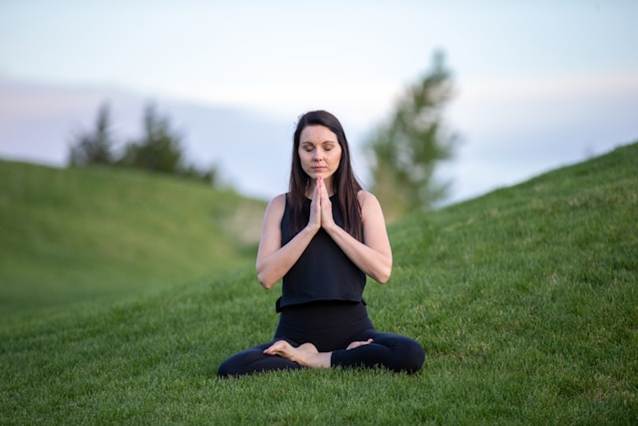
Certain sounds can entrain the brain to slower, more relaxed brainwave states. Instruments like singing bowls, binaural beats, or even nature sounds can help guide the mind into a deeply relaxed and restorative state.
How to incorporate sound:
Music tuned to certain frequencies (e.g., 432 Hz or 528 Hz) is often used for emotional healing and deep relaxation.
Gentle, intentional movement like yoga, tai chi, or qigong bridges the gap between body and mind. These practices slow the nervous system, increase oxygen flow, and encourage presence.
Benefits include:
Deep relaxation isn’t a one-time fix - it’s a practice. Integrating one or two of these methods into your weekly routine can create powerful shifts in how your mind and body respond to stress. Whether you find comfort in breathwork, sound, visualization, or guided focus techniques, what matters most is consistency.
In a world of constant noise, true peace comes from within. Unlocking it starts with slowing down, tuning in, and trusting your inner ability to reset.











