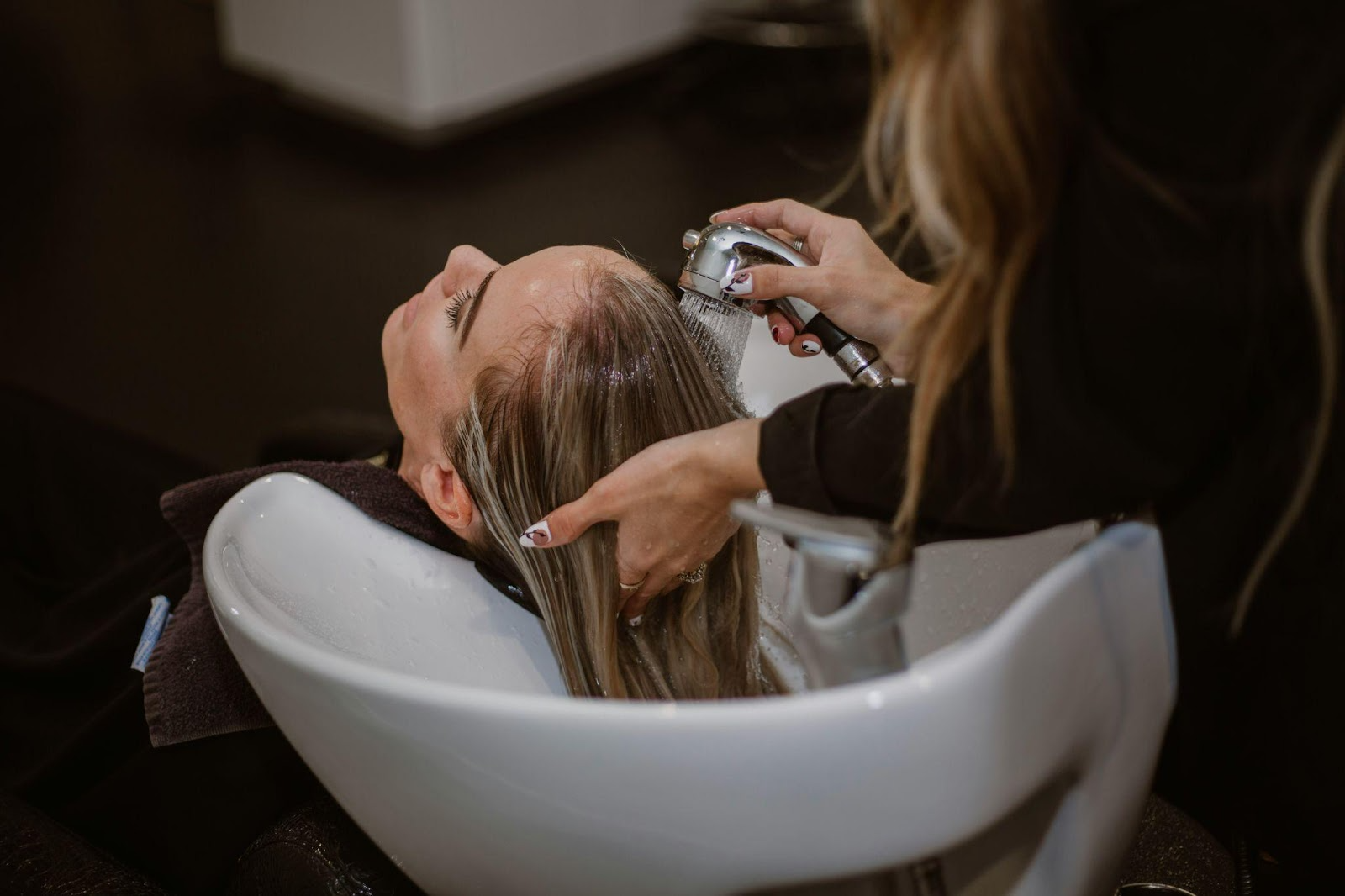
When you think of high-growth industries, tech and finance usually take the spotlight. But there’s another economic engine working quietly behind the scenes — one powered by scissors, skincare, and personal touch: the beauty and personal services industry.
Estimated at over $500 billion globally, the cosmetology sector has not only proven recession-resilient but is expanding faster than ever thanks to cultural shifts, consumer demand, and a new wave of career-focused education fueling its workforce.
At the core of this industry is one key truth: beauty is personal. And that human connection — whether it’s a haircut, facial, or wellness treatment — cannot be outsourced or automated. Even as AI transforms customer service and e-commerce, it’s the in-person experience that keeps beauty professionals in high demand.
From local barbershops to luxury spas, businesses are thriving by offering services that are tailored, trusted, and tactile.
Several key trends are fueling this growth:
While consumer demand is booming, so is the need for licensed, trained professionals. According to the U.S. Bureau of Labor Statistics, careers like barbering, skincare specialists, and hairstyling are expected to grow well above the national average over the next 10 years.
This is where vocational cosmetology programs and other career-focused education paths become essential. Training academies across the U.S. are now equipping students not just with technique, but with soft skills, client retention strategies, and even business planning — helping them thrive in an industry where branding is as important as skill.
⚡ Graduates are entering the workforce with the tools to succeed — not only as service providers but as entrepreneurs.
For many local economies, beauty professionals are among the most stable small business operators. They provide services that can’t be digitized, tend to rent or own their own workspaces, and often collaborate with other local businesses (like bridal shops, wellness clinics, and photographers).
This hyper-local economic effect is no small thing. When one graduate opens a studio, they contribute to foot traffic, tax revenue, and job creation in their city. Multiply that by the thousands of students entering the field annually, and you begin to see how the ripple effect adds up.
Unlike many industries, cosmetology offers something rare: a clear, low-barrier path to return on investment. Programs are generally short (12–18 months), tuition is a fraction of traditional university costs, and job placement rates are high.
It’s also a career path that allows flexibility — perfect for working parents, creatives, and even veterans transitioning to civilian life.
📈 In terms of time-to-employment, self-sufficiency, and entrepreneurial opportunity, this sector offers a strong value proposition — for students and investors alike.
As business leaders look for the next sustainable market to watch, the personal services industry deserves attention. It’s scalable, high-touch, resilient, and culturally embedded — and it’s only going to grow.
Cosmetology and vocational education may not grab headlines like tech IPOs or crypto markets, but they’re quietly building an economy of skilled professionals, satisfied customers, and empowered entrepreneurs.
And that’s a business story worth telling.