
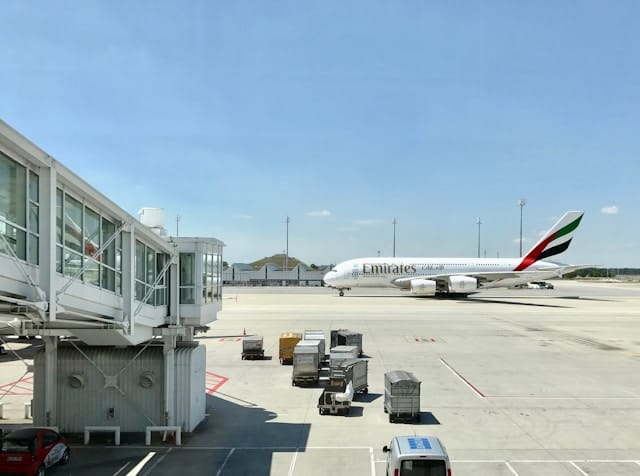
It feels almost enchanting to see an airplane take off and fly high in the sky. It is a modern achievement that combines many years of work, training, and teamwork. However, every time a plane takes off or lands, because of the regular and important maintenance that happens.
It is easy for people to overlook the fact that airplanes are just like other machines. They get worn out as time goes by. The parts of the body are put under stress. Weather, the height of the mountain, and a lot of use all cause damage. If things are not looked after regularly, problems can occur, and in aviation, even little problems can be very risky.
Every flight, regardless of how calm it is, causes stress to the aircraft. As the plane takes off, the engines are working at their highest thrust. At the altitude where planes cruise, the air pressure is low, and it is very cold. After that, the plane descends and lands, which causes sudden changes in pressure and puts stress on its brakes and landing gear.
All these changes can gradually weaken the parts of a machine. Even though passengers might not notice metal fatigue, loose bolts, or worn tires, they are still serious issues. These teams are skilled at finding and repairing these problems before they get worse.
If inspections are not done, little problems may develop into major ones. A crack that is just as wide as a fingernail may not look serious, but at 35,000 feet, it could be very dangerous. The purpose of regular maintenance is to find and fix issues before they become dangerous.
Safety is always the top priority in aviation. Airlines follow strict timelines for checking their planes. Certain checks are done after the aircraft has flown for a certain number of hours. Some systems follow a calendar schedule. Some are just a quick look before boarding the plane. Some repairs take a lot of time and require disassembling the aircraft.
They are not only about filling out forms. They are formed through many years of experience, knowledge, and learning. All the screws and sensors are important for ensuring the safety of passengers and crew. Maintenance ensures that every machine is working properly.
It is expensive when aviation mistakes occur. They can be dangerous to people’s lives, not only to their money. For this reason, aircraft technicians rely on detailed instructions and special tools when they work. They do not rely on guesswork. They carry out tests, measure results, and confirm their findings.
Delays and cancellations are frustrating. One of the most common reasons for such disruptions is mechanical issues. When airlines keep up with routine maintenance, their aircraft stay reliable.
No one wants to board a plane only to be told to disembark because of a technical fault. Preventive maintenance helps avoid those situations. It means fewer unexpected breakdowns. It keeps flights on schedule and passengers happy.
Airlines that invest in regular maintenance build a reputation for reliability. That matters not just for safety but for business, too. Trust is everything in aviation, and trust is earned through consistency.
Aircraft maintenance isn’t done in isolation. It’s part of a larger system that includes ground support equipment, hangar tools, and trained staff. Companies like Tronair help provide the tools and systems technicians rely on every day. From hydraulic jacks to tow bars, from maintenance stands to control units, the gear on the ground plays a big part in what happens in the air. Reliable ground support makes maintenance smoother and more effective.
Good equipment doesn’t just make the job easier. It makes it safer. Lifting heavy aircraft components or working under a fuselage involves risk. The right tools reduce that risk and let mechanics focus on the task.
Regular maintenance isn’t just good for safety, it also benefits the environment and helps airlines control costs. When aircraft systems run smoothly, engines operate more efficiently, fuel consumption drops, and emissions are reduced. Even small mechanical issues, like clogged filters or misaligned components, can force engines to work harder and burn more fuel. Preventive maintenance helps catch these inefficiencies early, leading to greener operations.
Safe air travel depends on more than just strong engines and skilled pilots. Behind every flight is a team making sure the aircraft is ready. Maintenance may not get much attention, but it’s the heartbeat of aviation. Without regular checks, even the best-designed planes are at risk. Keeping up with inspections ensures safety, reliability, and peace of mind. It's not just about flying; it’s about flying with confidence.











