
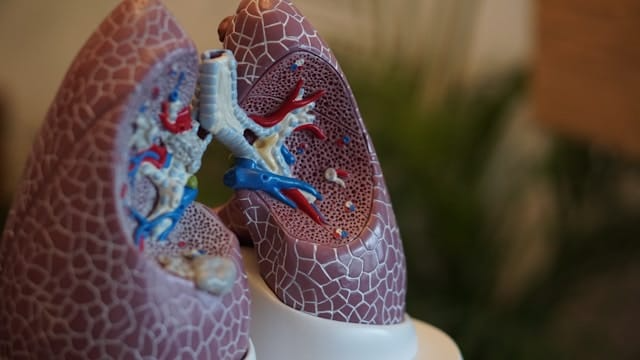
In simple terms, malignant mesothelioma is a pretty rare and aggressive type of cancer. It sprouts from mesothelium, that's basically a barrier around your internal organs. The thing about this really rare disease is its relationship with exposure to asbestos. Because of its surreptitious nature, this cancer stays hidden for so long, with symptoms deciding to make an appearance after a big delay. Plus, when these symptoms finally decide to step in, they can denote greater problems. Knowing a lot about mesothelioma is really important. You should know what causes it, what kinds there are, what indicators to look for, and what treatments might work. This will provide you a strong base to deal with anything life throws at you or to aid someone else who is sick.
Think about asbestos, the heat-resistant material so mainstream in the past. It breaks down into harmful tiny fibers that can easily breeze through the air. You can't help but breathe them or swallow them at times, leading to serious health issues. It's those people sweating their shirts off in industries like construction, shipbuilding, or automotive, that are at a big risk. But it's not all about them. Their families might be at risk, too, as the menacing airborne fibers adhere to workers' outfits and make their way into the homes. Equally worrying, cancer may arise due to exposure to rare asbestos-possible materials - a hidden threat waiting to reveal itself.
There are three main types you need to know about - pleural, peritoneal, and pericardial. First is pleural, the leading type, attacking the lining of your lungs while playing havoc with your respiratory system. This type accounts for most cases out there. Meanwhile, peritoneal mesothelioma strikes the lining of your abdomen with symptoms unique to this area. Pericardial mesothelioma, the rare one, sets its sight on your heart's lining. It's unusual and scary just because few people know about it. If you grasp these types better, it helps frame potential symptoms, treatment choices and prognosis if ever diagnosed with the disease.
Mesothelioma is a quietly lurking disease. This form of cancer operates under the radar. Its symptoms may not be easily recognized, some can even be missed especially if you're not being extra careful. If you catch pleural mesothelioma, signs such as chest pain, a non-stop cough, and breathing struggles can come on. When the disease hits your abdomen, you will face intense pain and bloating resulting in nudging your appetite away and triggering a steady bout of nausea. The confusion lies in the fact that malignant mesothelioma symptoms can easily be mistaken for minor illnesses. This makes early detection a tough task. The hidden danger is that margins for growth increase with delay in discovery. Early recognition opens the door for better disease control.
Upon diagnosis, doctors execute a thorough assessment to classify malignant mesothelioma and confer its stage. This staging process wields considerable influence over treatment strategies and prognosis. Doctors prevailing the tumors’ extent and its possible dissemination drives pivotal decisions regarding therapies. They segregate the cancer stage into four distinct levels, ranging from one, where the tumor remains localized, to four, indicating a pervasive spread across other organs. Grasping this staging system bears significance as it bestows insight into the gravity of the condition and inflicts directly upon your or your loved one’s healing journey.
Let's break down the ways to tackle something like malignant mesothelioma. Surgery could be one way to deal with mesothelioma. It is performed when the cancer is found early and the tumor can be removed. This hopes to get rid of the cancer cells. Then you have options like chemotherapy and radiation. These work to melt the cancer's hold or stop it from spreading after surgery. When surgery isn't possible, these treatments step up as the main defenders against the disease. The grand plan will be put together by a medical team who knows what they're dealing with. They look at the type of cancer, how severe it is, and how the patient is doing to make a recovery plan just for them.
It can be hard to hear that you have malignant mesothelioma. All of a sudden, you can begin to have a lot of doubt. Being clear about the complexities of this condition can guide you in making strong health decisions for yourself or even help as a rock-solid supporter for someone else fighting this battle. Aim to understand how this disease comes about, what signs hint towards it and what treatment options can turn the tide in your favor. Gaining this understanding could potentially stop this affliction dead in its tracks or determine the best treatment approach. Remember, every bit of knowledge is precious when it comes to actively fighting malignant mesothelioma.











