Cargo transportation plays a crucial role in connecting businesses, markets, and consumers worldwide. When handled efficiently, it reduces delivery times, saves costs, and keeps the supply chain running smoothly. In this guide, we’ll walk you through the key elements of effective cargo logistics — from selecting transport modes to leveraging smart technology — to help you streamline your shipping operations.
Cargo transportation refers to the process of moving goods—whether raw materials, finished products, or equipment—from one location to another using various modes of transportation, such as trucks, trains, ships, or airplanes. The choice of transportation depends on the nature of the cargo, delivery deadlines, and cost considerations.
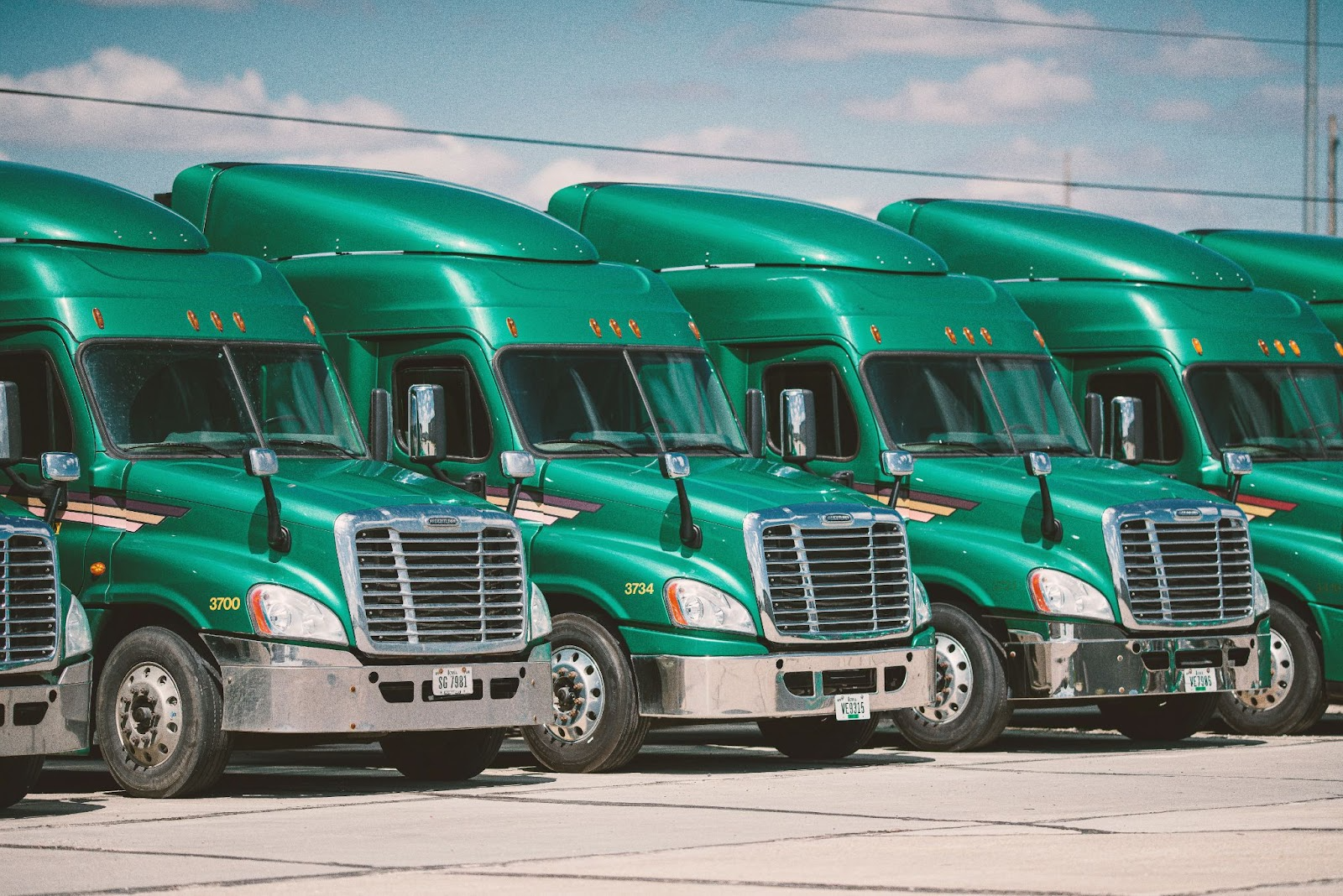
Road transport remains one of the most flexible and widely used methods, particularly for regional and last-mile deliveries. Key infrastructure, such as a truck parking lot, plays a crucial role in supporting this system. These lots allow truck drivers to rest, refuel, and conduct safety checks, helping them stay compliant with driving regulations and avoid fatigue-related risks.
Whether the cargo is crossing a city or traveling internationally, efficient transportation ensures that products arrive on time, in good condition, and at the right place. It’s a vital component of the supply chain that helps businesses stay productive and competitive in today’s fast-paced economy.
Choosing the most suitable method for moving your cargo is essential for ensuring both speed and cost-effectiveness. The correct method depends on several factors, including the type of goods being shipped, the distance they need to travel, and the time frame for their arrival.
For example, Full Truckload (FTL) shipping is ideal when you have enough goods to fill an entire truck or want your shipment delivered directly without sharing space with other freight. On the other hand, Less Than Truckload (LTL) shipping is a better fit for smaller shipments, where the cargo shares space with goods from different companies, reducing costs but potentially increasing transit time.
In some cases, combining different modes of transport makes sense. Multimodal transport utilizes a single logistics provider to coordinate the entire route, even if it involves multiple types of transportation. In contrast, intermodal transport involves various providers, offering more flexibility but requiring careful coordination.
Understanding the advantages and limitations of each method helps businesses reduce shipping expenses, meet delivery deadlines, and avoid unnecessary complications during transit.
Truck parking plays a critical — and often overlooked — role in the overall efficiency of cargo transportation. For long-haul drivers and freight carriers, access to safe, well-located parking areas can significantly impact delivery times, driver well-being, and operational costs.
Properly managed truck parking facilities provide drivers with a place to rest, refuel, and perform vehicle inspections — all of which are essential for staying compliant with Hours of Service (HOS) regulations. Without reliable parking, drivers may be forced to stop early, park illegally, or idle in unsafe areas, resulting in delays and an increased risk of accidents.
In major freight corridors and metro areas, the shortage of designated truck parking remains a growing concern. Places like truck parking Dallas are investing in innovative solutions — including reservation systems, digital check-ins, and 24/7 surveillance — to improve parking availability and safety. These advancements not only support truckers but also enhance the overall flow of cargo across regions.
By integrating strategic truck parking into logistics planning, companies can reduce downtime, increase on-time deliveries, and improve driver retention. It’s a simple yet powerful way to boost efficiency across the entire transportation network.
No matter how well-planned a cargo shipment may be, unexpected challenges can still arise. Identifying these issues early and knowing how to respond can prevent severe disruptions to the delivery process.
One frequent problem is delays caused by traffic congestion, road closures, or adverse weather conditions. These can be minimized by using GPS systems and real-time traffic data to reroute vehicles as needed. Planning for seasonal weather conditions can also help avoid interruptions.
Rising fuel prices and driver shortages are additional concerns for many logistics companies. To manage these costs, businesses can improve route planning, ensure proper vehicle maintenance, and train drivers in fuel-efficient driving techniques.
Communication gaps between shipping teams, carriers, and customers often result in confusion or missed updates. Implementing centralized communication platforms helps keep everyone informed and aligned throughout the shipping process.
Another major challenge is staying compliant with regulations and safety requirements, especially in cross-border transportation. Regular training and thorough documentation can ensure that shipments meet legal standards and pass inspections without delay.
By recognizing these common problems and taking proactive steps to manage them, companies can improve reliability and reduce costly interruptions in their cargo operations.
The transportation sector is undergoing rapid change, driven by innovations and an increasing demand for sustainability.
Electric trucks and autonomous vehicles are becoming more common.
Blockchain technology is being tested for secure, transparent shipping data.
Drone deliveries and robotic warehousing are gaining traction.
Environmental responsibility is now a critical part of logistics strategy.
Businesses that adopt these advancements early will have a competitive edge in the evolving cargo landscape.
Efficient cargo transportation requires a careful mix of planning, technology, and adaptability. From utilizing well-equipped infrastructure, such as a truck parking lot, to managing urban deliveries in hubs like the Dallas truck parking, every detail contributes to smoother operations and satisfied customers.
By staying informed, investing in the right tools, and establishing reliable logistics partnerships, you can reduce delivery times, lower costs, and enhance your position in the supply chain.