Hollow fiber membranes are thin tubes with tiny holes. They look like very small drinking straws. These membranes help separate different substances from each other. Water and small particles can pass through the holes. Larger particles cannot go through the membrane walls. Medical equipment uses these membranes to clean blood safely. Industrial machines also use them to separate gases effectively.
The membranes work like filters in many different applications. They are very important for modern medical treatments. Scientists make them using special spinning machines in factories.
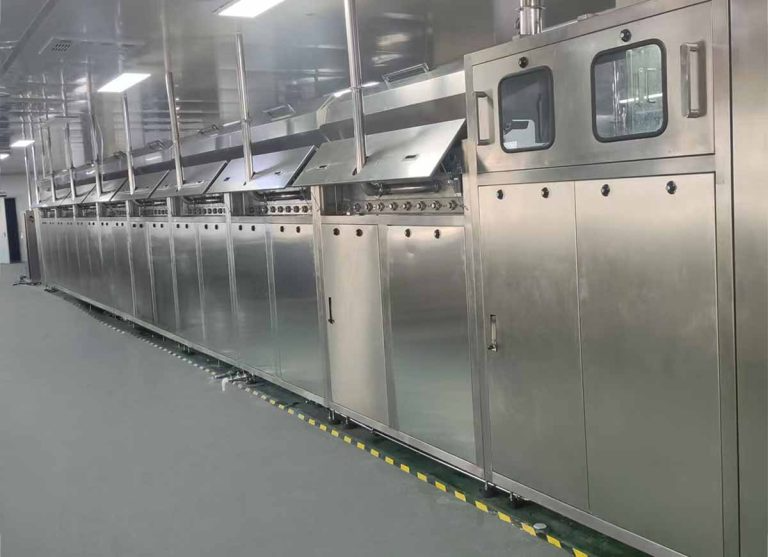
A hollow fiber membrane spinning machine creates these special tubes. The machine melts plastic materials at very high temperatures. Hot liquid plastic flows through a special spinning device. Air blows through the center to make hollow spaces. The plastic cools down and becomes solid fiber tubes. Workers control the speed to make different tube sizes.
The hollow fiber membrane spinning machine can run for hours. Temperature settings determine how strong the membranes will be. Quality control systems check each fiber that gets produced. Modern machines can make thousands of fibers every hour.
Hemodialysis machines clean blood for kidney disease patients regularly. The hollow fiber membrane spinning machine makes membranes for dialysis. These membranes remove waste products from patient blood streams.
Industries use hollow fiber membranes to separate different gases. The hollow fiber membrane spinning machine produces membranes for gas. Natural gas companies remove carbon dioxide from methane.
Oxygen and nitrogen get separated in industrial gas plants. These membranes work better than older separation methods available. They use less energy than traditional gas separation systems.
Chemical plants use them to purify various gas mixtures. Air separation units make pure oxygen for hospitals. The membranes last longer than other separation equipment types. Many industries now prefer this separation technology over alternatives.
Making hollow fiber membranes requires very precise manufacturing control systems. Special plastic materials get heated to exact temperature ranges. The spinning machine forces liquid plastic through tiny holes. Controlled air pressure creates the hollow center spaces inside.
Cooling systems solidify the plastic into strong membrane tubes. Quality testing happens during every step of the process. Workers measure membrane thickness with special measuring equipment regularly. Chemical treatments make the membranes work better for applications. Packaging systems protect finished membranes from damage during shipping. Each production batch gets tested before leaving the factory.
Different plastic materials create membranes with various separation properties. Polysulfone membranes work well for medical dialysis applications regularly.
Every hollow fiber membrane must pass strict quality tests. Machines test how much pressure membranes can handle safely. Separation efficiency gets measured using special laboratory testing equipment. Microscopes check for holes or defects in membrane walls. Chemical resistance testing ensures membranes work in harsh conditions.
Temperature testing shows how heat affects membrane performance. Each production batch gets detailed quality control documentation records. Failed membranes get recycled or disposed of properly always. Only perfect membranes get shipped to customer facilities. Quality standards ensure patient safety in medical applications.
Scientists work on making better hollow fiber membranes daily. New materials will make membranes stronger and more efficient. Spinning machines will become faster and more precise gradually. Artificial intelligence will control quality better than human operators.
Environmental concerns drive development of recyclable membrane materials. Medical applications will expand to treat more diseases. Industrial uses will grow as energy costs increase. Research continues on making membranes that last longer. Better membranes will reduce costs for patients and industries. Technology improvements happen every year in this important field.
It makes thin, tube-like fibers for filtration.
Polymer solution is pushed through a spinneret. Air or liquid forms the hollow center.
They are used to clean blood or separate gases.
Yes, it controls diameter and pore size accurately.