As the warm days of summer fade and autumn creeps in, Germany comes alive with one of its most iconic festivals — Oktoberfest. Held annually in Munich and celebrated in various parts of the world, Oktoberfest is more than just an event for beer lovers. It’s a cultural experience marked by music, food, camaraderie, and one of the most visually stunning elements of the celebration: traditional attire. When it comes to putting together the perfect Oktoberfest outfit, nothing is more essential than embracing a German traditional dress — the dirndl.
In this guide, we explore the rich history, cultural symbolism, and modern-day style of these timeless dresses. Whether you’re a first-timer at Oktoberfest or a seasoned attendee, wearing a classic dirndl is the ultimate way to complete your festival look and immerse yourself in the authentic spirit of Bavaria.
Oktoberfest is a celebration of Bavarian tradition, and dress plays a crucial role in that identity. Locals and tourists alike don the finest garments in a sea of gingham, velvet, lace, and embroidery. This tradition of festive dress dates back to the early 19th century when the first Oktoberfest was held to commemorate the wedding of Crown Prince Ludwig and Princess Therese of Saxe-Hildburghausen.
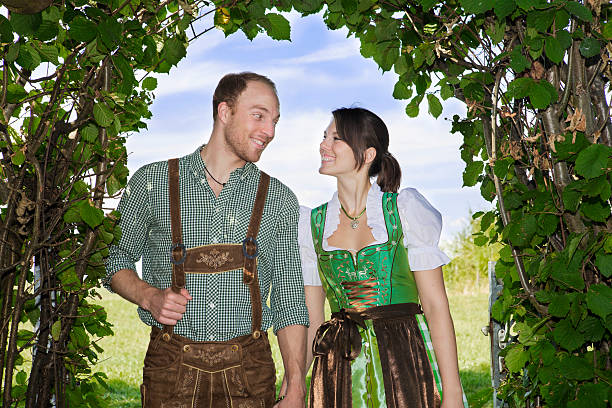
While men often wear lederhosen, women grace the tents in dirndls — the iconic German traditional dress that has become the gold standard for female Oktoberfest fashion. More than just a costume, it’s a cultural symbol. Wearing a dirndl is an expression of pride in heritage, a nod to centuries of Bavarian fashion, and an invitation to join in the customs of a region known for its charm and hospitality.
To truly complete your Oktoberfest outfit, it’s important to understand the elements that define a traditional dirndl. This German traditional dress has evolved over the years, yet its structure remains classic and instantly recognizable.
A traditional dirndl is composed of:
A well-fitted dirndl enhances the feminine form and allows for both comfort and elegance — key traits of an ideal Oktoberfest outfit.
The beauty of the German traditional dress lies in its adaptability. Whether you’re aiming for authentic historical accuracy or a modern fashion statement, there’s a dirndl to match every taste and body type.
If you’re after a traditional look, consider these classic combinations:
Modern versions of the dirndl embrace a more playful approach:
No matter the version, a quality dirndl will always stand out and complete your Oktoberfest outfit with flair. Look for dresses made in Germany or Austria to ensure authenticity.
A dirndl alone is striking, but it’s the accessories that bring the full look to life. If you're wondering how to elevate your German traditional dress, consider these options:
These elements turn your outfit into more than just a dress — they transform it into a living tribute to Bavarian heritage.
Dirndls originated as the working dress of Alpine peasants in the 19th century. Over time, they transitioned into Sunday-best attire and eventually, festival-wear. Their evolution reflects not only fashion trends but also cultural pride.
Wearing a German traditional dress at Oktoberfest connects you with a legacy of regional identity, craftsmanship, and tradition. For locals, it’s a badge of honor. For visitors, it’s a sign of respect and appreciation for the customs of the host culture.
While modern manufacturing has made dirndls more accessible, the best versions still pay homage to the garment’s rustic roots and attention to detail. High-end dirndls may feature hand embroidery, antique buttons, and woven ribbons passed down through generations.
As Oktoberfest has grown into an international phenomenon, so too has the style diversity of Oktoberfest outfits. Designers have introduced high-fashion dirndls with plunging necklines, lace overlays, and luxury fabrics like brocade and tulle. Meanwhile, major retailers offer affordable, ready-to-wear versions for tourists and newcomers.
Some trends worth noting:
Despite these modern touches, the heart of the German traditional dress remains the same — it’s about embracing tradition while expressing your personal style.
While creativity and personalization are encouraged, there are a few key don’ts to keep in mind:
To keep your Oktoberfest outfit elegant and culturally sensitive, always err on the side of authenticity and tradition.
If you want your dirndl to stand out and last for years, consider buying from brands and designers that specialize in German traditional dress. Reputable names include:
You can also explore second-hand shops in Germany and Austria, which often carry vintage pieces with history and character.
Oktoberfest occurs in late September through early October, and the weather in Bavaria can be unpredictable — sunny days can quickly turn chilly or rainy. When selecting your Oktoberfest outfit, plan for the elements.
Bring or consider:
This ensures that your German traditional dress not only looks stunning but also keeps you comfortable throughout the celebration.
While the basic structure of the dirndl is fixed, there are endless ways to personalize your Oktoberfest outfit:
Whether you're attending Oktoberfest for the first time or returning as a tradition, your outfit can tell a story — of where you're from, what you value, and how you celebrate.
At its core, Oktoberfest is about celebration — of life, friendship, music, food, and culture. There’s no better way to engage with that spirit than by wearing a German traditional dress with joy and respect. Your Oktoberfest outfit should reflect not only style but also a willingness to be part of something bigger: a community rooted in time-honored customs.
Whether you opt for a historically accurate dirndl or a modern rendition with flair, wear it proudly. Twirl in it, toast in it, dance in it. Let it transport you into the vibrant heart of Bavaria, where tradition meets festivity, and everyone is welcome.