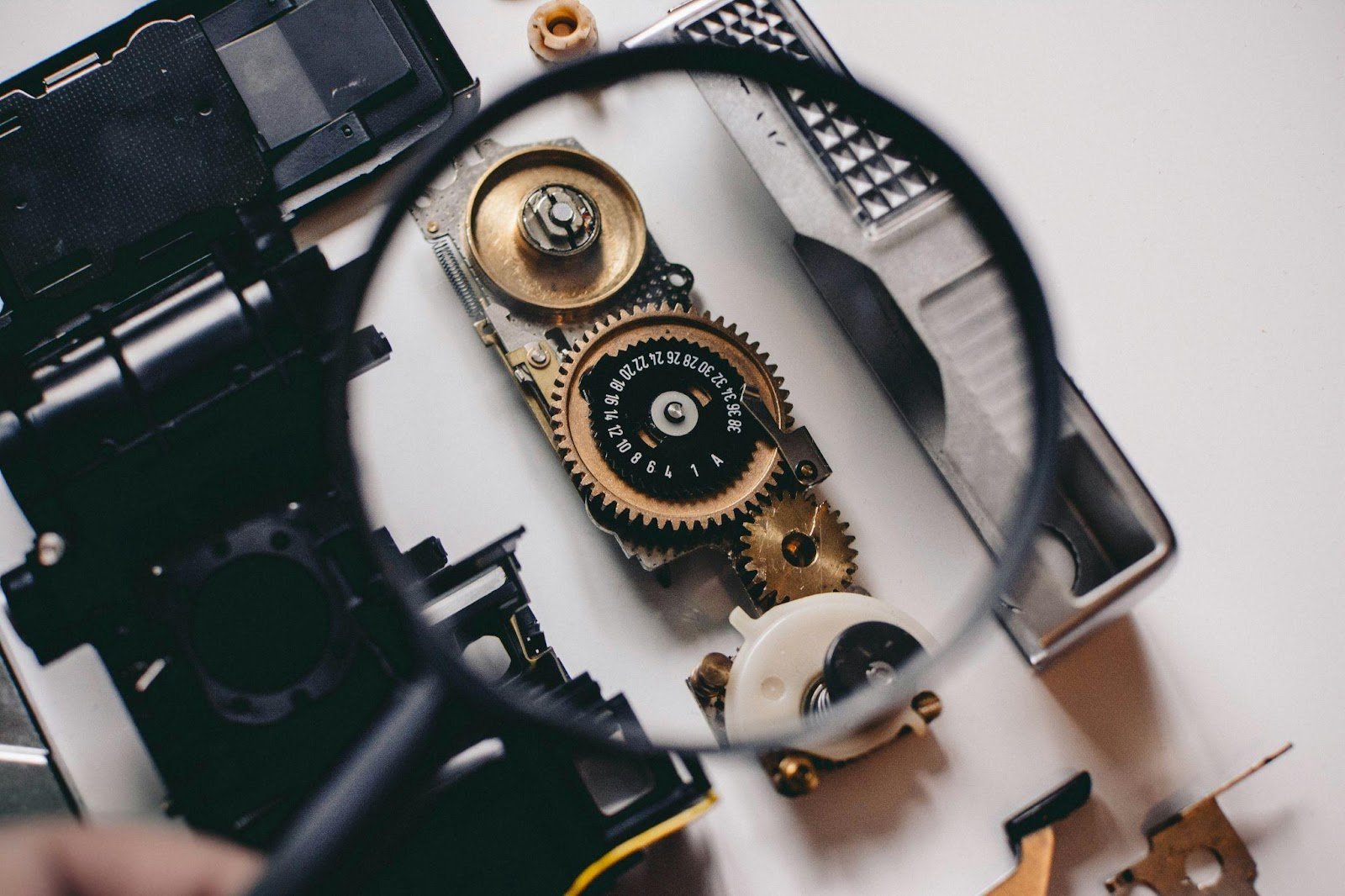
Photo by Shane Aldendorff on Unsplash
We often talk about the value of what we own—but rarely about how we maintain it. Whether it's car accessories, home tools, or fitness equipment, the small care habits we skip can quietly shorten their lifespan. And in the long run, that adds up in cost, clutter, and environmental impact.
Take car detailing gear, for instance. A microfiber drying towel can last dozens of uses—if it’s properly cleaned and stored. Yet many people ruin theirs after just a few washes by using the wrong detergent or letting it sit damp. Learning how to wash a car drying towel properly is a simple, often forgotten habit that saves money and improves results.
Here are several more everyday practices that quietly preserve the quality of your gear—and why bringing them back matters.
It seems obvious, but how many times have you used a garden tool, bike, or car accessory and then tossed it back into the garage without cleaning it? Dirt, road salt, sweat, and moisture may seem harmless at the moment, but over time, they eat away at finishes, clog moving parts, and create rust and odor.
Rinsing tools and gear before storing them—especially if they’ve been used outdoors—is a one-minute task that can add months or even years to their lifespan. For example, after a muddy hike or bike ride, a quick rinse of your boots or frame and a towel-dry before storing can prevent deterioration, rust, or mold.
The same goes for sports equipment, gym gear, or even pet accessories. Keep a microfiber towel or small cloth near your storage area to make this habit more automatic. It’s simple, and it works.
Not all gear wants to be tossed into a drawer. Some materials—like leather, rubber, or synthetic blends—require specific storage conditions to retain their shape and function.
Clothes made of technical fabrics, such as activewear or waterproof jackets, should be hung on wide hangers in ventilated spaces to prevent mildew or stretching. Tools with rubber handles or power cords shouldn’t be stored in hot attics or damp basements. And don’t forget the impact of direct sunlight—long exposure fades colors and weakens plastics, even through garage windows.
Understanding your gear’s storage preferences, so to speak, is one of the most overlooked steps in extending its usable life. Manufacturers often include this guidance on tags or packaging, but most of us never bother to read it.
It’s easy to throw everything into one load of laundry and call it a day, but some materials—especially those designed for specific functions—deserve specialized care.
Microfiber towels used for car detailing, for example, should never be washed with fabric softener, as it clogs the fibers and reduces their ability to absorb water. They should also be washed separately from lint-producing fabrics like cotton. Understanding how to wash a car drying towel properly can help you avoid scratches on your car’s paint and keep those towels fluffy and effective for much longer.
Outdoor gear such as tents, sleeping bags, or waterproof jackets also benefit from washing with purpose-built detergents. These products clean without stripping away the water-resistant coatings or damaging delicate fibers. It’s a small investment in both time and product that yields big savings down the road.
Most of us play favorites—whether it’s our go-to backpack, our comfiest hoodie, or our favorite hammer. But using one item excessively while neglecting others speeds up its wear and tear.
Rotating your gear, especially when you have multiples, helps distribute usage more evenly. This is particularly important for items like shoes (which need time to air out and decompress), power tools (which need time to cool between uses), and even car washing supplies like mitts or towels.
A backup doesn’t have to sit idle until an emergency. Integrate it into your regular routine to extend the life of both items.
Photo by De'von wellesley on Unsplash
Knives, scissors, garden shears, and other bladed tools dull over time—not because they’re cheap, but because that’s what happens with use. Unfortunately, most people either live with dull tools or toss them out entirely.
Sharpening, however, is a skill worth relearning. Knife sharpening tools are inexpensive, and a bit of practice goes a long way. The same goes for lawnmower blades, hand pruners, and even certain kitchen appliances. Keeping them sharp not only makes them more efficient but also safer—dull blades are more likely to slip and cause injury.
In some towns, local hardware stores offer sharpening services, often for just a few dollars per item. Check locally before you buy something new—you might be surprised what a quick edge can do.
Moisture is the silent killer of many tools and accessories. Whether it's that yoga mat you roll up immediately after class, or the microfiber towel you toss in the laundry basket while still damp, a little patience goes a long way.
Allowing items to fully dry before storing them prevents mildew, bacteria buildup, and material breakdown. This applies to anything porous or absorbent—shoes, gym bags, towels, and car sponges included.
Set aside a designated drying space in your garage, laundry room, or hallway where these items can breathe for a few hours before being put away. You’ll extend their usable life and keep odors at bay.
UV rays aren’t just a problem for your skin—they also damage plastics, fabrics, and rubber over time. If you’ve ever noticed a faded car dashboard or brittle garden hose, you’ve seen UV degradation at work.
Gear that sits exposed for long periods—be it in your car, on a balcony, or next to a window—should be covered or stored when not in use. This is also true for lubricants, adhesives, and chemical products, which can dry out or lose their effectiveness when exposed to air for too long.
Re-capping bottles tightly and using UV-blocking covers for stored equipment are small habits that significantly preserve quality.
It may sound silly, but how many times have you skimmed over a user manual and never looked at it again? Rechecking those care instructions can reveal details you forgot or never noticed.
Whether it’s the temperature limit on a non-stick pan or the ideal battery maintenance routine for a cordless drill, these specifics matter. Manufacturers know how to make their products last—but only if we follow through.
Spend a few minutes once a season reviewing the care instructions for your most-used gear. You might discover something that saves you from a costly mistake.
There’s a reason specialized cleaning products exist. Using dish soap to wash your car might seem harmless, but it can strip away wax and damage paint. Similarly, household cleaners can break down technical fabric coatings or dull the finish on tools.
Opt for the right cleaners, protectants, and conditioners for the items you care about most. Whether it’s using pH-balanced car shampoo or fabric-safe waterproofing spray, these products are designed to maintain performance and extend life.
The goal isn’t to buy more—it’s to buy smarter. Having one correct product that works as intended is better than five makeshift alternatives that don’t.
And for those looking to go deeper into product maintenance and sustainability, the Environmental Protection Agency (EPA) provides excellent resources on extending product life, reducing waste, and making smarter consumer choices. At the end of the day, caring for your gear is really about caring for your future—and that’s a habit worth remembering.