Garden equipment is a significant investment for homeowners and property managers. Whether it's a riding mower, trimmer, tiller, or garden cart — keeping your gear in top shape means less money spent on repairs and replacements and more time enjoying a well-maintained yard, notes the InterWest Properties team.
Proper upkeep isn't tricky, but it does require consistency. In this guide, we'll explore how regular maintenance, smart storage, and timely replacement of parts like aftermarket mower belts can help your garden equipment serve you for many seasons to come.
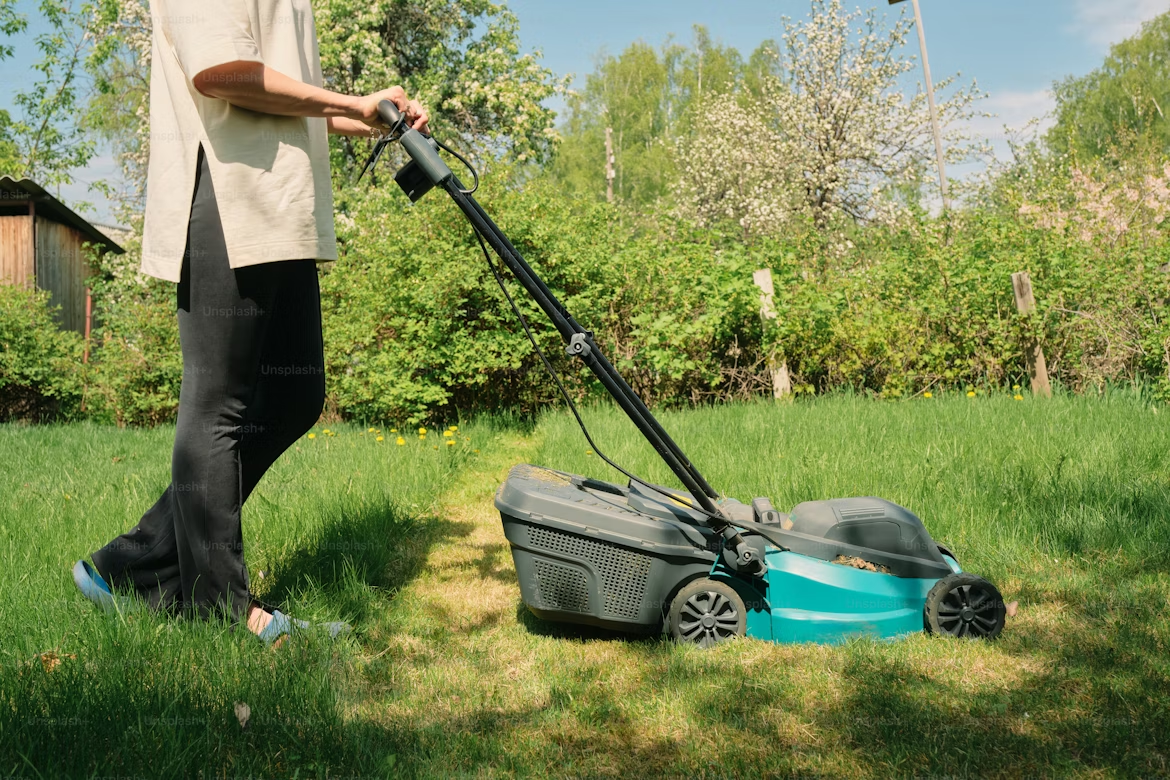
https://unsplash.com/photos/a-person-mows-the-lawn-on-a-sunny-day-rR1qx-cCFZw
One of the simplest — yet most essential — maintenance steps is inspecting and replacing worn aftermarket mower belts. These belts transfer power from the engine to the blades or drive system and are critical to mower performance.
Over time, mower belts wear down from friction, temperature changes, and debris buildup. Worn belts can cause:
● Sluggish blade response or loss of blade engagement
● The jerky or slow wheel movement
● Excessive strain on the engine
● Complete equipment failure if the belt snaps during use
By choosing high-quality aftermarket mower belts and replacing them proactively, you can enhance machine efficiency, reduce fuel consumption, and prevent more costly repairs down the line.
● Visible cracks, fraying, or shine/glazing on the surface
● Slipping or squealing noise when operating
● Blades are not engaging smoothly or at all
● Uneven cutting patterns
A quick visual inspection before each mowing season — and keeping a spare belt in your shed — can save you both downtime and repair bills.
Blades take the brunt of the work in your mower or garden tool. When they become dull or nicked, your engine has to work harder to get the same result, which puts strain on the motor and consumes more fuel.
● Sharpen blades after every 15–20 hours of use
● Replace blades if there are deep chips or bends
● Clean blades with a stiff brush and warm water after use to remove sap and dirt
A sharp blade ensures a cleaner cut, promotes healthier grass, and keeps your machine running efficiently.
Like any engine, your garden equipment needs clean oil and fresh filters to operate smoothly. Dirty oil causes increased friction and internal wear, while clogged air filters reduce performance and fuel economy.
● Oil changes: Every 25–50 hours of use or at the start of each season
● Air filters: Clean monthly, replace every 1–2 seasons
● Fuel filters: Replace every season for optimal fuel flow
Be sure to use the oil grade recommended by your equipment manufacturer and dispose of old oil responsibly.
Every piece of garden equipment has moving components — wheels, pulleys, axles, cable controls, and handles — that benefit from regular lubrication. This prevents squeaking, sticking, and premature wear.
● Axles and wheel bearings
● Pivot points on handles or levers
● Choke and throttle cables
● Mower deck spindles
Use a light machine oil or silicone-based lubricant for moving parts, and apply general-purpose grease to metal-on-metal joints.
Even though it's tempting to "mow and go," taking 5–10 minutes to clean your equipment after each use prevents long-term buildup of debris, moisture, and corrosive materials like fertilizer.
● Use a soft brush or blower to remove grass and dirt
● Rinse off mud and clippings with a garden hose (but avoid electrical components)
● Dry thoroughly to prevent rust
● Store on a clean, dry surface — not directly on dirt or grass
Keeping your gear clean also gives you a chance to spot issues like leaks, loose bolts, or worn belts early.
Storage is often overlooked — yet poor storage habits are a leading cause of rust, corrosion, and mechanical issues. Whether you're storing gear between uses or for the entire off-season, follow these best practices:
● Drain or stabilize fuel if storing longer than 30 days
● Remove spark plugs and batteries in winter
● Cover equipment with a breathable tarp or fabric cover
● Store in a dry shed or garage elevated off the damp ground
● Keep small parts (like aftermarket mower belts) labeled and organized in plastic bins
Proper storage ensures that your equipment is ready to go at the start of every new season.
Garden equipment endures constant vibration and stress, which can loosen fasteners over time. Loose bolts not only reduce performance but also pose safety risks.
● Perform a monthly inspection of all visible bolts and screws
● Use a torque wrench where needed to maintain factory specs
● Check tire pressure and inspect plastic wheels or hubs for cracks
● Inspect belt routing and tension regularly
Keeping everything tight, aligned, and balanced prevents major breakdowns from happening.
Sometimes, it's more cost-effective to replace a worn part than try to repair it — especially for high-wear items like belts, blades, and filters.
● Belts are cracked, glazed, or stretched
● Blades are bent or damaged beyond sharpening
● Plastic or rubber components are brittle
● Spark plugs or filters look burnt, clogged, or oily
Using high-quality aftermarket parts — such as those from trusted suppliers — can offer the same durability as OEM, often at a better price.
Whether digital or handwritten, a maintenance log helps you stay on top of service intervals and part replacements. It's also valuable for resale, as it proves the equipment was well-maintained.
● Oil change dates
● Filter replacements
● Belt or blade swaps
● Noted performance issues
● Hours of use each season
You'll avoid guessing and can plan purchases or services ahead of time.
Taking care of your garden equipment doesn't require special skills or expensive tools — just consistency and attention to detail. Small tasks, such as checking aftermarket mower belts, changing filters, and cleaning after use, may only take minutes, but they can add years of reliable service to your machines.