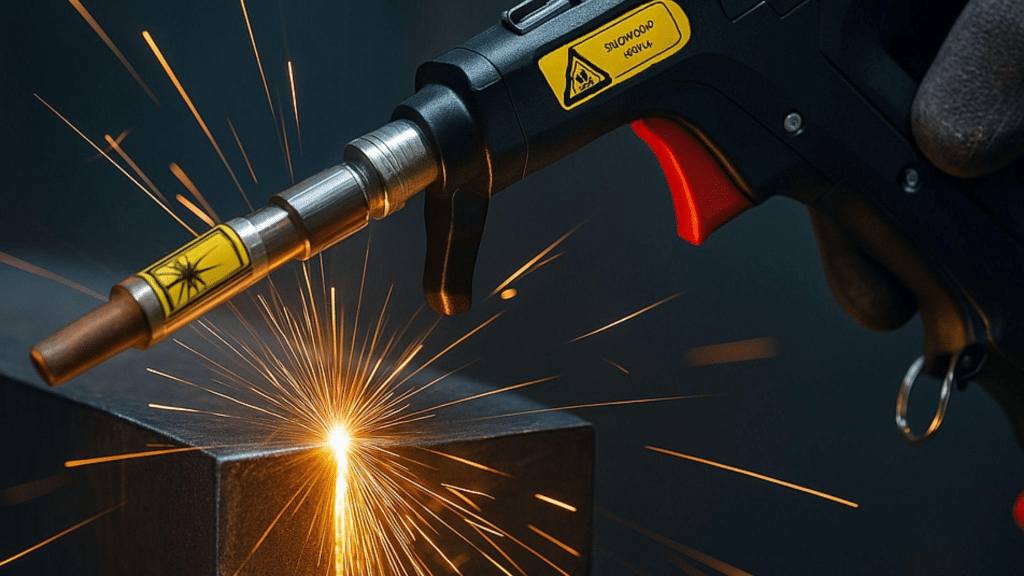
Let’s be real—winning in today's business world isn’t just about clocking in longer hours. It’s about being smarter, leaner, and more responsive. Enter scalable automation. This isn’t some flaky trend—it’s the game-changer powering companies that want to out-hustle the competition. Add more precision, faster production, and cost savings to the mix, and voilà—you’ve built a business that isn't just working hard, but working right.
You’ll hear about robotics, cloud systems, and yeah—the humble but mighty cobot welder—in places where people and machines actually make a great team. If you’re running a factory, a warehouse, or (heck) even a small shop, diving into scalable automation means future-proofing your operation. Let’s break it down.
These terms get thrown around a lot, so here’s a simple breakdown:
Scaling up isn’t just doing more—it’s doing more without things falling apart. It’s putting in extra cobot welders, better systems, or extra help, and still keeping everything humming along smoothly. Think of it like expanding a pizza oven—you want more pies out the door without burning the crust or slowing down deliveries.
Everyday tasks—like repetitive welding, counting inventory, or generating reports—can be handed off to machines or software. That automation frees your team to focus on smarter, more strategic work. Plus, let’s be honest, fewer human errors.
Now add some AI. Suddenly your systems aren’t just doing things—they’re getting smarter. They notice patterns, predict failures, tweak processes on the fly. It’s like having a coworker who never sleeps and always gets better.
Here’s what makes scalable automation actually work in the real world:
Imagine your workspace as a LEGO set. Need more output? Snap in another cobot welder. Want to change configurations? Reorganize on the fly. It’s about designing systems that adapt as demand shifts, without having to tear everything apart.
Cloud-based ERPs keep everything connected—like a backstage control deck for your entire operation. Inventory, scheduling, finances… it’s all in one place, accessible from anywhere. No more chasing spreadsheets like paper trails in a maze.
Real-time feedback isn’t just helpful; it’s essential. Sensors on your machines monitor temperature, speed, downtime—you name it—and feed that info to your team. Spot trouble before it stops, not after.
If you’ve got piles of data, AI can sift through it at scale. A cobot welder might run hotter at certain times, or wear parts faster than expected—AI flags that early so you can fix it before it goes wrong.
Cobots aren’t Saturday morning cartoon robots—they’re tools built to work safely alongside humans. A Denaliweld cobot welder can lay down welds all day, every day, while your team manages operations, tackles tricky adjustments, or jumps in for custom jobs. It’s synergy at its finest.
So what do you actually get out of it?
Hand off the monotonous tasks to cobots and watch the line flow. No breaks, no fatigue, no wasted cycles. Faster, steadier output.
Robots mean fewer mistakes and lower per-unit costs. And with bigger volume, you start locking in better supplier deals. It's savings by design.
Ever tried training someone to do the exact same weld across hundreds of parts? With a cobot, that’s a non-issue. Same settings, same snug fit, every single time.
Market shifts? Demand change-ups? No stress. You can adjust outputs by adding modules or tweaking workflows without disrupting everything else. The pizza oven can bake more pies or switch to calzones on the fly.
Automation = fewer rejects, less waste. And when machines handle risky tasks, your team stays safer. Plus, regulations love cleaner operations.
Thinking about dipping a toe in? Here’s a roadmap.
Pick a hotspot in your operation—maybe it’s welding volume or a repetitive station—bring in a cobot welder, and track the results. How's output, quality, operator feedback? Tweak and expand from there.
Build small, plug-and-play systems that can expand as needed. Getting everything onto the cloud lets you manage workflows and data from anywhere. Combine that with a scalable physical setup and you’re golden.
People need to feel ready, not replaced. Offer training, Q&A sessions, real walkthroughs. Make cobots tools your team uses—not threats that replace them.
You don’t have to go it alone. Find cobot integrators or automation consultants to guide your rollout and troubleshoot early issues. It makes the journey faster and smarter.
Hurdles? Sure, but they’re manageable.
Cobots, software, and systems cost money. Start small—pilot that cobot welder—and use real data to justify expansion. Phasing in the tech reduces sticker shock.
Old systems don’t play nice with new tech. Middleware and APIs can bridge gaps—and a focused data-cleanup project makes everything run smoother.
More digital means more risk. Use encryption, do regular security audits, and train your team to spot phishing or misuse. Policies matter—so tell people what’s okay and what's not.
Here’s a story worth sharing: a food plant rolls out cobot welders on one line.
● Precision improved—defects dropped from 5% to 1%.
● Output jumped from 200 to 300 units/hour.
● Labor costs dropped from $1,500 to $1,200 per shift.
More speed. Better quality. Happy team.
That’s not number fiddling—it’s real results that make a bottom-line difference.
Cobots, smart systems, and scalable automation are the way forward.
● Efficiency will keep climbing.
● Costs will keep dropping.
● Quality will stay reliably high.
● People will take on smarter, less repetitive roles.
● Environment gets a break with less waste.
If you're not testing automation yet, you’re already a step behind.
Scalable automation isn’t about replacing humans—it’s about transforming how work gets done. A cobot welder isn’t just a machine—it’s a teammate that never tires, keeps precision high, and lets your staff focus on creativity, problem-solving, and big-picture growth.
Start small, pilot smart, and build momentum. Each step you take makes your operation smoother, stronger, and more future-ready. That’s not just growth—it’s evolution.