Starting a food business no longer requires the massive investment of opening a full-fledged restaurant. With consumer habits leaning toward convenience and on-the-go service, the food kiosk model has emerged as one of the most profitable and flexible formats for entrepreneurs. However, the success of a food kiosk doesn’t only depend on what’s being served—it also relies heavily on how well the space is designed.
Designing a food kiosk requires strategic planning, creativity, and attention to detail. In this article, we’ll explore essential design tips that can help you turn a small structure into a thriving business, and how integrating the right store fixtures will make all the difference in operations and customer experience.
Unlike traditional restaurants, a food kiosk typically operates within a confined space—often less than 100 square feet. With such limited room, your design decisions become crucial for functionality, speed of service, and visual appeal.
The layout, choice of materials, equipment, and fixtures directly affect:
A well-designed kiosk can lead to higher conversion rates, repeat customers, and lower operational costs.
Before diving into layout and fixtures, get clear on what type of food you plan to serve. Your concept will influence nearly every design decision.
Once the concept is nailed down, the rest of the planning becomes more focused and purposeful.
Location and design go hand in hand. Malls, airports, campuses, festivals, and street corners all have unique space constraints and customer flow patterns. Your kiosk design should fit seamlessly into the location while standing out visually.
A great place to start planning your build is by exploring professional options at My Food Kiosk. They provide customizable kiosk models tailored to different environments and food types.
To run a successful kiosk, every square inch must be functional. This is where the strategic use of store fixtures becomes essential. Fixtures help organize your space, present products, and keep operations efficient.
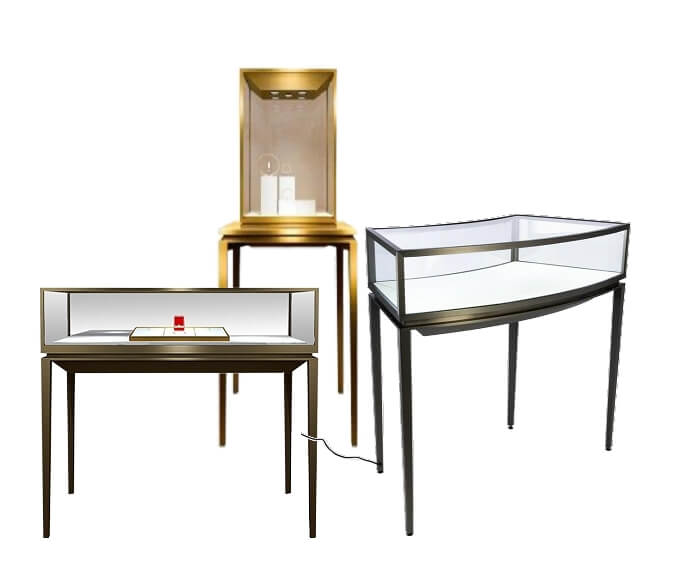
Popular store fixtures for food kiosks include:
Using the right combination of fixtures ensures smooth workflows for staff and a pleasant experience for customers. Explore a variety of professional-grade fixtures at RT Display, where designs are built for both beauty and durability.
The best kiosk designs prioritize flow—for both customers and staff. Here's a general layout strategy to consider:
Ensure your layout supports fast service and easy communication between team members.
In a food kiosk, simplicity wins. Long preparation times or complicated setups slow everything down. Your design should support:
Incorporate fixtures that promote workflow efficiency. For example, sliding drawers beneath counters can store sauces, wraps, or utensils. Hanging hooks can hold gloves or tools. Every second saved contributes to better service and higher customer satisfaction.
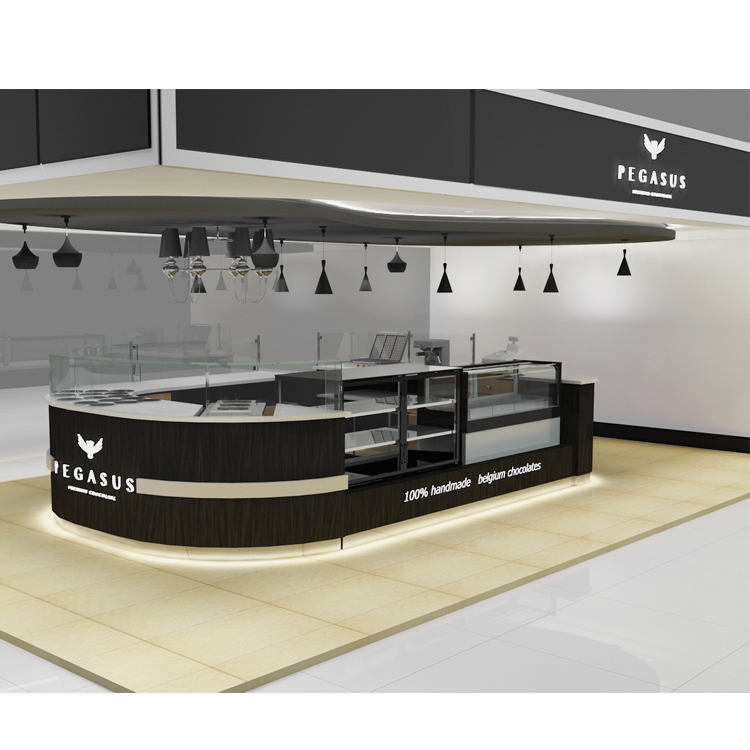
Your kiosk is a billboard for your brand. Make sure the design, colors, signage, and even the fixtures reflect your brand personality. Whether your theme is organic and earthy or bold and colorful, the design should be instantly recognizable.
Consider:
Branding creates memorability and trust, making your kiosk stand out in busy spaces.
Lighting is an often-overlooked aspect of kiosk design. However, it plays a big role in attracting attention and enhancing the visual appeal of your food. Use a mix of ambient and spotlight lighting to highlight your signage and displays. LED strip lights under shelves can also add a clean and modern feel.
Make sure your kiosk is visible from a distance and well-lit in the evenings if you're in an outdoor or extended-hour location.
Local health and safety regulations must be considered from the design phase. Ensure your kiosk includes:
Many compliance issues can be avoided by choosing professional-grade equipment and fixtures designed with food safety in mind.
While it’s tempting to go all out, sticking to a budget ensures that your business remains profitable. Invest more in essentials like durable fixtures, reliable equipment, and a solid build rather than trendy add-ons.
Also, think about scalability. If your kiosk performs well, can you replicate the model in other locations? A standardized design with modular fixtures makes expansion easier.
Design is the foundation of a successful food kiosk business. From choosing the right location and layout to incorporating the perfect store fixtures, every detail matters. With thoughtful planning and quality components, you can create a space that’s functional, inviting, and profitable.
For high-performance food kiosk designs, consider My Food Kiosk, a reliable source for modern and efficient kiosk solutions. To complete your setup with professional-grade store fixtures, visit RT Display, where you’ll find options designed for compact retail and food spaces alike.
When form meets function, your food kiosk won’t just serve customers—it will attract them, retain them, and help your business grow.