Scent is a deeply influential yet often underestimated sense when it comes to attraction, memory, and emotional connection. While people frequently emphasize looks or communication in relationships, it’s often our sense of smell that shapes initial impressions and lasting chemistry. Whether it’s the natural pheromones we emit or the scents we choose to wear, smell can trigger powerful emotional responses and strengthen personal bonds. For those curious about enhancing these sensory experiences, exploring options like scented enhancers or learning where to buy poppers can open up new dimensions of connection and intimacy. Understanding the role scent plays in our relationships provides a unique perspective on how we form and maintain meaningful attachments.
Human attraction is influenced by a complex mix of visual, auditory, and chemical cues. Among these, scent operates on a subconscious level, influencing how we perceive others. Our sense of smell is directly linked to the limbic system, the part of the brain responsible for emotion, behavior, and long-term memory. This explains why the scent of a loved one can trigger comfort, nostalgia, or desire.
One of the biological factors underlying scent-based attraction is our body’s unique chemical signature, which is partially determined by our genes. Our natural odor carries information about our immune system. People are often drawn to the scent of those whose immune systems differ from their own - a factor that may have evolved to ensure healthier offspring through genetic diversity.
Interestingly, natural body scent can even shift depending on hormonal changes, stress levels, or diet. This dynamic nature of scent makes it a live, ongoing expression of a person’s internal state, providing cues about health, emotional status, and compatibility.
The idea of pheromones - chemicals that trigger behavioral responses in others - is well-documented in the animal kingdom. Certain animals use pheromones to attract mates or mark territory. In humans, the existence of similar chemical messengers is a topic of continued scientific debate.
Although specific compounds have been identified that appear to influence mood or perception, the mechanism is less direct than in animals. Humans lack a fully functioning vomeronasal organ, which in animals detects pheromones. Instead, any chemical communication through scent in humans likely happens through the primary olfactory system.
Whether or not pheromones play a major role, one thing remains clear: scent does have a measurable influence on emotional and psychological response in interpersonal relationships.
While biology plays a key role, culture and personal experience also shape scent preferences. What smells pleasant or attractive in one culture might not be viewed the same in another. Fragrance trends, hygiene standards, and even childhood memories can all influence how we respond to different smells.
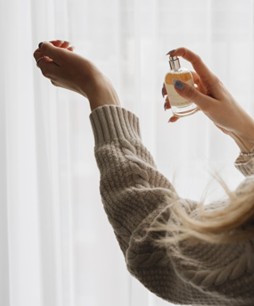
Personal grooming choices, such as soaps, shampoos, and perfumes, blend with natural scent to create a unique signature. Many people report that certain fragrances remind them of specific people or moments, reinforcing the emotional tie between scent and memory. When selecting perfumes or colognes, people often gravitate toward scents that resonate with their personality or desired image, adding another layer of self-expression to attraction.
In relationships, shared scent experiences can foster emotional connection. Over time, these shared olfactory environments contribute to the intimacy and comfort felt between partners.
The influence of scent extends beyond personal hygiene and body products—our living environments play a crucial role as well. The way our homes smell can significantly affect our mood, stress levels, and even our relationships. A home filled with calming or familiar scents can feel more welcoming, reduce anxiety, and enhance a sense of safety and belonging. Whether it’s the aroma of freshly baked cookies, a favorite candle, or even the lingering scent of a partner’s cologne, these olfactory cues shape how we emotionally experience our space. Intentionally creating a pleasant-smelling home environment can become an extension of self-care and relationship building, subtly reinforcing the emotional atmosphere we desire to cultivate.

The psychological benefits of scent in relationships extend beyond attraction. Familiar smells can reduce anxiety, improve sleep, and even increase feelings of closeness. When couples are separated, items carrying their partner’s scent - a shirt, pillowcase, or scarf - can provide comfort and a sense of emotional presence.
This emotional impact is not just anecdotal. Studies show that people can recognize their partner’s scent with high accuracy, and exposure to that scent can reduce stress and increase emotional resilience. These effects are particularly important in long-term relationships, where the bond is built not only on attraction but also on comfort and trust.
Partners who find each other’s natural scent appealing often report stronger physical attraction and greater relationship satisfaction. Scented products can amplify this effect. Fragrances with musky, spicy, or floral notes may enhance sensual experiences, but the key lies in personal chemistry. What smells intoxicating on one person may not work for another, as the interaction between body chemistry and fragrance is unique to each individual.
Incorporating scent into relationship rituals can deepen connection. For example:
Choosing a signature scent: A cologne or perfume worn consistently can create lasting positive associations.
Scented environments: Candles, essential oils, or diffusers in shared spaces can promote relaxation and connection.
Personal items: Exchanging worn clothing or scented keepsakes can help couples stay emotionally close, especially during physical separation.
Being mindful of scent can also strengthen self-confidence. When individuals feel good about how they smell - whether naturally or with the help of fragrance - they often project greater self-assurance and openness, which can positively influence how others perceive them.
Scent is a silent yet powerful force in human relationships. It can spark attraction, strengthen emotional bonds, and communicate complex biological and emotional information - all without a single word being spoken. While modern society tends to emphasize looks and language, the science of scent reminds us that our deepest connections often begin at the sensory level.
In both new and established relationships, paying attention to scent can offer a new dimension of intimacy. Whether through the natural allure of body odor, the comforting presence of a partner’s shirt, or the shared joy of a favorite candle, smell has the power to deepen emotional connection and keep love vibrant in ways no app or algorithm ever could.