
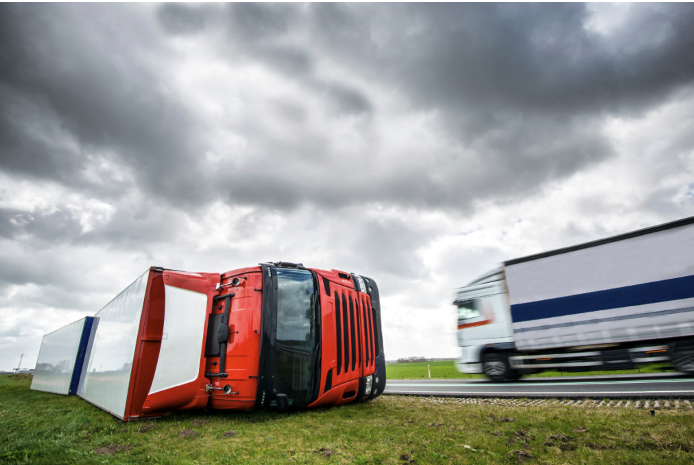
Truck accidents often leave a trail of complex evidence requiring precise examination to determine liability. In this scenario, let's focus on the city of Pittsburgh. Pittsburgh, Pennsylvania, with a population exceeding 300,000, is renowned for its vibrant economy, shaped by healthcare, education, and technology industries.
The city's intricate network of highways and bustling commercial activity make it a significant hub for trucking operations, emphasizing the importance of thorough investigations when accidents occur. Each detail, from the truck's black box data to driver logs and maintenance records, plays a crucial role in building a solid case for a Pittsburgh truck accident claim.
In this post, you will discover key elements to focus on during a truck accident investigation to ensure every angle is covered. Keep reading.
The initial step in a truck accident investigation is examining the driver's logs and records. These documents provide crucial insights into the driver's hours of service, rest periods, and potential regulation violations. Any discrepancies in the records, such as signs of fatigue or failure to comply with rest requirements, could be key to understanding the cause of the accident.
Trucks are furnished with Electronic Control Module (ECMs) called "black boxes." These devices capture vital information like speed, braking patterns, engine performance, and more.
The black box data helps to reconstruct the events leading up to the accident, providing solid evidence on factors like the truck's speed at the crash, sudden braking, or any mechanical failures that may have contributed to the incident.
A comprehensive mechanical inspection of the truck is essential. Faulty equipment, such as worn-out tires, defective brakes, or the truck's suspension system malfunctions, can lead to catastrophic accidents.
Investigators must thoroughly check for maintenance issues and review the truck's records. A lack of proper upkeep or maintenance could point to negligence by the trucking company or the driver.
Witnesses play a significant role in truck accident investigations. Eyewitness accounts give additional perspectives on the accident, which might offer valuable details that otherwise go unnoticed. Investigators should gather testimonies from anyone who witnessed the accident or its aftermath, including pedestrians, other drivers, and passengers.
Accidents often result from road conditions or weather factors that significantly impair a driver's ability to operate a truck safely. A thorough investigation includes evaluating road conditions during the crash, such as road hazards, construction zones, or poor weather conditions like fog, ice, or rain. These factors may help articulate the driver's response or lack of control leading to the crash.
Another critical focus during the investigation is the driver's qualifications and training records. Proper driver training is essential for safe operation, especially when dealing with the complexities of large trucks.
Investigators must review the driver’s history, including past traffic violations, accidents, and compliance with federal regulations for commercial drivers. Inadequate training or a history of violations may point to a potential cause of the accident.
Investigators must also examine the trucking company's safety practices. This includes the company's safety protocols, past accident history, and how it handles maintenance and driver training. A company with a poor safety record or inconsistent practices may be held accountable for negligence, contributing to the cause of the accident.
Another critical aspect is gathering surveillance footage from traffic cameras or nearby businesses. In urban areas like Pittsburgh, cameras on intersections and highways provide essential evidence. Examining the accident scene itself is equally important. Investigators look for skid marks, debris, and vehicle positions to help determine the events that unfolded before the collision.
In some cases, toxicology tests may be necessary to determine if the driver was under the influence of alcohol or drugs. Investigators may also check for the presence of controlled substances in the driver’s system, as this could significantly influence liability in the accident. These reports provide an additional layer of evidence to prove negligence or impairment at the time of the crash.
Finally, consulting experts in truck accident reconstruction or human factors can add credibility to the investigation. These specialists are able to analyze the gathered data, provide insights into the truck's mechanics, and offer opinions on how the accident occurred.











