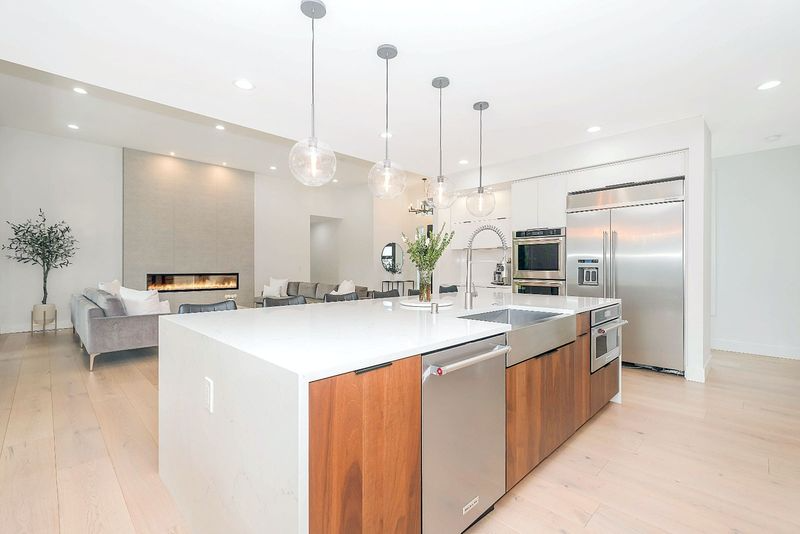
Adding more space to your home in Washington State is an excellent way to enhance your living environment and increase property value. However, due to the region’s unique factors—like specific building codes, weather conditions, and environmental considerations—it’s essential to approach your project with careful planning to avoid common pitfalls.
Whether you’re considering a new bedroom, a home office, or a multi-functional space, understanding the mistakes to avoid can save you time, money, and stress. Here’s a detailed guide tailored for homeowners in Washington State to ensure your home addition project is a success.
1. Ignoring Washington State Building Codes and Permits
Building codes and permit requirements in Washington State can be complex and vary between cities and counties. Failing to obtain the proper permits can lead to fines, legal issues, or even having to tear down your addition.
How to Avoid It:
- Research the building codes and zoning requirements for your area. Popular areas like Seattle or Tacoma may have additional regulations, especially for historic neighborhoods or environmentally sensitive zones.
- Obtain the necessary permits before construction begins.
- Work with a contractor familiar with Washington State regulations to streamline the approval process.
2. Underestimating the Impact of Weather
Washington State’s climate—characterized by frequent rain in western regions and colder winters in the east—can significantly impact your home addition project. Ignoring these weather patterns can lead to delays or structural issues.
How to Avoid It:
- Schedule construction during drier months, typically late spring through early fall, to minimize weather-related disruptions.
- Use weather-resistant materials like treated wood, composite siding, or metal roofing to protect against moisture and rot.
- Ensure your design incorporates proper drainage and roofing to handle heavy rain.
3. Failing to Address Environmental Concerns
Washington has strict environmental regulations, especially when it comes to protecting natural habitats, wetlands, and trees. Overlooking these rules can result in hefty fines and project delays.
How to Avoid It:
- Check for environmental restrictions on your property, such as wetland buffers or tree protection ordinances.
- Consider eco-friendly designs that minimize environmental impact, such as energy-efficient insulation or solar panels.
- Work with local authorities or environmental consultants to ensure compliance.
4. Choosing the Wrong Contractor
In Washington State, choosing the right general contractor is critical due to the region’s specific building challenges. A contractor unfamiliar with local conditions or codes can cause costly mistakes.
How to Avoid It:
- Verify that your contractor is licensed, bonded, and insured in Washington State. You can check credentials through the Washington State Department of Labor & Industries.
- Ask for references and examples of previous projects, particularly those involving home additions in your area.
- Select a contractor with experience navigating Washington’s unique permitting and building requirements.
5. Overlooking Energy Efficiency Requirements
Washington State has strict energy efficiency standards under the Washington State Energy Code (WSEC). Ignoring these regulations can result in non-compliance and higher energy costs.
How to Avoid It:
- Incorporate energy-efficient windows, doors, and insulation into your design.
- Choose energy-saving appliances and HVAC systems that comply with WSEC standards, added Technical Hot & Cold Parts, who are supplying original equipment manufacturer (OEM) parts.
- Consider renewable energy options like solar panels or heat pumps to reduce your carbon footprint.
6. Poor Site Planning and Lot Utilization
Not optimizing the use of your lot can result in a poorly placed addition that feels disjointed or disrupts your yard. Washington’s varied landscapes, from dense urban neighborhoods to sprawling rural properties, require careful site planning.
How to Avoid It:
- Plan your addition to blend seamlessly with the existing structure and landscape.
- Position the addition to maximize natural light, especially in areas with overcast skies.
- Consider setback requirements and property line restrictions specific to your area.
7. Neglecting Long-Term Resilience
In Washington, natural disasters like earthquakes and flooding are potential risks. Building an addition without considering these factors can compromise safety and durability.
How to Avoid It:
- Incorporate seismic reinforcements into your addition, especially if you’re in an earthquake-prone zone like Seattle.
- Design for flood resilience if your property is in a low-lying or coastal area.
- Use durable materials that can withstand Washington’s diverse climate conditions.
8. Skipping Drainage and Waterproofing
The Pacific Northwest’s rainy climate makes proper drainage and waterproofing critical for any home addition. Neglecting this step can lead to water damage, mold, and structural issues.
How to Avoid It:
- Install a robust drainage system, including gutters, downspouts, and French drains, to direct water away from your home.
- Use waterproof materials and vapor barriers to protect against moisture intrusion.
- Ensure proper grading around your addition to prevent water pooling.
9. Overloading Utility Systems
Adding new space to your home often requires upgrading your existing utility systems. Failing to account for these needs can result in inefficiencies and higher utility bills.
How to Avoid It:
- Evaluate your current electrical, plumbing, and HVAC systems to determine if they can support the additional space.
- Upgrade systems as needed to accommodate increased demand.
- Incorporate smart home technology to monitor and optimize energy use.
10. Ignoring Your Home’s Aesthetic Harmony
A home addition that doesn’t match your home’s style can look awkward and detract from its overall value. This is particularly important in Washington’s older neighborhoods, where architectural consistency is often required.
How to Avoid It:
- Use materials, colors, and design elements that complement your existing home.
- Work with an architect or designer who understands Washington’s architectural trends.
- Pay attention to details like rooflines, siding, and window styles to create a cohesive look.
11. Forgetting About Landscaping
A home addition can disrupt your yard, leaving it looking unfinished or uninviting if landscaping is overlooked.
How to Avoid It:
- Plan for landscaping updates as part of your overall project budget.
- Choose native plants that thrive in Washington’s climate to reduce maintenance.
- Use landscaping to enhance privacy or create outdoor spaces that complement your new addition.
Conclusion
Adding to your home in Washington State is an exciting opportunity to improve your living space and increase property value. However, it’s essential to avoid common mistakes by planning carefully, adhering to local regulations, and considering the unique challenges of the region.
By setting a realistic budget, working with experienced professionals, and focusing on energy efficiency and durability, you can ensure a smooth and successful home addition project that enhances your home for years to come.