
Jay Capodiferro often emphasizes that insulation plays a critical role in ensuring a home’s energy efficiency, comfort, and long-term durability. However, many homeowners unknowingly make mistakes when installing or upgrading insulation, leading to reduced performance and higher costs. By understanding these common pitfalls, homeowners can avoid costly errors and create a more energy-efficient living space.
One of the most frequent mistakes Jay Capodiferro highlights is the lack of proper planning before undertaking an insulation project. Homeowners often underestimate the importance of assessing their home’s specific needs, leading to incorrect material choices or insufficient coverage. Conducting a thorough energy audit and consulting with experts like Jay Capodiferro can ensure that the right type of insulation is chosen based on climate, home design, and budget. This step not only maximizes energy efficiency but also prevents costly redos in the future. Proper planning is essential to achieving the best results, and this is where Jay Capodiferro’s expertise proves invaluable.
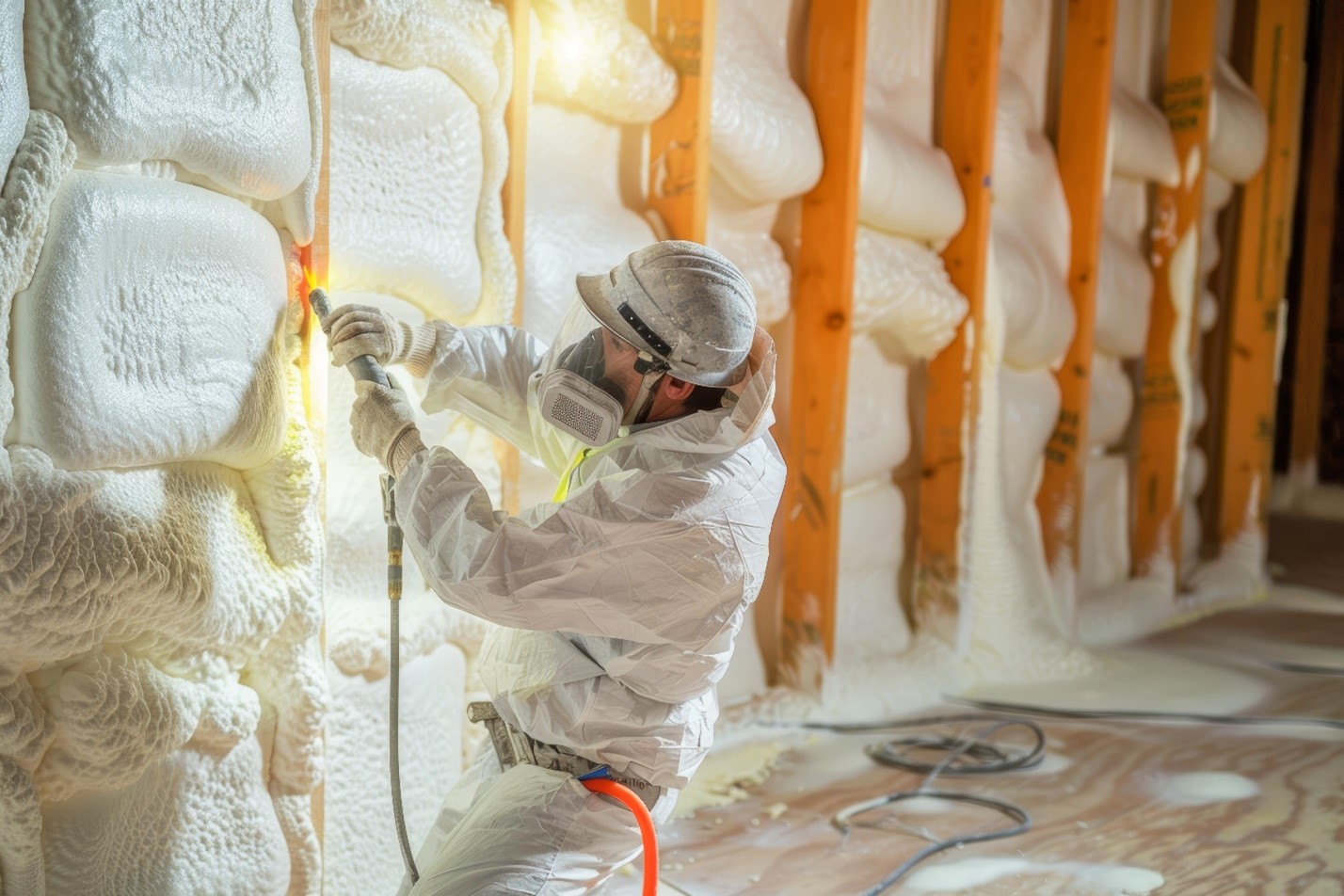
Jay Capodiferro explains that selecting the wrong insulation material is a common issue among homeowners. Each insulation type—whether fiberglass, spray foam, or cellulose—has distinct advantages and is suited for specific applications. For example, spray foam offers excellent air sealing, but it may not be necessary for all areas of the home. Choosing materials without understanding their properties or suitability can lead to inefficiency and wasted resources. By consulting an expert like Jay Capodiferro, homeowners can make informed decisions that align with their specific requirements. The wrong materials not only compromise insulation but also increase costs over time, making expert guidance critical.
Air leaks are another major concern Jay Capodiferro often addresses when discussing insulation mistakes. Many homeowners focus solely on adding insulation without sealing gaps and cracks around windows, doors, and other vulnerable areas. This oversight allows conditioned air to escape and outdoor air to infiltrate, reducing the effectiveness of even the best insulation. Sealing air leaks before installing insulation ensures that the system functions optimally, which Jay Capodiferro stresses as a crucial step in achieving energy efficiency. Ignoring air leaks can undermine even the most advanced insulation efforts, making it vital to address this issue comprehensively.
Improper installation techniques can significantly diminish the performance of insulation, a point Jay Capodiferro frequently emphasizes. For instance, compression of fiberglass batts, uneven application of spray foam, or leaving gaps in coverage can create thermal bridges that allow heat transfer. Homeowners attempting DIY projects without the necessary skills often encounter these issues. Jay Capodiferro recommends hiring professional installers to ensure that the insulation is applied correctly and meets industry standards, providing long-lasting results. Proper installation is just as important as material selection, as poor techniques can lead to inefficiency and costly repairs.
Moisture is a common enemy of insulation, and Jay Capodiferro warns that failing to address it can lead to significant problems. Insulation exposed to moisture can lose its effectiveness, become a breeding ground for mold, and compromise indoor air quality. Homeowners often neglect the importance of vapor barriers or fail to identify areas prone to condensation, such as basements and crawl spaces. By working with experts like Jay Capodiferro, homeowners can incorporate moisture control measures into their insulation plans to protect their investment. Moisture issues, if left unchecked, can compromise not only insulation but also the structural integrity of the home.
The R-value of insulation indicates its thermal resistance, and Jay Capodiferro stresses that ignoring this factor is a common mistake. Some homeowners select insulation based solely on cost without considering whether the R-value meets the requirements for their region. Insufficient R-value leads to inadequate thermal protection and higher energy bills. Jay Capodiferro advises understanding local building codes and energy efficiency standards to ensure the insulation’s R-value aligns with the home’s needs. A comprehensive understanding of R-value is essential for achieving the best possible performance and energy savings.
While it may seem counterintuitive, Jay Capodiferro often points out that overinsulating a home can be as problematic as underinsulating it. Excessive insulation can restrict airflow, leading to poor indoor air quality, trapped moisture, and even structural damage. Homeowners should balance insulation with adequate ventilation to maintain a healthy and efficient indoor environment. Consulting professionals like Jay Capodiferro helps ensure that insulation levels are optimized without compromising other aspects of the home’s performance. Balancing insulation and ventilation creates a harmonious system that ensures long-term comfort and durability.
Jay Capodiferro notes that many homeowners overlook the need to upgrade old or deteriorating insulation. Materials like fiberglass can settle over time, leaving gaps that reduce effectiveness. Additionally, older homes may have insulation that no longer meets modern energy standards. By periodically assessing and upgrading insulation, as Jay Capodiferro recommends, homeowners can maintain optimal energy efficiency and comfort. Upgrading insulation is an investment in the future, ensuring that the home remains energy-efficient and comfortable for years to come.
Another common mistake Jay Capodiferro identifies is focusing solely on upfront costs without considering the long-term benefits of quality insulation. Homeowners who opt for cheaper materials or DIY installations often face higher energy bills and more frequent maintenance down the line. Jay Capodiferro advises viewing insulation as an investment in the home’s overall performance, with significant returns in terms of energy savings and comfort. Taking a long-term approach not only reduces costs but also enhances the overall value and livability of the home.
Jay Capodiferro underscores the importance of avoiding common insulation mistakes to ensure a home’s energy efficiency and durability. From proper planning and material selection to addressing air leaks and moisture control, each step plays a critical role in achieving optimal results. By consulting experts like Jay Capodiferro, homeowners can navigate the complexities of insulation projects with confidence, avoiding pitfalls and maximizing their investment in home comfort and efficiency. Furthermore, Jay Capodiferro’s insights remind homeowners that insulation is not merely a one-time task but an ongoing consideration to ensure sustainability and comfort for years to come. Jay Capodiferro’s expertise serves as a valuable resource for anyone looking to insulate their home effectively and sustainably.











