For anyone looking for trusted bay area automatic gates, fog near the coast becomes a daily challenge. Thick morning moisture settles onto metal parts, wires, and lenses. Salt in the air sticks to sensors. Many gates begin to act confused. Some refuse to close. Others click but stay still. Homeowners see the gate pause or jerk and wonder if something inside the motor broke. In many fog pockets around the Bay Area, the real trouble begins long before the motor gets involved.
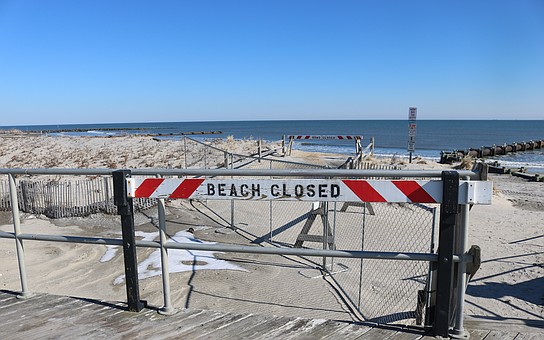
Coastal fog may look gentle, but it brings water droplets, salt, and cold air that slowly weaken automatic gate sensors, wires, and small moving parts. These problems appear more often near the ocean or in fog belts like Daly City, Pacifica, Half Moon Bay, Mill Valley, or fog covered parts of San Francisco. Below is a simple walk through of what happens to coastal gate sensors and why fog causes so many surprises.
Fog holds tiny drops of water. These drops settle on sensors, mounts, brackets, and gate posts. When the fog comes back again and again, the gate parts never fully dry. The surfaces stay damp for long periods. The water sits on the plastic and metal, making sensors lose accuracy and wires lose strength. A gate that works in the afternoon may not work the next morning because the fog has coated everything again.
Fog also brings cool air that makes metal get cold. When the sun comes out, the metal warms up fast. This hot and cold cycle makes parts swell a little and shrink a little. Over time, screws loosen, brackets shift, and small devices begin to wiggle out of perfect alignment. A sensor that was straight on Monday morning may be tilted enough by Saturday to cause a reading problem.
Optical sensors must see each other to work. One side sends a beam. The other side receives it. When fog rolls in, the lens gets a soft layer of water. That layer bends the light beam and makes the receiver think something is blocking the path.
Sometimes water gathers at the bottom of the lens and forms a tiny droplet. That droplet blocks the beam. The gate assumes a person or car is in the way, so it refuses to close. The red light on the sensor may blink, and the gate may open back up.
Near the coast, the fog also floats in the air between the sensors. The beam has to shine through thousands of fog droplets. These droplets scatter the beam. The gate may close halfway then stop. It might stay open and beep. The owner may think the motor is weak, but the real trouble is simple fog blocking the path of light.
Fog near the coast often carries salt. The salt sticks to tiny metal areas inside the sensor housing. These areas include terminals, screws, and small copper points. Salt attracts water and slowly makes these parts corrode. This is why many coastal homeowners see early gate sensor corrosion even on newer systems.
Corroded parts cause weak signals. A sensor may work well one day and fail the next. The connection may flick on and off when the salt builds up. Eventually the sensor stops working completely. Even inland spots can get this salty fog if the wind brings it far enough.
When the morning fog settles on the sensor lens, the gate reacts as if a person, pet, or car is blocking the path. The gate stops. It may reverse. It may freeze in the open position. These fake warnings cause confusion for many homeowners.
Moisture can also gather on nearby plants or garden edging. Droplets from those surfaces may scatter the sensor beam just enough to confuse the reading. These false warnings are very common along the coast, especially in neighborhoods that stay foggy until lunchtime. Many homeowners think the sensor is broken, but it is simply reacting to early morning moisture.
Every part of the Bay Area has its own tiny climate. One street can be warm and dry while the next is cold and foggy. A sensor adjusted in a dry inland shop may act differently once installed in a cool coastal yard. Even sensors adjusted on a warm quiet afternoon may drift out of alignment by the next fog filled morning.
Humidity affects the way the beam travels. Cold nights change the size of plastic housings. Fog droplets change the angle of the lens. These small shifts add up until the gate works differently than expected. Many sensors near the coast need more frequent alignment checks simply because the air changes so often.
The lowest layer of fog is usually the thickest. Sensors mounted close to the ground get hit with more moisture. These sensors get more condensation on the lens. The wiring near the ground also sees more moisture and more cold air. A slightly higher mounting choice can greatly reduce failures.
Low mounted sensors also sit near wet soil, puddles, irrigation, or plants. They face moisture from both above and below. This makes the sensor work harder and fail sooner. Raising the sensor a few inches can help it stay dry longer and work more reliably.
Budget sensors often use thin plastic shells and basic seals. Fog finds its way inside the sensor housing. Once inside, water touches wires and small electronic parts. The fog may seem gentle, but inside a sensor it can cause slow but steady damage.
Cheaper sensors also use basic lenses that fog up faster. Their internal boards may not have coatings that protect against moisture. These sensors may work fine in dry inland areas but fail quickly in coastal neighborhoods where fog is common. Higher quality sensors cost more, but they resist fog moisture better and last longer in salty, humid environments.
Moisture slowly moves through conduit openings, small cracks, and unsealed cable holes. The water follows the wiring path. Inside the conduit the water can gather and soak into the wire insulation. Over time, the copper weakens. The gate begins to show signs like random stopping, slow response, or blinking sensor lights.
A gate may open halfway and stop because the fog inside the conduit has weakened the signal. Many homeowners assume the motor is failing. Instead, the wiring has slowly absorbed moisture. Gate wires near the coast need better seals, high quality conduit, and careful routing to keep moisture out.
Swing gates spread out across a wider path. Their sensors often sit farther apart. This gives the fog more space to interfere with the beam. Swing gate sensors are also often mounted lower, so they face thicker fog layers and more condensation.
Sliding gates place sensors near the gate frame. This protects them a little from fog in the air. However, sliding gates have tracks that hold water. Brackets and posts near the track stay wet longer. Sensors near these spots face extra moisture. Sliding gate sensors can lose alignment faster because the track area often stays cold and damp.
If water gathers near the gate post, the humidity around the sensor stays high. When fog arrives, the post area becomes even wetter. Moisture clings to the brackets and slowly works inside the sensor housing. Poor drainage makes fog problems much worse.
Many gate posts near the coast sit in soil that stays soft and damp. Water from sprinklers or rain gathers at the base. Fog adds more moisture. The sensor never dries fully. The metal posts may rust. The sensor brackets weaken. Wiring inside the conduit stays damp. These combined problems shorten the life of the entire gate system.
Homeowners in fog zones can reduce sensor problems by choosing parts designed for wet environments. Better seals keep fog out of the sensor housing. Strong brackets resist movement from cold to warm cycles. High quality conduit keeps moisture away from wiring.
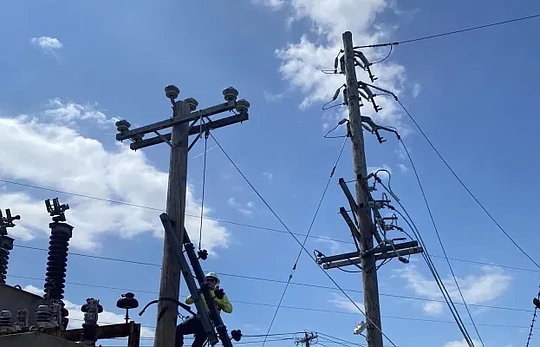
Raising the sensor height can help it stay dry. Adding small protective covers above the sensors keeps droplets off the lens. Using special coatings on brackets slows corrosion. Storm proof wire connectors also keep moisture from crawling into the signal path. These small upgrades help coastal access systems handle fog far better.
Fog causes symptoms that look like motor problems or electrical problems. A gate may stop halfway, shake, or refuse to close. Many homeowners think the motor is losing power. Others believe the circuit board is failing. Technicians unfamiliar with fog heavy areas may not notice the moisture layer or the salt stuck to the terminals.
Fog causes slow and inconsistent changes. A gate may work perfectly at noon but fail again at dawn. This makes the problem feel random. Owners may spend time checking remotes, batteries, or control boards when the real issue is the fog affecting the sensor lenses, wiring, or alignment.
Frequently Asked Questions (FAQ)
If you need help with fog related gate issues, The Expert Gate Company can check your sensors, wiring, brackets, and alignment. We service bay area gates in fog zones and can improve the setup for longer lasting performance.