Avoid rental car surprises with tips on damage coverage, inspection, and fair charges. Learn to spot minor paint damage and navigate disputes effectively.
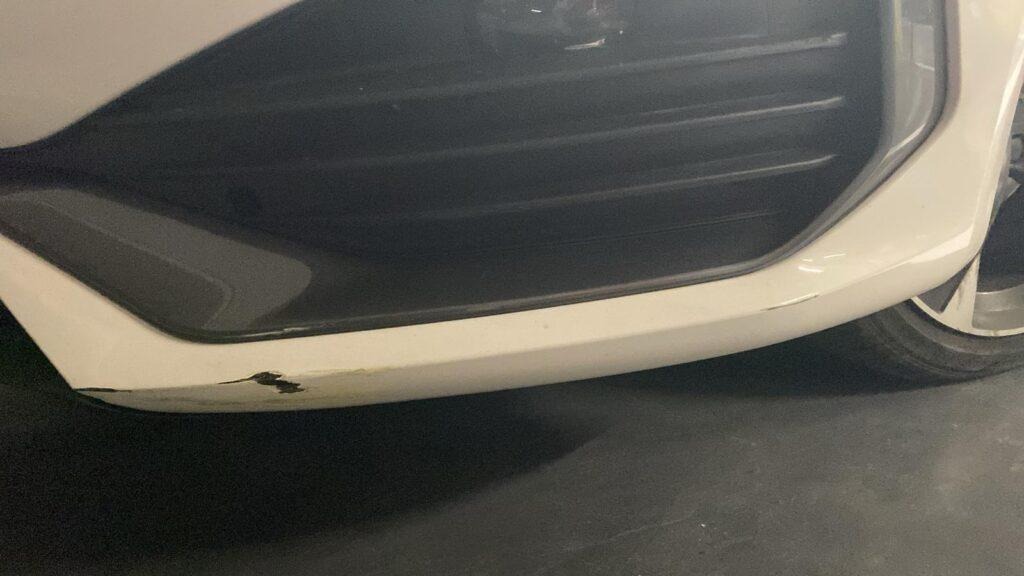
Renting a car should be a straightforward process that offers convenience and freedom. However, for many North Penn renters, minor paint damage has become a significant source of frustration. Imagine this scenario: You return your rental car, confident that you took great care. Yet, a few days later, you receive a charge for scratches you swore weren't there when you handed over the keys.
Susanne Scott, 56, of Lansdale, carefully inspected the silver sedan before driving off the lot. She photographed every angle with her phone - a habit she'd developed after hearing rental horror stories from friends.
Two weeks later, after returning from a peaceful Vermont vacation, Amy received a jarring email: $847 in paint damage charges. According to the rental company's AI scanner, she'd scraped the rear bumper.
"Impossible," Amy muttered, scrolling through her return photos. The bumper was pristine.
When renting a car, it’s easy to overlook the complex terms buried in the fine print. Yet, these details often hide surprise fees that catch many off guard. Rental companies often charge for minor paint damage, utilizing vague clauses about vehicle condition. According to a recent study by CarInsuRent, more than 60% of rental car damage claims are not at renters’ fault. This can result in unexpected fees that are tacked onto your bill without clear warning.
Understanding these potential charges begins with unpacking contractual language. Terms like “wear and tear” or “surface damage” may sound benign but can encompass minor scratches or dings. Without clarity on what qualifies as chargeable damage, renters end up footing the bill for things they might not even notice.
While many frustrations stem from unexpected charges for small scratches or chips during routine inspections, issues can escalate significantly if a rental vehicle isn't returned at all. For a recent example in the area, see this related local case where a rental car not being returned led to felony charges.
Minor paint damage may seem trivial to the average driver, but for rental companies, it's a notable concern. The main reason is the impact on resale value and rental appeal. Even minimal scratches or chips can affect the vehicle's appearance, making it harder to present as pristine to future renters. Rental companies strive to maintain fleet quality to uphold brand standards and customer satisfaction.
Financially, these companies face costs related to repairs - no matter how small the damage. Touch-up paint jobs or minor buffing services may sound inexpensive, but with multiple incidents across their fleet, costs can quickly escalate. This emphasizes their keen attention to seemingly inconsequential dents or scratches when assessing returned vehicles.
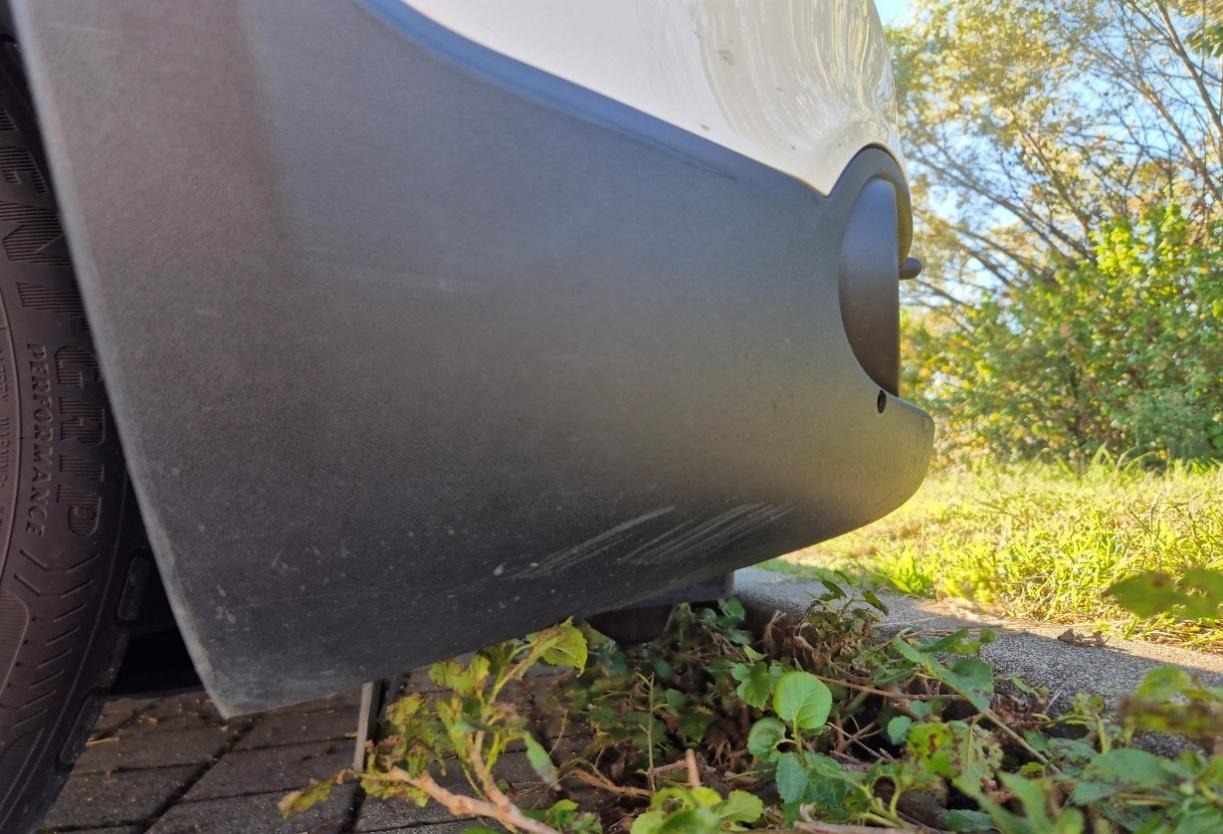
Bumper scuff
Before you hit the road in your rental car, a thorough inspection is crucial to avoid unexpected charges later. Start by examining the vehicle's exterior under good lighting conditions. Look for scratches, dents, and chips, particularly around the bumper, doors, and hood. Pay attention to wheel rims and side mirrors, as these areas also tend to endure wear and tear.
Dive deeper into the less obvious areas like the roof and under the bumpers. If the car is equipped with a sunroof, inspect it for cracks or chips. The tires deserve attention too; ensure they are not overly worn down or damaged. Finally, check the windshield and windows for any cracks or chips, since these are often common yet costly repairs.
Take clear photos of any damage you find, and make sure they're time-stamped for verification purposes. Sharing these images with the rental agent and having them documented in your rental agreement is a proactive step toward dispute prevention. This not only provides a record that you noticed and reported pre-existing damage but also helps establish trust with the rental company.
By being methodical in your inspection, you reduce the risk of being charged for damages you didn't cause and set yourself up for a smoother return process. This simple yet effective practice ensures you only pay for what you’re responsible for, adding peace of mind to your journey.
Use your mobile phone to take photos of existing damage of the rental car
Documenting everything before driving a rental car is a critical step to protect yourself from unexpected charges. In addition to photographic evidence, meticulous paperwork is key. Make sure to fill out the inspection form provided by the rental company, noting any pre-existing damage. Insist that the rental agent acknowledges these entries, either by signing the form or providing written confirmation.
Retain copies of any signed documents or forms that pertain to the rental agreement and the condition of the vehicle. This includes the rental contract, which should clearly outline any damage policies and coverage details. Keep these documents easily accessible, perhaps even as digital copies on your phone for quick reference.
This thorough documentation process not only empowers you to dispute any unwarranted charges but also fosters a transparent relationship with the rental company. By establishing an irrefutable record, you safeguard yourself against potential claims, ensuring a more pleasant rental experience.
Remember, diligent documentation is your best defence in navigating any conflicts regarding vehicle condition. It transforms a potentially contentious situation into one where clear evidence can swiftly resolve misunderstandings, saving you time and potential fees.
Effective communication with rental companies is essential, particularly when addressing damage disputes. When discussing disputes, present your case with organized documentation, such as photos and signed inspection reports. Ensure your records clearly demonstrate any discrepancies between reported and claimed damages. This clarity aids their staff in understanding your perspective and assisting in finding a resolution.
Be polite but assertive, emphasizing your awareness of your rights and responsibilities as a renter. Listening actively to their response is crucial, as it provides insight into their process and potential solutions. Knowing the names of representatives and following up, if necessary, can ensure continued attention to your case.
If an issue remains unresolved, request to escalate the matter to a manager or seek mediation through consumer protection agencies. Addressing concerns at higher levels often introduces additional expertise that can mitigate stalemates.
Effective communication not only helps clarify misunderstandings but also strengthens your position in potential disputes. By fostering a cooperative yet firm demeanour, you increase the likelihood of an amicable and fair outcome.
If you find yourself unfairly charged for rental car damage, several options can protect your interests. First, contact the rental company directly to dispute the charge. Present any evidence you've collected, such as time-stamped photos and documentation from the initial inspection. Maintaining a polite yet firm tone can encourage cooperation from customer service representatives.
Should direct negotiation fail, consider reaching out to your credit card company, especially if they offer rental insurance coverage. Many credit cards provide assistance by mediating disputes or even covering damage costs, depending on their terms.
Another option is to engage with consumer protection agencies, which can offer guidance and intervene in disputes. These organizations have resources that assist in mediating claims and ensuring fair treatment by the rental company.
Finally, if necessary, legal action may be a last resort. Small claims court could be an option if the charge is substantial and remains unresolved. Engaging a lawyer for legal advice can help you understand your case's viability and potential costs.
Exploring these avenues can help resolve unfair charges, ensuring you only pay for what you're genuinely responsible for. Empowering yourself with knowledge about these options provides peace of mind and instils confidence that you have recourse against unjust fees.
Understanding the types of coverage available for rental cars is crucial in minimizing unexpected costs. The Loss Damage Waiver (LDW) and Collision Damage Waiver (CDW) are popular options offered by rental companies. Although not technically insurance, these waivers relieve you from financial responsibility for damage to the rental car, allowing you to waive liability for repairs or replacement.
Other coverages like Supplemental Liability Insurance (SLI) and Personal Accident Insurance (PAI) offer protection against third-party claims and medical expenses, respectively. These are particularly useful if your personal auto insurance policy has limitations on rental car use.
Opting for such coverages can be beneficial, especially if you lack comprehensive personal auto insurance or are nervous about potential liabilities. Carefully weigh the costs and benefits of each type based on your travel needs and risk tolerance. According to Gil Farkash, CEO at CarInsuRent, a global provider of rental car excess insurance, “Having the right rental car coverage is essential for protecting yourself financially and avoiding unexpected out-of-pocket costs when something goes wrong on the road “.
By selecting the right coverage, you enhance your peace of mind while on the road. This preparation allows you to focus on your travels instead of worrying about unforeseen expenses.
Your personal auto insurance policy might offer valuable protection when you rent a car, potentially saving you from additional coverage costs. Many policies extend the same coverage to rental cars as your own vehicle, including liability, collision, and comprehensive coverage. This means if you have adequate protection at home, you might not need to purchase extra waivers or insurances from the rental company.
It’s important to contact your insurance provider directly to confirm the specifics of your coverage. Ask about any limitations or exclusions that might apply, such as restrictions on rental duration or geographic coverage. Understanding these details can prevent costly mistakes if an incident occurs while you're on a trip.
Attempting to conceal a scratch or any other damage on a rental car can lead to significant repercussions. Rental companies conduct thorough inspections upon vehicle return, often using trained staff who can spot even minor discrepancies. According to Gil Farkash: “If you're caught trying to hide damage, you risk paying hefty repair fees, which could be inflated due to administrative charges or penalties”.
Moreover, your attempt to cover up the damage can result in a breach of your rental agreement, potentially leading to added legal complications. The rental company may charge your credit card directly for the damage, bypassing any further mediation, and possibly increasing costs far beyond the actual repair.
Your actions may also be recorded in national databases for rental agencies, which can affect your ability to rent vehicles in the future. A record of deceit can mark you as a high-risk renter, making rentals more expensive or difficult to obtain.
Furthermore, hiding damage intentionally undermines the trust between renter and rental agency, complicating future interactions. It's always better to report issues immediately to engage in a constructive dialogue with the rental company.
Choosing transparency over concealment not only preserves integrity but also ensures a fairer resolution of the situation. It's wiser to deal head-on with any issues that arise during your rental period. By doing so, you maintain a good relationship with rental agencies and avoid becoming entangled in financial and reputational consequences.
Selecting a reputable rental agency in North Penn can make a significant difference in your rental experience. Local reputation often reflects the quality of service and fairness in dealing with customers. Trusted rental agencies typically gain their status through consistent, reliable service and transparent billing practices, which reduce the likelihood of disputes or unexpected charges.
When choosing a rental company, consider seeking recommendations from locals or conducting online research to read customer reviews. Websites such as Yelp or Google Reviews provide insights into past customers’ experiences, highlighting both positive feedback and recurring complaints. Look for agencies that are praised for their customer service, integrity, and fair pricing.
By prioritizing an agency with a solid local reputation, you set the foundation for a smoother, more pleasant rental experience. This decision lessens the chance of encountering hidden fees or unsatisfactory service, ensuring your rental period is hassle-free. Ultimately, doing your homework in choosing a reputable rental agency can lead to more reliable vehicles and customer-first service, making your trip stress-free from start to finish.
To sidestep unexpected rental fees, follow these best practices when renting a car. First, always inspect the vehicle thoroughly before driving off. Document any pre-existing damage with time-stamped photos and ensure they're acknowledged by the rental agency. Noting these details can prevent disputes later.
Understand the rental terms thoroughly by reading the contract fine print, especially concerning fuel policies and mileage limits. Returning the car with the right fuel level and within agreed mileage can help you avoid extra charges. Opt for prepaid fuel options only if they offer a clear financial advantage based on your itinerary.
If you're provided with additional optional services such as GPS or toll devices, ensure you need them; declining unnecessary extras can significantly cut costs. Double-check your travel insurance or credit card policies to avoid purchasing duplicative coverage.
When returning the vehicle, ensure it's on time and within official working hours to avoid "after-hours" charges. Providing a clean vehicle manual can also prevent cleaning fees.
Lastly, keep all receipts and contracts until after your credit card statement reflects the expected final charges, confirming no unwarranted fees were applied. [Include customer testimonial describing positive outcomes from following these best practices] By adhering to these strategies, you can keep your rental costs under control and ensure a straightforward experience. Careful attention to these details prevents surprises, allowing you to focus on enjoying your trip without financial worries.