As global energy demands rise and sustainability becomes a top priority, businesses and governments are actively seeking smarter, cleaner, and more flexible energy systems. Traditional power infrastructure often falls short due to high costs, limited scalability, and environmental impact. This is where a modern solar power solution like a power container comes into play.
A power container is redefining how energy is generated, stored, and deployed especially in remote, industrial, and off-grid environments. In this article, we’ll explore how a power container enhances energy efficiency, why it’s gaining global adoption, and how it delivers long-term value as a future-ready energy solution.
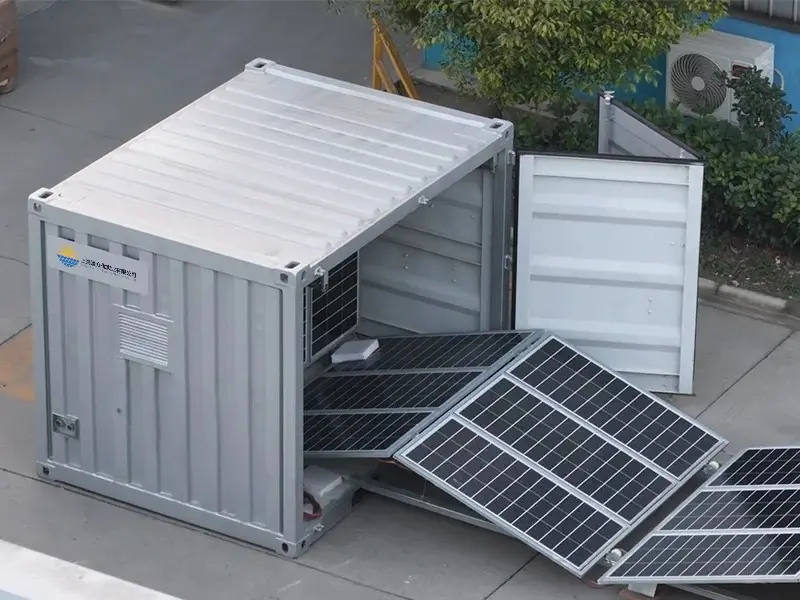
A power container is a self-contained, modular energy system typically housed within a modified shipping container. It integrates solar panels, battery storage, inverters, control systems, and monitoring software into a single, transportable unit.
Unlike conventional power setups that require extensive infrastructure, a power container offers a plug-and-play solar power solution designed for rapid deployment and optimal energy performance.
Learn more about a complete solar power solution designed for modern energy needs.
Energy efficiency is not just about producing power—it’s about maximizing output while minimizing waste, losses, and costs. A power container excels in all these areas.
Power containers are engineered to capture the maximum amount of solar energy using high-efficiency photovoltaic (PV) panels. These panels are often adjustable or sliding, allowing optimal sun exposure throughout the day.
This ensures:
One of the biggest challenges with renewable energy is intermittency. Power containers solve this with advanced battery storage systems, allowing excess energy to be stored instead of wasted.
By storing unused solar energy, power containers significantly increase overall system efficiency.
Traditional energy systems suffer from transmission losses when electricity travels long distances. A power container generates and consumes energy locally, which means:
Additionally, high-quality inverters and energy management systems ensure efficient power conversion, reducing losses during DC-to-AC transformation.
Modern power containers are equipped with intelligent monitoring and control systems. These systems analyze energy production and consumption in real time, automatically optimizing performance.
This level of automation ensures that every unit of energy is used efficiently, lowering operational costs and improving reliability.
Energy efficiency isn’t static—it evolves with demand. A major advantage of a power container is its modular architecture.
This allows users to:
Scalability ensures that energy systems remain right-sized, preventing waste and inefficiency.
Traditional solar or power installations can take months or even years to become operational. Power containers are pre-engineered and factory-tested, enabling deployment within days or weeks.
This makes power containers ideal for emergency power, construction sites, mining operations, and remote communities.
Power containers are built to perform in extreme weather conditions, including high temperatures, dust, humidity, and limited infrastructure.
Their rugged design ensures:
Durability directly contributes to energy efficiency by minimizing downtime and performance degradation.
A power container is not just energy-efficient it’s environmentally efficient.
By replacing diesel generators or grid-dependent systems, a solar power solution based on power containers dramatically reduces environmental impact while delivering clean energy.
Power containers are transforming energy efficiency across multiple industries:
For example, advanced systems like the power container with sliding solar panels offer superior space utilization and energy capture.
Energy efficiency isn’t just about performance it’s also about cost savings.
Over time, a power container becomes a self-sustaining asset, delivering measurable financial and operational benefits.
As energy systems evolve, flexibility, sustainability, and intelligence are becoming non-negotiable. Power containers meet these demands by combining renewable generation, storage, and smart control in one efficient system.
They align perfectly with global goals for:
A power container is more than just a piece of equipment it’s a complete, high-performance solar power solution designed for maximum energy efficiency. By reducing losses, optimizing generation, storing excess energy, and enabling smart management, power containers offer a cleaner, smarter, and more economical way to meet modern energy needs.
Whether you’re powering a remote site, reducing operational costs, or transitioning to renewable energy, a power container provides efficiency without compromise.
Ready to enhance your energy efficiency with a future-proof solution?
Explore advanced solar power solutions and discover how a power container can transform your energy strategy today:
https://www.thesolarcontainer.com/solar-containers/