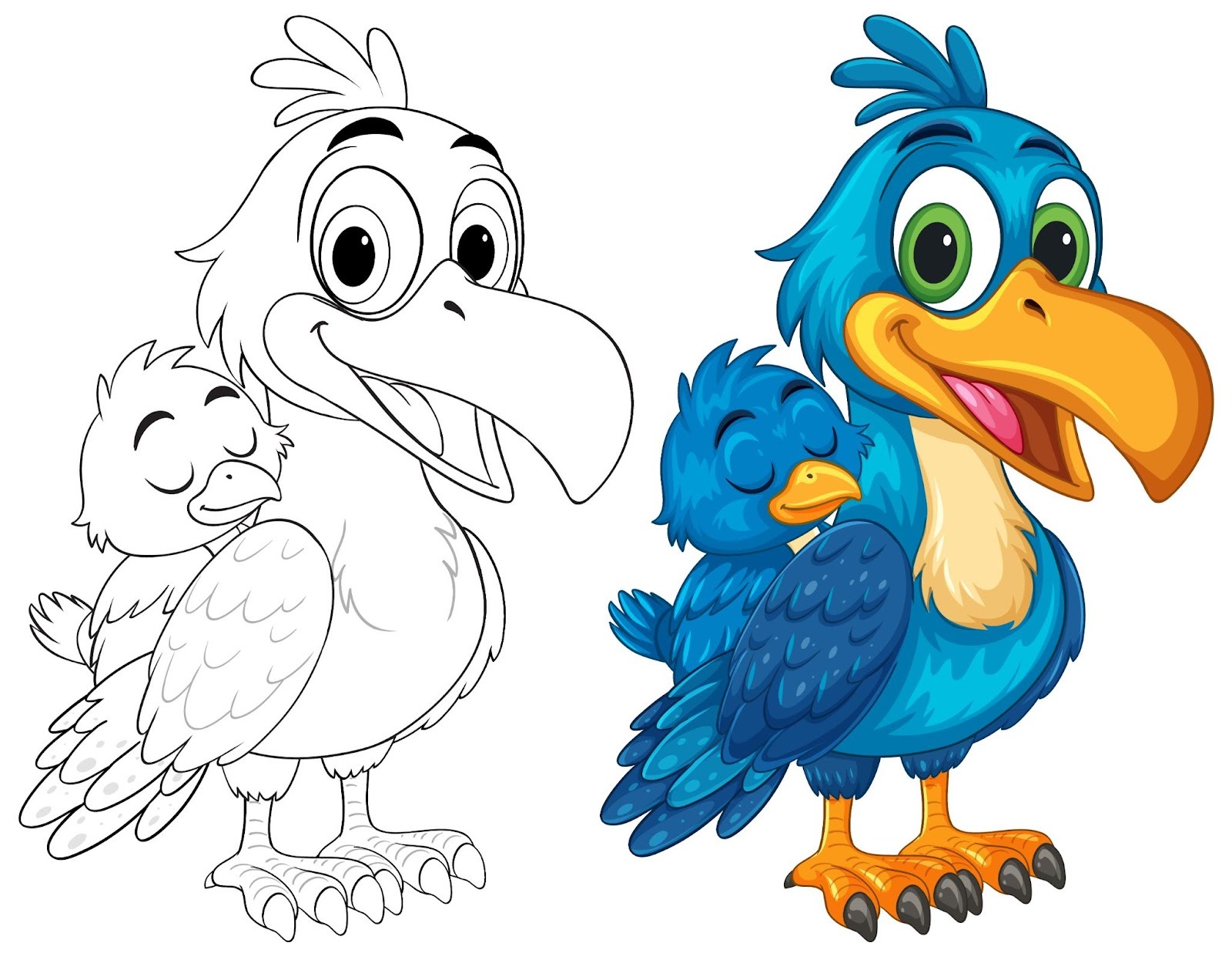
Educational apps always seem impressive at first. Parents see the bright screens, the cheerful voices, and the promises about faster learning. It feels like these apps should help kids pick up letters, numbers, and all kinds of early skills. On paper, it sounds almost perfect. Many even think using a coloring page inside an app is enough to build skills, but the reality turns out very different.
But after a while, many parents start noticing something strange. The kids use the apps regularly, yet their basic skills don’t look any better. Handwriting still looks uneven. They still lose focus easily when doing homework. The progress everyone expected doesn’t really show up, even after months. Some even try built-in digital coloring pages, but those also fail to support real development.
Because of this, quite a few families are quietly going back to something much simpler. Instead of apps, they’re printing a download coloring page from a regular website. Kids are spending more time with crayons and paper. And honestly, the results are surprising in a good way.
It turns out that these simple activities are doing a better job than the expensive educational tools in areas that truly matter for child development.
Most of these apps talk about improving reading, boosting memory, or helping kids learn math faster. The descriptions sound scientific, almost like mini classrooms inside a device. Parents feel hopeful, especially because the apps aren’t free. If it costs money, it should work, right?
But things don’t go that way for most families.
What Really Happens
Many studies show that kids mostly learn the app itself, not real-life skills. They learn which button triggers the fun sound or which pattern gets them the reward. But this doesn’t help them write better or solve problems outside the screen. Even when an app tries to use a digital printable coloring page format, the child still taps instead of creating.
Another issue is how passive screen learning feels. Kids watch and tap, but they don’t create much. Coloring a letter with a pencil uses real muscles and focus. Tapping a glowing letter doesn’t give the same effect at all.
Apps often give too much help too quickly. They correct mistakes instantly and guide every step. Kids don’t get the chance to make small errors or struggle a little, the experiences that actually help them grow.
When a child colors, they control everything. They choose a color. They adjust the pressure. They decide where to start and how much time to spend. Every tiny decision keeps their brain active. A simple get coloring page printed from home can support this.
There’s no flashy animation doing the job for them. No hint is popping up every few seconds. The child has to stay present, and that builds stronger thinking habits.
Real Physical Skill Building
Holding a crayon strengthens the same muscles needed for writing. The grip kids naturally use while coloring is exactly what they need later for pencils.
Tapping on a screen doesn’t build these skills. It’s too easy and too repetitive. Many children who spend more time on screens show slower handwriting development because their hand muscles simply don’t get enough work.
Coloring also improves hand–eye coordination. Staying within the lines forces both eyes and hands to work together. This helps with reading, sports, and even daily tasks.
Apps often push children to move fast. Timers, points, and levels make kids rush. The goal becomes finishing instead of understanding.
Coloring pages remove all that pressure. Kids take their time. There’s no “next level” waiting. This calm pacing is better for long-term learning and confidence.
The Focus Advantage
Apps constantly change scenes, colors, sounds, and animations. This trains kids to expect quick stimulation. They get used to switching attention fast, not sticking with one thing.
Coloring does the opposite. It encourages long, steady focus. One drawing could require fifteen or twenty minutes of continuous attention. With time, children also learn to focus on schoolwork.
Coloring is also relaxational. Most parents have observed that children appear more relaxed after coloring, compared to the unnatural sensation screens may produce.
There is typically one correct answer to apps. Children only do the trick to make the app happy.
It does not happen that way with coloring. No bad choice of colors. Children are allowed to create a blue sky or an orange elephant. Such open-ended exercise develops creativity and flexibility of thought.
They also come up with their own stories when coloring. Apps provide them with ready-made characters, whereas coloring leaves their imagination to breathe. Any simple coloring page printed at home makes this possible.
The Social Side
Most apps isolate children, even when they are sitting next to one another.
Coloring frequently occurs with siblings, parents, or friends. Children clean up and share crayons, discuss their drawings, and observe how others do things. It is these little moments that enable them to learn socially better than screens.
Applications are expensive due to subscriptions and in-app purchases. The pages to be colored are normally free to print. A box of crayons lasts months. Parents often download coloring page files as needed, without paying extra.
Coloring also clears up the screen time. It implies a healthier sleep, less strain on the eyes, and fewer behavioral problems associated with excessive use of a device.
And, of course, there are no technical issues with coloring. No updates, no charging, no crashes, simply paper and crayons like always.
Educational applications are a fast way to learn, but not all of them can assist more advanced skills that children require. Coloring, though easy, aids in building focus, creativity, coordination, and confidence. It is not about leaving technology altogether; it is about making a decision about what really makes a difference in the formation of children in the real sense.