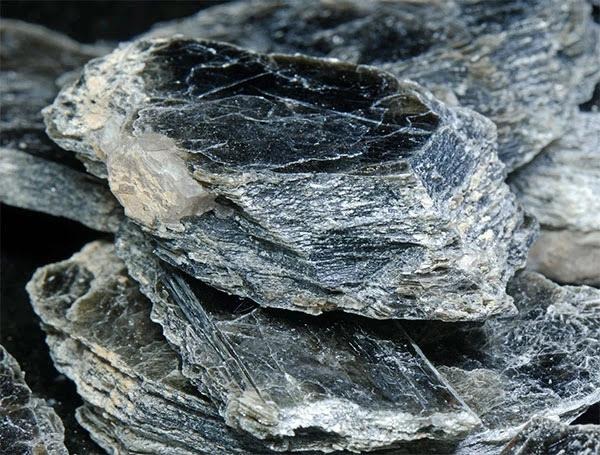
Mica is renowned for its outstanding insulation properties and thermal resistance, making it a popular choice in electrical and electronic applications. However, to maintain its performance over time, proper storage and maintenance are essential, particularly in preventing moisture-induced degradation. In this article, we will discuss effective strategies to protect mica products from moisture and ensure their longevity.
Moisture can severely impact the insulation performance of mica products. When mica is exposed to damp environments, it can absorb water, leading to a decrease in its electrical insulation capabilities. This absorption may result in dielectric breakdown, increased conductivity, and ultimately, failure of the insulation. Therefore, implementing proper storage practices is critical for maintaining the integrity of mica products.
The first step in preserving mica products is to store them in a dry, climate-controlled environment. Ideally, the storage area should have a humidity level below 50%. Utilizing dehumidifiers can effectively reduce moisture levels, particularly in regions with high humidity.
Storing mica sheets and other products in airtight containers can prevent moisture exposure. Consider using vacuum-sealed bags or containers that prevent air and moisture infiltration. This extra layer of protection is vital, especially for mica used in critical applications where insulation performance is paramount.
While mica is stable under high temperatures, prolonged exposure to direct sunlight can degrade its properties. Store mica products in shaded areas or opaque containers to protect them from UV radiation, which may weaken the material over time.
Temperature fluctuations can also contribute to moisture absorption. Storing mica products at a consistent, moderate temperature helps prevent condensation, which can exacerbate moisture-related issues. Aim for a stable room temperature, ideally between 20°C and 25°C (68°F and 77°F).
Regular inspections of stored mica products are essential. Look for signs of moisture damage, such as discoloration or deformation. Early detection can help mitigate issues before they compromise the product's integrity.
In addition to maintaining low humidity levels, consider placing desiccants, such as silica gel packs, in storage containers. These can help absorb any residual moisture, providing an extra layer of protection against humidity.
When handling mica products, ensure that your hands are dry and clean. Oils and moisture from hands can transfer to the surface of mica, potentially affecting its insulation properties. Use gloves where necessary, particularly when handling sensitive or high-performance mica applications.
Maintaining the insulation performance of mica products is crucial for their effectiveness in electrical and electronic applications. By following the recommended storage practices—such as keeping them in dry environments, using airtight containers, avoiding direct sunlight, and maintaining stable temperatures—users can prevent moisture-related insulation degradation. Regular inspections and the use of desiccants will further enhance the longevity of mica products.
For high-quality mica sheets and further information on proper storage and maintenance, check out Pjyfym Mica Products or explore a variety of mica options available here. Protecting your mica products not only ensures their durability but also enhances overall performance in critical applications.