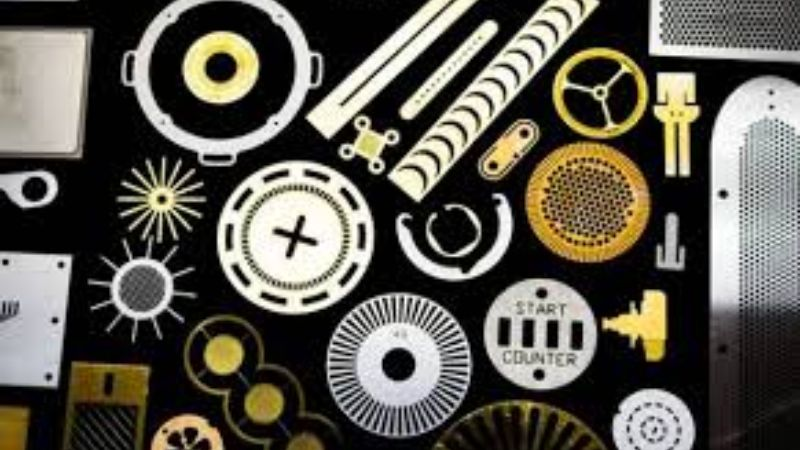
Chemical etching (also called photochemical etching, photo etching, or chemical milling) is a precision manufacturing method used to produce intricate metal components without the mechanical stresses of stamping, punching, or machining. It’s widely used for fine features, tight patterns, meshes, shims, EMI/RFI shields, lead frames, decorative parts, and many other high-accuracy applications.
A key factor in etching success is choosing the right metal—because every alloy responds differently to common etchants, and material properties directly affect etch rate, edge definition, undercut, surface finish, and end-use performance. Below is a professional, practical overview of the most common metals used in chemical etching processes, why they’re selected, and what to consider before you send a drawing to production.
In a typical photochemical etching workflow, your CAD pattern is transferred onto a photoresist applied to a metal sheet. The exposed areas are developed so the unwanted metal can be dissolved by an etchant (often ferric chloride in many industrial setups), and then the resist is stripped to leave the finished geometry. Because the metal is removed chemically—rather than cut with force or heat—etched parts are often described as burr-free and stress-free, making the process ideal for delicate designs.
While “almost any metal can be chemically etched” with the right chemistry and controls, some materials are easier, faster, and more economical to etch than others. Metal selection influences:
If you’re producing precision parts at scale, choosing the right alloy can be the difference between a smooth production ramp and constant redesign iterations.
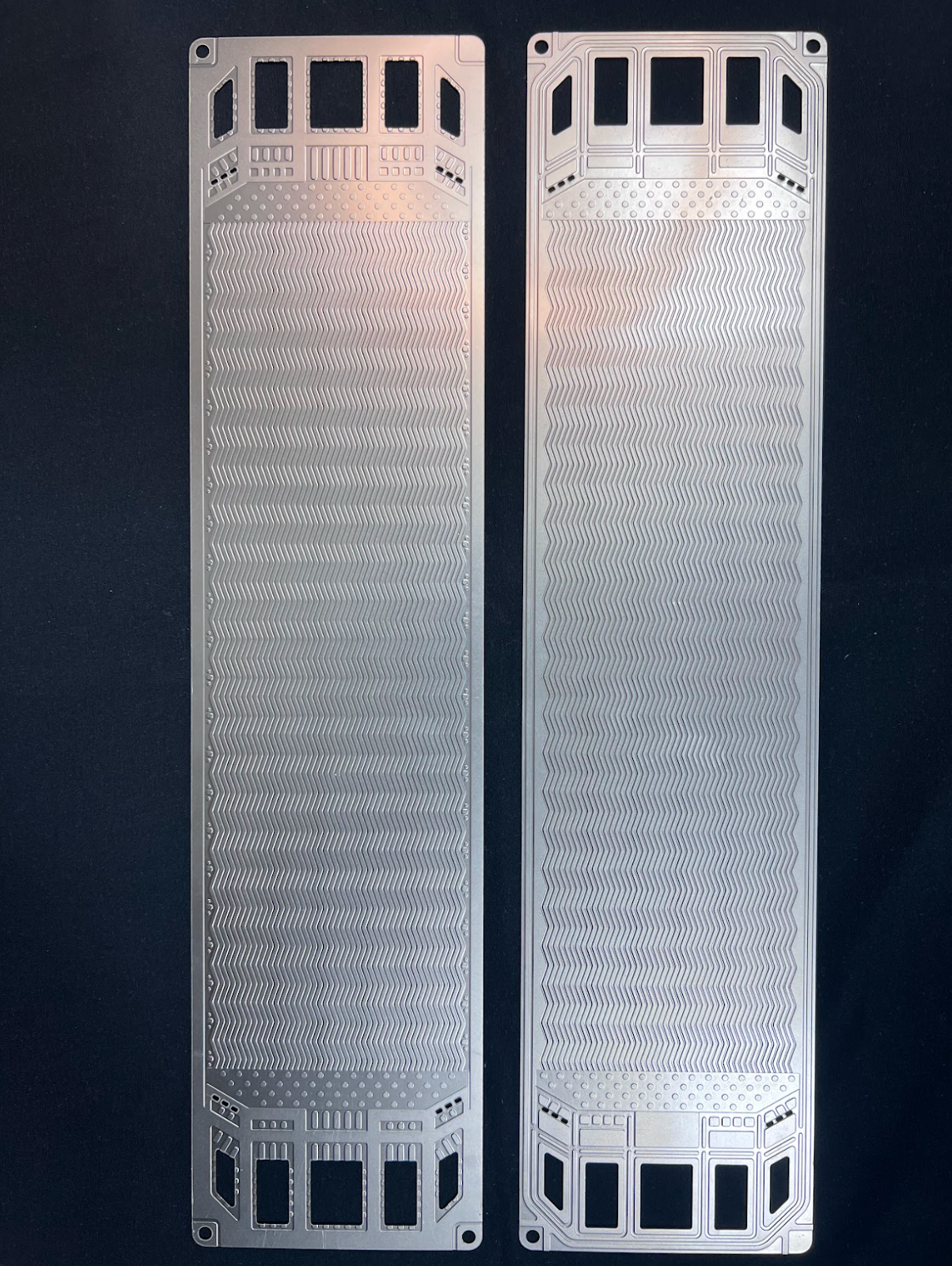
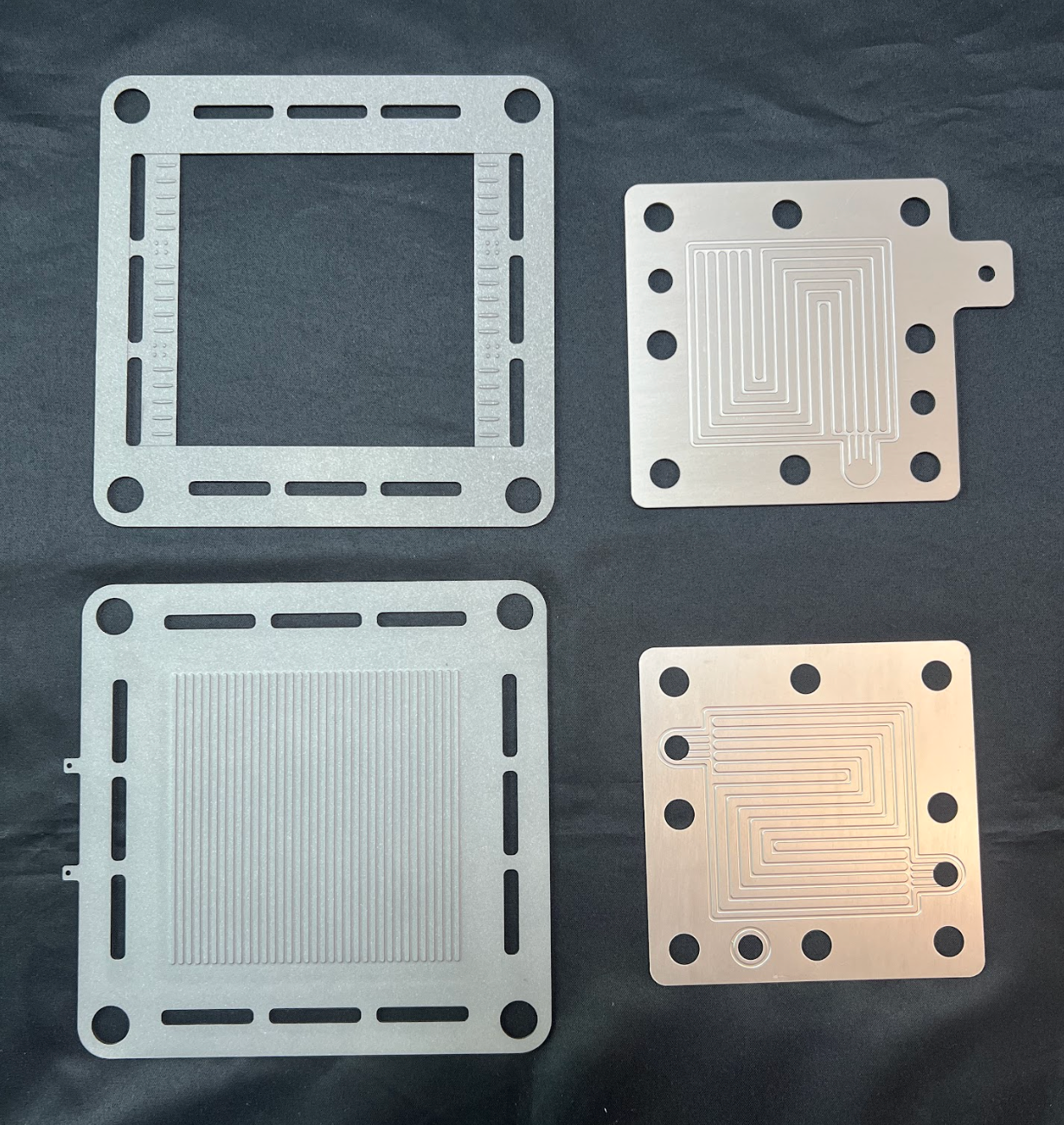
Stainless steel is one of the most frequently photo-etched metals because it offers strong corrosion resistance, good mechanical strength, and broad industrial acceptance. It’s commonly used in metal mesh filters, shielding components, precision fuel cell bipolar plates, shims/spacers, and medical or aerospace-adjacent parts where durability matters.
From a process standpoint, stainless steel is often etched using ferric chloride in industrial chemical etching lines, and experienced process control is important—especially in volume manufacturing—to optimize consistency and detail.
Copper is widely used in etched parts for electronics because it’s highly conductive, ductile, and easy to form into precise 2D/3D component geometries. Copper etches relatively quickly in standard chemistries, and chemical etching can reduce the risk of distortion that sometimes occurs with contact-based machining.
Copper is also the foundation material behind many electrical and thermal applications, including fine patterns and thin metal designs.
Brass and bronze are etched extensively for electrical, mechanical, and decorative purposes. These copper alloys are common choices when you want a balance of conductivity, spring properties (depending on the alloy), and visual appeal.
In many copper-alloy etching scenarios, cupric chloride is commonly used for copper-based materials, with industry references noting its ability to support fast etch rates and controlled undercut when managed properly.
Aluminum is frequently etched when lightweight performance, corrosion resistance (in many environments), and manufacturability are priorities. It’s common in electronics, industrial components, and applications where mass reduction matters.
Aluminum is also commonly listed among the mainstream materials used in chemical etching operations, alongside stainless steel, copper alloys, and nickel alloys.
Nickel is valued for heat and corrosion resistance. Nickel and nickel alloys are commonly etched for demanding environments, shielding, and applications that need stable performance under temperature or corrosive exposure.
Some nickel alloys (for example, high-nickel families used in high-temperature settings) can be more challenging than basic materials because the same corrosion resistance that makes them useful can also slow the etching reaction. However, they remain important for specialized precision parts.
Titanium is often discussed as an etchable metal, but it typically belongs in the “high-value, application-driven” category (medical, aerospace, and other performance-critical sectors). The right partner and proper chemical handling matter more with titanium than with everyday stainless or copper.
Some industry discussions also note that etching certain metals may require more hazardous chemistries and advanced safety containment—another reason to work with experienced etching specialists when titanium is in scope.
Beyond the mainstream materials above, many suppliers also etch molybdenum, kovar, and even nitinol, depending on equipment, chemistry, and application requirements. These materials show up in specialized industrial, electronics, and engineered-component use cases where you’re optimizing for thermal behavior, sealing, expansion compatibility, or mechanical response.
If you want better yield and cleaner features, these guidelines are commonly helpful in etched-part projects:
If you’re looking for a supplier to produce custom etched metal parts with photochemical etching, TMNetch positions itself as a specialized provider of photochemical etching services and related metal machining support.
TMNetch may be relevant if your project needs:
Chemical etching is a powerful solution for manufacturing intricate metal parts—especially when you choose the right material. In most production environments, stainless steel, copper (and copper alloys like brass/bronze), aluminum, and nickel alloys cover the majority of etched component needs, while titanium and specialty metals come into play when performance requirements justify them.
If you’re sourcing a supplier, focus on the intersection of material compatibility, thickness/tolerance capability, turnaround time, and post-processing support—and consider specialists like TMNetch chemical etching service when your design demands high precision and rapid iteration.