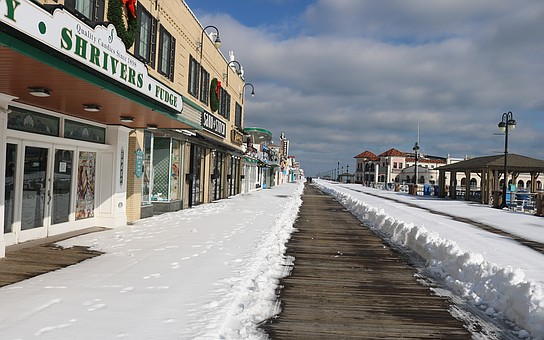
The winter season here in North Penn is known for being wildly unpredictable as cold snaps tend to place intense strains on residential heating systems.
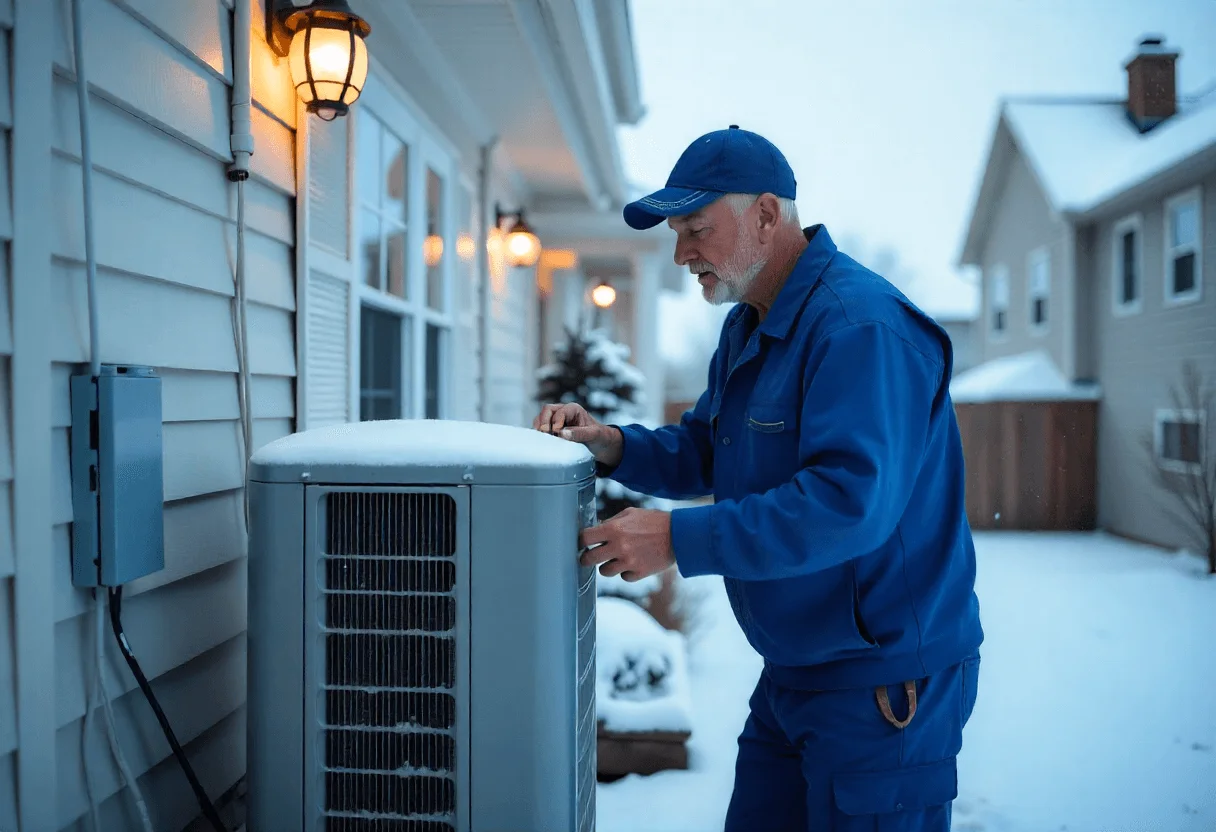
When temperatures drop in your area, your property’s HVAC system is inevitably going to work a lot longer and harder than usual. This subsequently increases the overall likelihood of breakdowns, which can be particularly problematic when winter weather is doing what it does best.
We recently interviewed an award-winning HVAC contractor in Denver, Colorado that knows a thing or two about winter-related heating repairs to get a deeper glimpse into what our local homeowners should keep in mind in terms of how system failures occur and what the proper responses are.
So, check out the below sections to see what you can do this season to make a significant difference in terms of your home’s HVAC safety, comfort and repair costs!
Residential heating systems here in North Penn are continuously running for weeks on end during the winter season.
This sustained demand often exposes all sorts of underlying dilemmas that might’ve gone by unnoticed during the fall. Some examples of components that typically experience wear and tear during the winter include:
In homes with aging HVAC systems over 15 years old, this time of year can be particularly challenging. Older equipment can struggle to keep an entire home at a consistent temperature, and all sorts of other small repairs can easily escalate into system failures when old systems get pushed to their limits.
By far one of the most common causes of HVAC issues during the wintertime is restricted airflow.
Dirty filters are known to reduce a system’s efficiency by forcing it to work a lot harder than it’s actually supposed to, which increases overheating and shutdown risks. Blocked or frozen vents and ducts will also frequently interfere with a home’s airflow, and this is especially the case during severe cold spells.
Thermostat malfunctions are another very common issue this time of year. Your system’s thermostat can potentially experience weakened batteries due to cold weather, and faulty thermostats are known to inaccurately communicate with the rest of a heating system.
Some other common HVAC breakdown causes that North Penn homeowners should know about include worn belts, electrical issues, and failing sensors that are easily more likely to be recognizable during winter operations.
It’s also very important for North Penn homeowners to understand how HVAC breakdowns very rarely occur without any warning signs.
This is why local homeowners should pay extra close attention to red flags like strange noises. This includes any rattling, banging or squealing sounds coming from your system that are often associated with mechanical issues.
Uneven heating throughout rooms in a home is also a major signal of system balance or airflow issues that need to be professionally addressed.
Rising energy bills when you haven’t changed your daily habits can also indicate efficiency declines within your HVAC system. During the winter months, these red flags become especially important because delaying repairs can sometimes lead to sudden failures when the weather gets extremely cold!
When your heating system fails during the winter season, it’s a lot more than your average inconvenience—because it’s actually a huge risk to your family’s safety.
Being exposed to cold indoor temperatures for prolonged periods of time is especially dangerous for older adults, young children and pets. And in some severe cases, frozen pipes can become a major concern when homes go without heat for extended periods during cold spells.
For homeowners here in the North Penn region, it’s critical to respond as quickly as possible. Winter breakdowns often occur at the exact same time that local HVAC contractors are at their busiest, so there can be longer wait times if you don’t get lingering issues promptly figured out…
There’s absolutely no denying how preventative maintenance is the most effective way for homeowners to avoid HVAC breakdowns during the winter season.
By scheduling an inspection appointment with your local technicians in the early winter, you’ll be better able to identify airflow issues, worn components, and all sorts of efficiency concerns.
Homeowners themselves can also take on simple DIY steps like regularly changing air filters, monitoring thermostat performance, and ensuring that all vents remain clear. These small actions end up going a long way to reduce system straining and improve overall reliability when needed most!
When sudden breakdowns occur this season, the first thing you should do is double-check basic issues like tripped breakers or thermostat settings. If your problems persist after these DIY checkups, be sure to contact a licensed HVAC contractor as soon as possible.
Although you can use alternative heat sources until your system is back up and running, you should do so very cautiously. Space heaters are a decent temporary fix, but they come with specific safety guidelines that must be met in order to avoid fire hazards.
Allowing sunlight into your home during the day and keeping interior doors open will also help you retain as much warmth as you can until your HVAC repairs are finalized.
It’s always stressful when you experience wintertime HVAC breakdowns, but proper preparation can reduce the overall impact of these dilemmas.
For homeowners in the North Penn region, recognizing warning signs, understanding common causes, and early action can ultimately prevent minor HVAC dilemmas from spiraling into major concerns.
And as we head into the beginning of 2026, now is the perfect time for local homeowners to do what’s needed in order to ensure peace of mind throughout the next few cold months!