If you run a shoe store, a retail chain, or an online brand, you’ve probably seen this problem: customers buy shoes, but they don’t buy the “care” items. As a result, shoes look dull fast, people complain, and you miss an easy add-on sale. Also, many businesses don’t know which shoe care products are truly worth stocking in 2026, so they either buy random items or skip the category completely.
This guide fixes that. In simple terms, you’ll learn the shoe care products that almost every retailer and brand should carry, based on real customer needs and what sells well. We’ll start with the core foundation, wax-based shoe polish, and then cover the fast-selling convenience upsell items like quick shine solutions, so you can build a lineup that brings repeat sales and more customer trust.
This guide is for business buyers who want a shoe care lineup that sells and makes sense. If you sell shoes, you can use them, even if shoe care is not your main focus.
If you nodded while reading this, you are in the right place. Also, if your store has a checkout counter, shoe care can turn it into a small “profit corner” without taking much space.
Many businesses stock shoe care in a random way. Then, items sit on shelves, and buyers say, “Shoe care doesn’t sell.” However, the real issue is usually the wrong category choice, not the whole market.
Use this quick checklist before you add a product:
If a product checks most of these boxes, it belongs in your core lineup. If it fails most of them, it may still work, but only for a very specific store type.
Before you buy anything, it helps to see the whole lineup in one place. So here’s a simple map you can use for planning your shelf, your bundles, and your next purchase order.
If you want a simple starting point, pick one strong “core” item and one “fast” item first. Then, add 1 to 2 support products to round it out.
Wax polish stays popular because it works. It brings back shine, covers small scuffs, and helps leather look “new” again. Also, it creates repeat sales because people need it again after a few uses.
You do not need fancy words here. You need results that stay consistent.
Look for these basics from a supplier:
Start small, but start smart.
Polish sells better when you make it easy for the shopper.
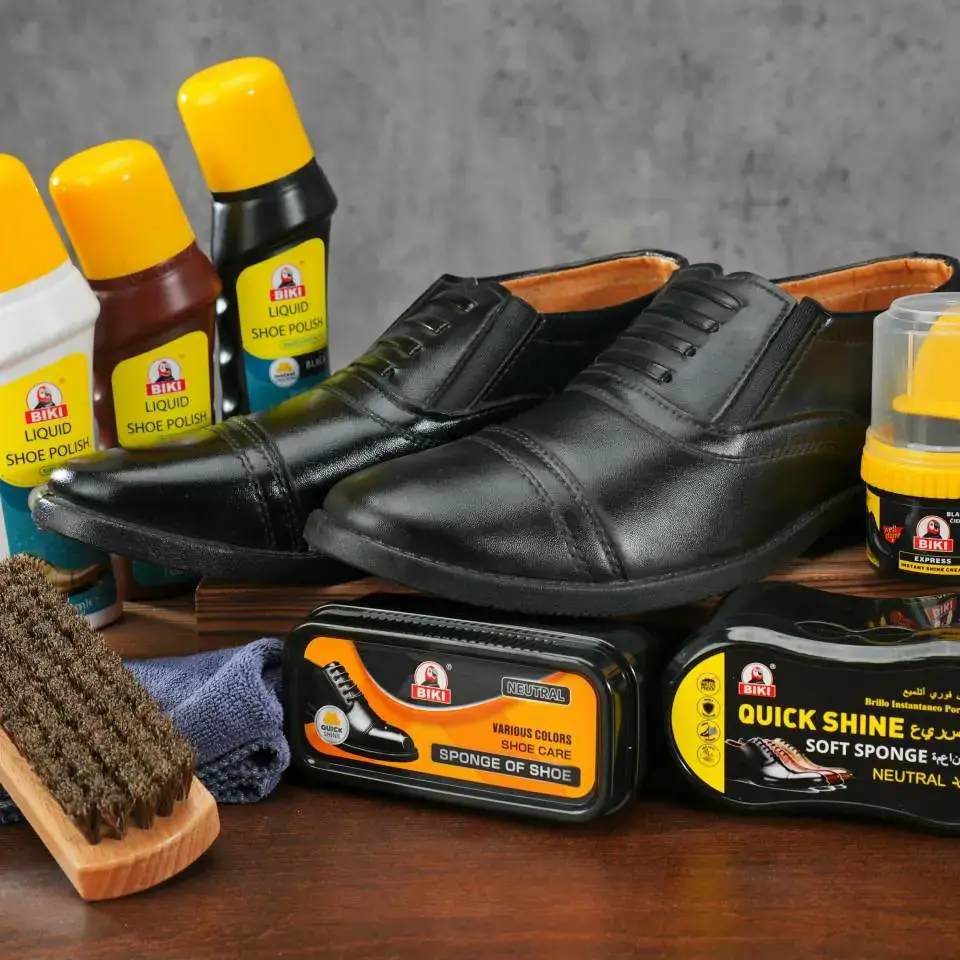
When you choose a supplier, use a clear standard for formula quality and materials. For example, biki shoe polish is a strong reference point for the kind of wax polish businesses should look for, because it fits what a serious retail lineup needs: clean shine, reliable performance, and supplier-level consistency.
Wax polish is the base, but quick-shine items bring speed and extra sales. Many shoppers want a clean look right now, not a full routine at home. So, when you stock instant-shine products, you make checkout feel more useful, not more pushy.
Also, these products work well because they are easy to explain. If your staff can describe it in one line, it usually sells.
They take little shelf space, and they move fast near the counter. Plus, customers buy them as a “just in case” item before meetings, events, or trips. And yes, people forget to shine shoes until the last minute, like it is a sport.
A good example is biki quick shine, because it fits a real modern need: fast shine with simple use. For many retailers, it becomes a steady add-on item that keeps the category active all year.
Once you have wax polish and an instant-shine item, the next step is to add support products that make your lineup feel “complete.” This helps customers trust your shelf, and it also lifts your average order value. However, you do not need 50 SKUs to do this.
1) Cleaning basics (especially for sneakers)
2) Protection products (easy upsell)
3) Tools that improve results
If you want a simple rule, start with one item from each group. Then, watch what sells for 30 days, and expand based on real demand, not guesses.
Many businesses either overstock shoe care or buy too little and run out fast. So, a simple “starter” plan works best, because it gives you a full lineup without filling your storage room. Also, it helps you test what your customers actually pick up.
Here’s a practical starting point:
If you run a supermarket or a small retail space, keep choices fewer and clearer. However, if you are a shoe brand or a larger store, you can add extra colors and more care items sooner, because your customers expect more options.
If you want shoe care to sell, you need more than a “good product.” You also need a partner who can keep quality steady, support your packaging, and deliver again when you reorder. So, the goal is simple: fewer headaches and more repeat orders.
That’s where BIKI fits well. They focus on shoe care for business buyers, so they understand things like private label needs, retail-ready packaging, and consistent results across batches. Also, because they offer both the “core” items (like wax polish) and the “fast” items (like quick shine sponges), you can build a full lineup with one supplier instead of juggling five.
So here’s the short version. If you want a strong shoe care lineup for 2026, start with two must-haves:
Next, move from “planning” to “action” with a simple request. Ask for:
If you do that, you’re not guessing anymore. You’re building a lineup based on clear answers, not hope and prayers.