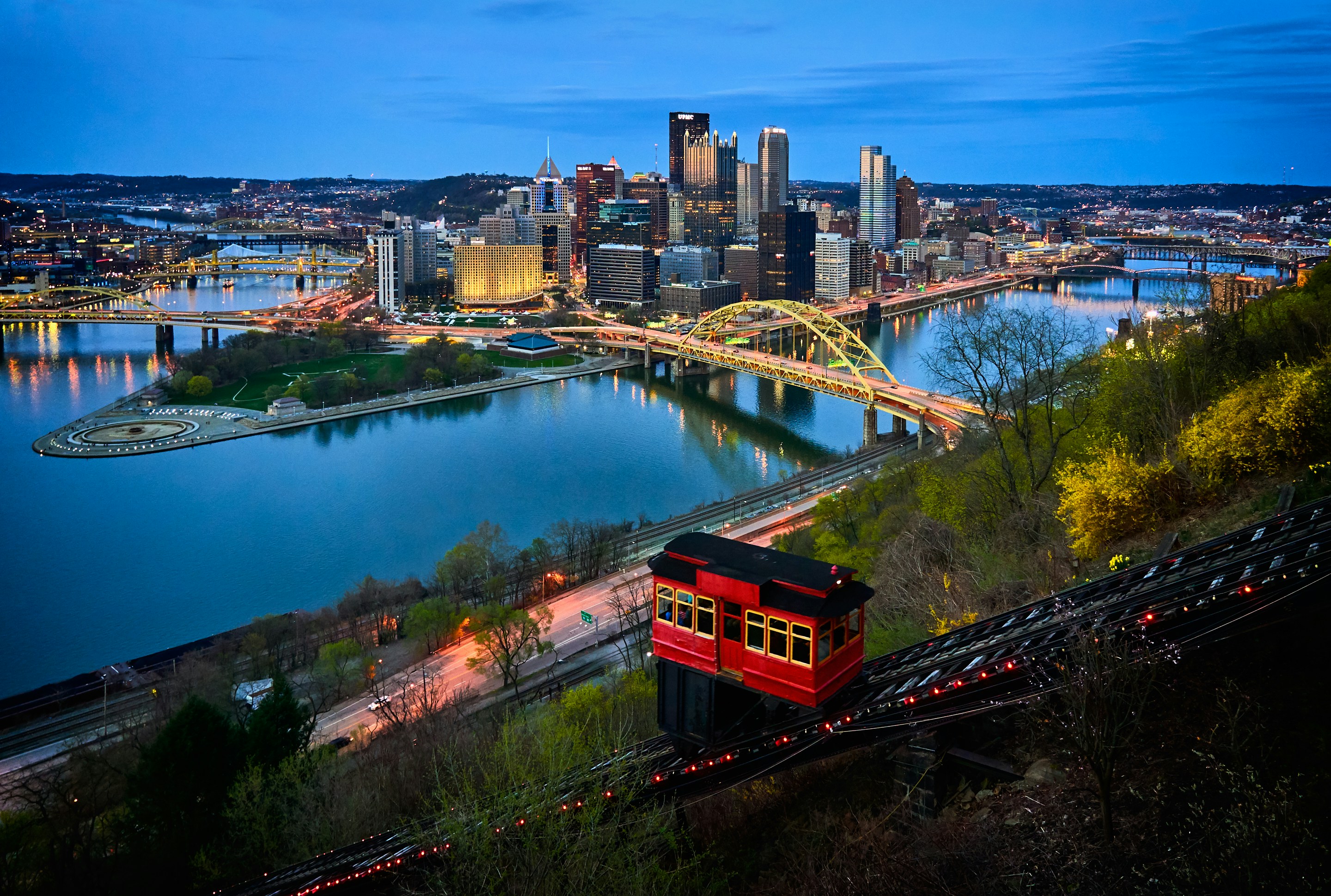
Photo by Vidar Nordli-Mathisen on Unsplash
Pennsylvania isn’t waiting for 2026 to arrive before preparing for it. Across the state, tourism leaders, city planners, and hotel operators are already positioning themselves for what many expect to be a landmark year.
Travel demand is rising, and major international events are on the calendar. Local businesses and restaurants are getting ready for the expected surge. Even well-known hotels are investing in renovations. Their hotel property improvement plan is focused on meeting the needs of visitors arriving for major events like the FIFA World Cup.
From Philadelphia to Montgomery County to Happy Valley, the signs point to a coordinated effort. The focus is on meeting growing interest with real infrastructure, not just marketing. For communities across the state, 2026 represents more than a single event. It reflects confidence that tourism growth is lasting, regional, and worth planning for early.
State data shows that tourism momentum is firmly established. According to Pennsylvania’s Department of Community and Economic Development, the tourism industry generated nearly $84 billion in economic impact in 2024.
It also supported more than 500,000 jobs statewide. That level of activity places tourism among the state’s most influential economic drivers.
What stands out is consistency. Visitor spending, employment, and business activity tied to travel have remained strong across multiple regions. This isn’t growth concentrated in one city or one season. It reflects statewide participation, from urban centers to college towns and suburban corridors.
Philadelphia’s role in the 2026 FIFA World Cup is expected to deliver a major economic lift. Regional estimates place the overall impact at around $770 million. That figure reflects a mix of visitor spending, event-related investments, and broader economic activity tied to hosting six matches.
Over the course of the tournament, the city is projected to welcome about 500,000 attendees and generate more than 6,600 jobs. It is also expected to produce roughly $51 million in tax revenue, including an estimated $30 million for Philadelphia itself.
While the matches will take place in the city, the effects will extend well beyond it. Demand for lodging, dining, and transportation is expected to spill into surrounding counties, reinforcing the need for regional coordination and statewide tourism readiness.
Another sign of Pennsylvania’s tourism readiness is the return of landmark hotel properties. In Philadelphia, The Bellevue Hotel has reopened following extensive renovations, bringing one of the city’s most recognizable hotels back into active service.
The project focused on modernizing guest rooms, public spaces, and building systems while preserving the hotel’s historic character. This is a balance that many legacy properties across the state are now trying to achieve.
Reopenings at this scale rarely move forward without a clear framework. Branded and historic hotels typically follow a hotel property improvement plan that outlines required upgrades before reopening.
According to Amerail Systems, these plans often address life safety systems, accessibility compliance, mechanical updates, and guest experience standards set by operators and brands. Because these renovations require significant time and capital, they signal confidence in long-term travel demand rather than short-term tourism spikes.
Regional data reinforces the statewide picture. According to reporting from the Valley Forge Tourism & Convention Board, Montgomery County recorded another record-breaking year for tourism activity and hotel performance.
The board pointed to continued growth across leisure travel, conventions, and sports tourism, all of which contributed to stronger hotel demand throughout the year.
Sports and major events played a particularly important role. Large-scale tournaments and gatherings generated more than 100,000 hotel room nights, giving local hotels a level of predictability that goes beyond seasonal travel.
That consistency helps stabilize occupancy outside summer months and supports reinvestment in properties. For North Penn communities, the impact shows up as steadier visitor traffic and closer connections between local businesses and the region’s tourism economy.
Beyond southeastern Pennsylvania, other regions are also preparing for 2026. In central Pennsylvania, Happy Valley is expanding its focus on arts, culture, and sports tourism. Local leaders are working to bring in more events, invest in cultural programming, and highlight experiences that extend well beyond college football weekends.
The goal is to create consistent travel demand across different seasons, rather than relying on a few peak moments. This approach reflects a growing statewide understanding that tourism growth works best when regions diversify their offerings and complement one another.
Happy Valley’s strategy adds another layer to Pennsylvania’s readiness, showing that preparation is happening across very different communities with a shared objective.
What connects these developments is timing. Hotels don’t reopen overnight. Renovations often take years, from planning and permitting to construction and inspections.
Event calendars are set far in advance, and infrastructure improvements follow long timelines that can’t be compressed at the last minute. With 2026 approaching quickly, tourism leaders across Pennsylvania are choosing to act now rather than scramble later.
Strong recent performance has provided confidence, while major global events on the horizon add pressure to be ready early. Regional cooperation has further accelerated decision-making, aligning public planning with private investment. Hotel owners reopening properties today aren’t chasing a trend after it peaks.
They’re positioning themselves ahead of demand, ensuring capacity, quality, and readiness are in place well before visitors arrive.
The 2026 FIFA World Cup will be hosted across cities in the United States, Canada, and Mexico. U.S. host cities include Philadelphia, New York/New Jersey, Los Angeles, Dallas, Atlanta, Miami, Seattle, and several others. Each city will host multiple matches throughout the tournament.
Happy Valley is best known as the home of Penn State University and its nationally recognized college football culture. The region also offers scenic outdoor recreation, including hiking, biking, and nearby state parks. In recent years, it has gained attention for its arts, cultural events, and year-round tourism.
Valley Forge is best known as the site where George Washington and the Continental Army endured the harsh winter of 1777–1778. The encampment marked a critical turning point in the Revolutionary War. Today, it stands as a symbol of resilience, sacrifice, and the fight for American independence.
Overall, Pennsylvania’s tourism story heading into 2026 isn’t about one tournament or one city. It’s about momentum already in motion. Strong statewide economic impact, regional record-breaking years, hotel reinvestment, and expanded cultural offerings all point to the same conclusion.
The state is preparing for a great tourism year not by hoping demand arrives, but by building the capacity to meet it.