There's a stereotype that blue-collar workers are these tough guys who don't care about mental health. As if people who work with their hands are not emotionally mature enough to comprehend the concept of mental health. As a blue-collar worker myself, I am living proof that this is not true.
I know from my life how burnout and constant physical tension tire you. After reading an article that shows that physical workers are even more prone to depression, anxiety, and even suicide, I decided to take action.
I came across the Breeze app after seeing an online ad. I wasn't actively searching for anything, but the Breeze Wellbeing app seemed to have a variety of tools and nice feedback online that made me curious enough to give it a try. Three months later, I'm still using it almost every single day. I share my experience with the Breeeze mental health app to show how easy care for mental health can be, even when you work a demanding and tiring job.
My everyday routine was quite packed, and after downloading Breeze, I wondered how I would also fit this into my already busy schedule. I had to make some sacrifices: less time for social media was one of them.
It turns out that devoting 20 minutes daily wasn't as hard, especially if you use an app that you genuinely like. I've been using the Breeze App for three months now, sticking entirely to the free version. I usually open it twice a day: once in the morning before work and once in the evening.
Here's the detailed breakdown of features and how I used them on my average day.
As for many people, my mornings usually start with scrolling through social media. I know it's not the healthiest way to start the morning, but it woke me up and launched my brain, so it did the job. Every morning, I tried to use the Breeze mental health app instead of Instagram or TikTok. Eventually, I figured that opening these apps was more of a habit rather than a need.
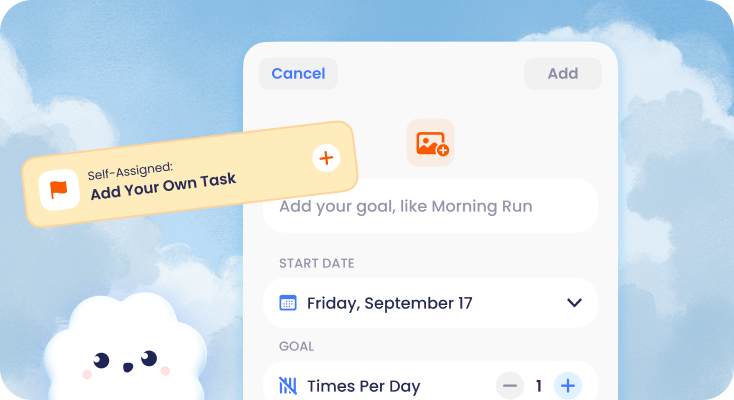
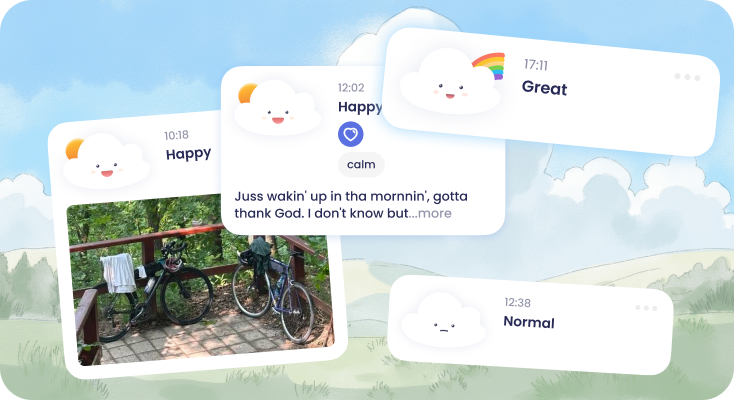
The first feature of Breeze I use in the morning is journaling. I don't really have many things to write down just after waking up, but I usually write down plans for my day. The second feature is a routine builder. Although I have some pre-set tasks, such as making breakfast and taking my kids to school, I set goals specifically for that day. For example, a gym session or a meeting with a friend.
These features of the Breeze app help me jumpstart my day and not spend more time figuring things out during the day. Not only does it save time, but it also saves my energy, which is invaluable for my type of work, where I have to invest both physically and emotionally when dealing with criticism and difficult clients.
In the evenings, I open Breeze again, usually after work and dinner. I use the same tool as in the morning: journaling. The evening journal helps me sort out everything that happened during the day, especially on tough or chaotic workdays. My tip: write down at least a small win of the day in the evening journal. Most of us overlook small achievements, but we grow due to them.
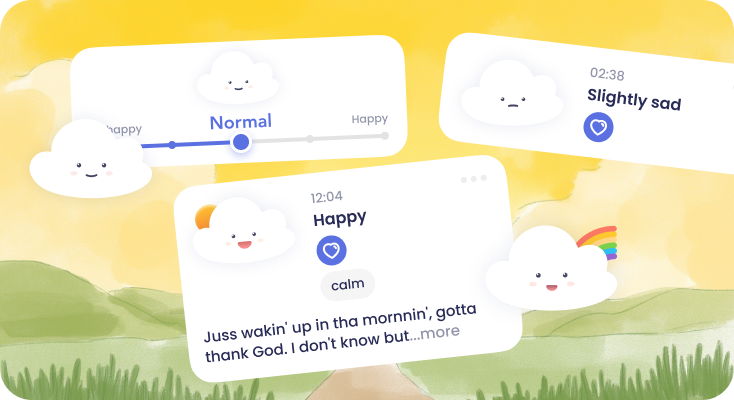
Apart from journaling, the Breeze Wellbeing app also has a mood tracker. I love feeling out the mood tracker because it's easy and has plenty of nuanced emotions I wouldn't recall, but that perfectly match my state. In days when I felt especially exhausted, I only used a mood tracker because it's essentially a shortened version of journaling.
In the recent evening, I also tried Breeze's meditation feature. I'll be honest: it wasn't exactly my thing. I prefer more hands-on tools. What works best for me is simply checking in with myself for a few minutes and not trying to state that feels inauthentic to myself.
You might already guess what I think of Breeze Self-Discovery from the fact that I've been using it consistently for three months. After this time, I've developed a pretty solid sense of what the app does well and where it falls short.
I didn't expect to stick with it this long. At the same time, using it daily also showed me features I wish it had and moments where the app felt limited, especially for people who want to use it during long workdays. Here's my honest breakdown of both sides.
There are a few things that bothered me while using Breeze:
I tend to be careful with my money, so I did some research. Surprisingly, the price for Breeze's subscription, approximately $30 based on a region, is pretty affordable compared to competitors. Especially since it offers roughly three times more features than the average mental health app. Still, I wish a few more tools were accessible without upgrading.
Even with its limitations, I used the Breeze app for three months because I enjoy certain aspects of it. These are the reasons I've kept using it every day:
I've noticed several changes after using the Breeze app. They're not dramatic or life-altering. The app didn't "fix" anything for me, but I did learn more about myself and experienced a few more benefits. Here they are:
After three months of using Breeze, I can confidently recommend it to others. I didn't expect it to become such an important part of my routine, especially since I didn't have time for anything.
The Breeze mental health app isn't perfect and won't fix your life just by sitting on your phone, but it's easy and practical. So practical that I consider trying out the paid version. Would you be interested in reading my review of the paid version of the Breeze Wellbeing app?