Across the country, local leaders, nonprofits, and entrepreneurs are wrestling with the same stubborn question: If so many people want safer neighborhoods, stronger families, and more affordable places to live, why is meaningful community progress still so difficult to achieve? Behind the headlines about rising housing costs, growing social divides, and stalled revitalization projects lie deeper structural challenges that shape outcomes long before a new policy or initiative is announced.
The hurdles vary from one community to another, yet many share a familiar pattern. Limited resources, slow-moving regulatory processes, workforce shortages, and public skepticism often stand in the way of well-intentioned efforts. Even the most innovative ideas can lose momentum when systemic obstacles outweigh grassroots enthusiasm.
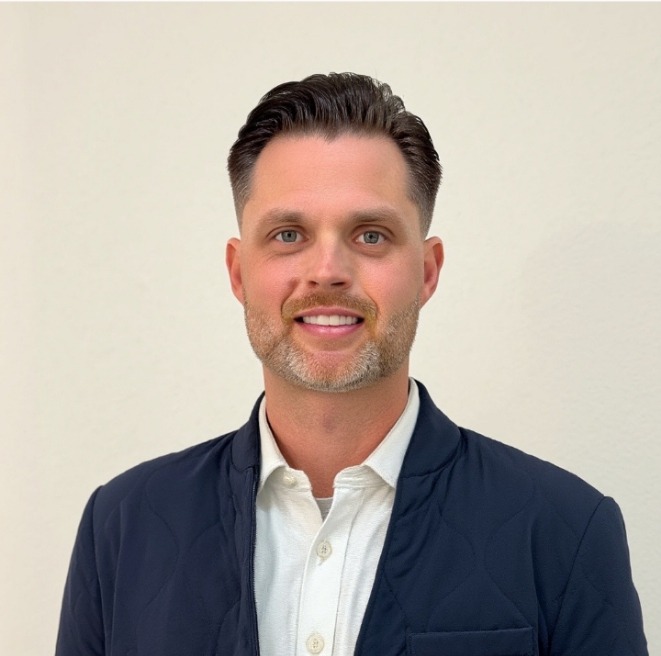
Understanding these challenges is essential for anyone trying to build impact at scale. Whether it is a nonprofit fighting homelessness, a developer trying to bring down housing costs, or a civic group rallying support for economic mobility, progress requires navigating a landscape far more complex than most people realize. That reality is echoed by leaders on the ground, including developers like Micah Pilkey, whose work in affordable housing illustrates how much persistence and adaptability true community change demands
Communities often dream of big solutions, yet many of those solutions never leave the planning stage. Zoning codes written decades ago can restrict new housing formats. Lengthy approval timelines discourage private investment. In some areas, community needs evolve much faster than local regulations are updated, creating a structural mismatch.
Housing is one of the clearest examples. Many regions are experiencing rapid population growth, yet zoning rules still favor large-lot, single-family homes. This makes it difficult to build compact, sustainable housing at price points working families can afford. Developers focused on affordability frequently encounter pushback, even when presenting models designed to benefit underserved populations.
Micah Pilkey has spoken about the challenge of presenting forward-thinking housing options in markets where zoning has not kept up with demand. His work converting RV parks into tiny home communities demonstrates how innovation often succeeds only when leaders find creative ways to operate within restrictive frameworks
What looks like a simple project on paper may involve months of negotiations, community meetings, and regulatory reviews before the first shovel hits the ground.
This gap between vision and bureaucracy is one of the quietest, yet most influential, barriers to community impact. Without regulatory environments that support experimentation, transformative ideas face an uphill climb.
Nonprofits and civic organizations frequently initiate community work with strong passion but lean budgets. They depend on grants, donations, and volunteers, all of which can be unpredictable. When funding shifts from year to year, long-term planning becomes nearly impossible.
This instability often forces organizations to focus on short-term deliverables rather than structural solutions. The result is a cycle in which communities receive temporary assistance but struggle to achieve lasting change.
Affordable housing illustrates this challenge as well. Even when land is available and public support is strong, rising construction costs, high interest rates, and limited subsidies can stall progress. For developers exploring alternative models like modular builds or tiny home communities, cost efficiency becomes a balancing act requiring constant adaptation.
Pilkey has acknowledged that solving the affordable housing crisis requires more than innovative ideas. It takes strong financial models, strategic partnerships, and funding tools that allow projects to scale responsibly while staying within reach for low-income residents
His experience reflects a reality many community-focused leaders know too well: vision alone is not enough. Sustainable funding is the engine behind all meaningful impact.
Even when funding and approvals align perfectly, another slow-building problem often emerges: there simply are not enough hands to get the work done. Labor shortages in construction, healthcare, social services, and education pose serious challenges for communities trying to launch or expand programs.
In construction, for example, shortages can delay projects by months, inflate budgets, and reduce the number of homes or facilities that can be built. Some regions lack electricians, plumbers, or project managers; others struggle to retain workers who can earn more in nearby sectors.
Leaders in the field have described the need to seek out untapped talent pools, create new training pathways, and invest in retention strategies to keep projects on track. Pilkey has highlighted labor shortages as one of the most significant barriers affecting affordable housing development, noting how hiring has required novel approaches and competitive incentives in order to secure the talent needed for progress
These shortages are not just logistical issues. They are systemic, affecting the pace at which communities can respond to urgent needs. Without a strong, skilled workforce, even the most well-funded initiatives risk falling short of their goals.
Another often overlooked barrier is the role public perception plays in shaping what communities are willing to support. While many residents agree that issues such as homelessness, housing affordability, and economic mobility deserve attention, their enthusiasm often shifts once proposed solutions land close to home.
This is where NIMBYism (Not In My Backyard) becomes a major roadblock. It can arise from fear of increased traffic, concerns about property values, or misconceptions about who will benefit from new developments. Regardless of the reasons, these attitudes influence community meetings, zoning decisions, and local elections, frequently steering leadership away from necessary but politically risky action.
Successful community impact often requires not just building structures, but building trust. Leaders must show residents how solutions strengthen—not threaten—the character and stability of their neighborhoods. They must also demonstrate transparency, communicate clear expectations, and provide evidence that similar projects have succeeded elsewhere.
Public perception is powerful. When aligned with progress, it accelerates impact. When shaped by misinformation or fear, it becomes one of the most difficult obstacles to overcome.
Behind every community initiative lies a complex web of institutions, policies, and cultural norms. Changing any of these requires patience, coalition-building, and a willingness to navigate conflict.
Many leaders learn quickly that systemic challenges move at a very different speed than community needs. Issues like homelessness, education gaps, mental health access, and housing shortages cannot be solved by a single program or project. They require cross-sector coordination, long-term investment, and consistent leadership over years—not months.
One of the reasons impact feels slow is because so much of the work happens before the public ever sees results. Researchers collect data. Stakeholders negotiate priorities. Policymakers revise frameworks. Philanthropic partners evaluate funding strategies. It is slow, methodical work, but essential.
When these foundational steps are rushed or overlooked, programs struggle to maintain long-term results. When they are executed well, the impact is deeper, more stable, and more scalable.
Community transformation does not happen in a straight line. It moves forward, falls back, pivots, and adapts. That is why leadership grounded in resilience, creativity, and values is one of the strongest predictors of whether meaningful progress takes hold.
Leaders who stay connected to the real experiences of residents are better equipped to design solutions that matter. Those who are willing to challenge outdated systems can unlock opportunities others overlook. And those who prioritize integrity and transparency can build trust in environments where skepticism often runs high.
Micah Pilkey, whose personal and professional journey includes everything from early entrepreneurial pursuits to a defining period of adversity that reshaped his worldview, represents the type of leader who approaches community impact with both empathy and strategy. His experience underscores how much dedication and long-term vision are required when tackling issues as complex as affordable housing
Communities across the nation are at a pivotal moment. Population shifts, rising living costs, and evolving social needs demand new approaches rooted in flexibility, innovation, and collaboration. The hurdles are real, but not insurmountable.
Progress begins when leaders acknowledge these challenges openly and design solutions that account for them rather than work around them. It grows when diverse stakeholders commit to shared goals and trust the process long enough to see meaningful results. And it becomes lasting when systems evolve in ways that support both immediate needs and long-term sustainability.
The future of community impact will belong to those who balance creativity with practicality, passion with perseverance, and vision with execution. It will belong to organizations willing to embrace new models, residents willing to engage in dialogue, and leaders willing to advocate through uncertainty.
While the road to progress is rarely simple, the potential gains—a stronger social fabric, healthier neighborhoods, and a more equitable landscape of opportunity—make every challenge worth confronting. Communities are most resilient when they are willing to evolve, and the path to meaningful impact begins with the courage to face those obstacles head-on.