Holiday shopping has started to pick up across the North Penn region, from the familiar stretch of Lansdale’s Main Street to the crowds gathering at Montgomery Mall. As residents prepare for gift-buying, grocery runs, and weekend events, many are deciding how they want to pay. Digital wallets are now part of everyday life for some shoppers, while others still prefer the familiarity and reliability of traditional debit or credit cards.
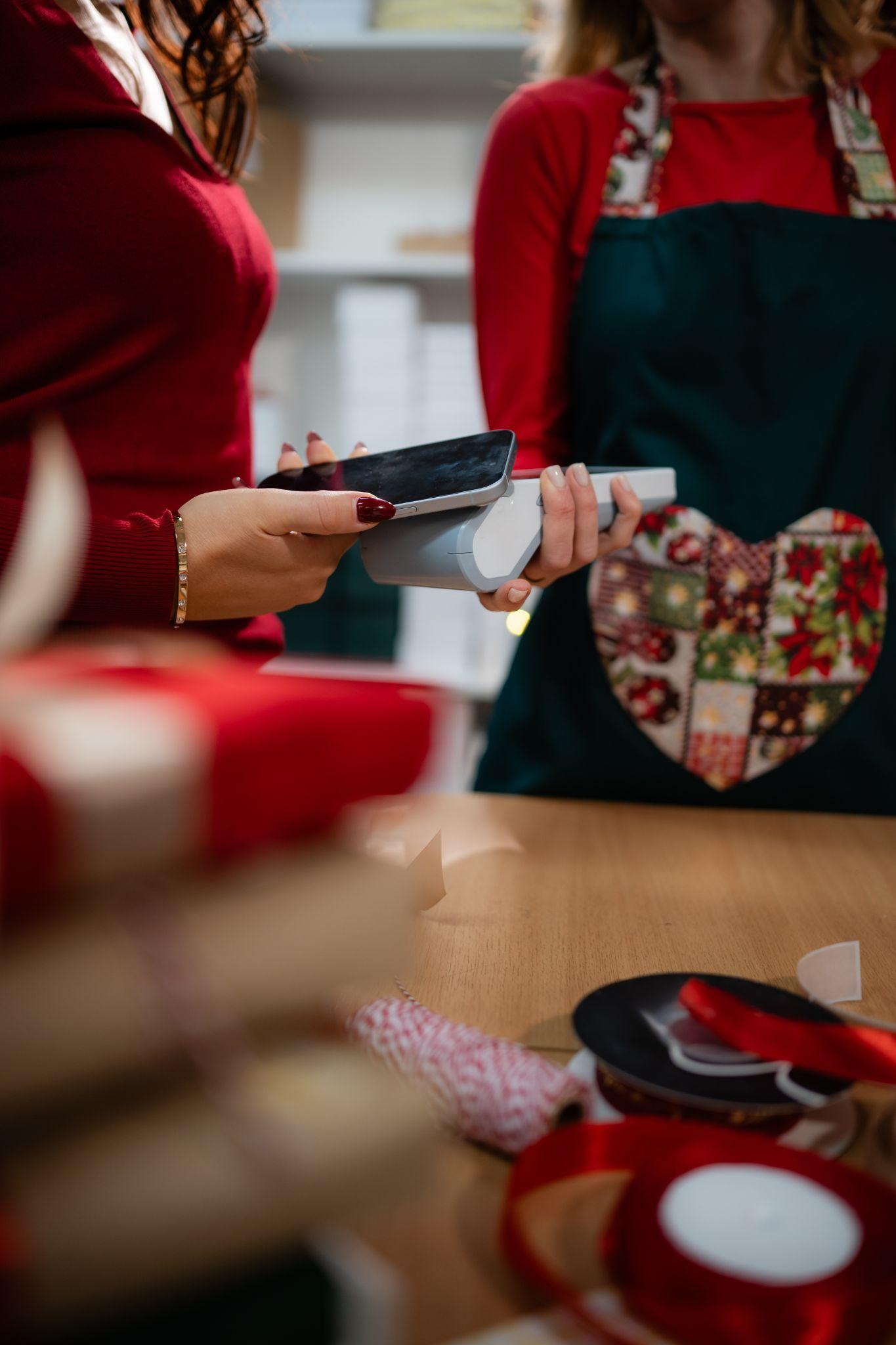
Digital payments cover more than a quick tap at the register. Many users also rely on digital platforms to manage essential recurring obligations, including utility and other payments, helping them stay organized and on top of household expenses. They include mobile wallets such as Apple Pay and Google Pay, contactless cards, and app-based options like Venmo. These tools give people a way to pay without reaching for their physical wallet. Traditional cards remain a familiar choice, especially for residents who like the predictability of inserting or swiping a card. Both systems operate side by side across North Penn, and shoppers often switch between them depending on their location and the items they are purchasing.
The holidays tend to draw an increase in attempted fraud, particularly online. One reason digital wallets appeal to some shoppers is the security feature known as tokenisation. Instead of sharing an actual card number with the merchant, the system sends a temporary stand-in, which can reduce the amount of sensitive information in circulation. Traditional cards still come with strong bank protections, although card-not-present transactions often face higher risks this time of year.
Anyone who has tried to run errands at Wegmans on a Saturday or visited a holiday craft fair at Whites Road Park knows that lines can form quickly. In those settings, a tap of a phone or watch can shorten the wait. Some shoppers turn to digital payments because they find them more efficient when juggling bags or keeping an eye on children. Others stick with cards because they trust the routine and appreciate having something tangible to hold.
Acceptance across North Penn is broad but not universal. Older diners, long-running shops, and certain fundraising events still rely on basic terminals or cash boxes. At holiday markets, payment options can vary from booth to booth. A shopper who relies entirely on a phone might not be able to complete every purchase, especially when a vendor uses outdated equipment or experiences connectivity issues. In those moments, a card is often the simpler option.
Many residents point out that a dead phone battery can bring everything to a halt. Others worry about losing a device somewhere between Broad Street coffee shops and a crowded mall. Digital wallets can be locked remotely, which helps, but the disruption still creates stress during an already busy season. Cards have their own vulnerabilities, yet they are often easier to replace or manage at the moment.
Digital payment apps may set limits on how much can be sent or spent in a single transaction. Those caps are not always noticeable, but they can be significant when someone buys electronics or multiple gifts at once. Cards typically allow higher limits, though banks may still flag unusual spending. Shoppers in North Penn often choose the method that best suits the size and timing of their purchase.
Small shops along Main Street and seasonal pop-ups each handle returns differently. A physical card often simplifies the process, particularly when a business uses an older point-of-sale system. Digital refunds do exist, of course, but processing times can vary. In both cases, disputes follow the bank’s policies, though shoppers may want to know how their own card issuer handles claims.
The ability to see instant notifications on a phone helps some residents stay aware of their holiday budget. This can be useful for families who want to track spending across grocery trips, school events, and last-minute gifts. Others prefer printed receipts and monthly statements because they match long-standing habits. Both approaches offer ways to stay organised without adding stress.
Some residents who rely on digital wallets also use financial apps that handle tasks like budgeting or checking market prices. A few of these apps include access to a crypto trading platform, which appear alongside everyday tools on the same phones people use at checkout. Their presence does not affect how holiday payments work, but it highlights how smartphones have become hubs for various financial routines, whether simple or more specialized.
Younger commuters passing through Lansdale station often rely on their phones for nearly everything, including payments. Older residents may feel more at ease using cards because the method is familiar and easy to manage. Local businesses see that both group gift-buying in most stores and the option to accommodate either choice are prepared to accommodate either choice. Comfort, not trend, usually determines what someone reaches for.