Images now carry more weight than many people realize. They set expectations before a single word is read and often decide whether content feels current or already behind the curve. As platforms evolve and screens improve, visual quality has quietly become a baseline requirement rather than a bonus. In this environment, AI-driven enhancement tools are not about creative flair, but about meeting a standard that keeps moving forward.
People rarely analyze images consciously. They react. A sharp, balanced image feels credible, while a soft or damaged one triggers doubt, even if the message is solid. This reaction happens fast, sometimes unfairly, but it happens all the same. Brands and creators feel this pressure every time content goes live.
That pressure explains the growing reliance on an AI photo enhancer. It offers a way to align visuals with expectations without turning image editing into a bottleneck.
Content volume has exploded. Product catalogs grow, blogs update weekly, social feeds refresh daily. Manual editing workflows were not designed for this pace. They demand attention, judgment, and time, all of which are in short supply.
An AI photo enhancer shifts the balance. Instead of asking editors to solve the same problems repeatedly, it automates the predictable parts and leaves humans to focus on decisions that actually require taste.
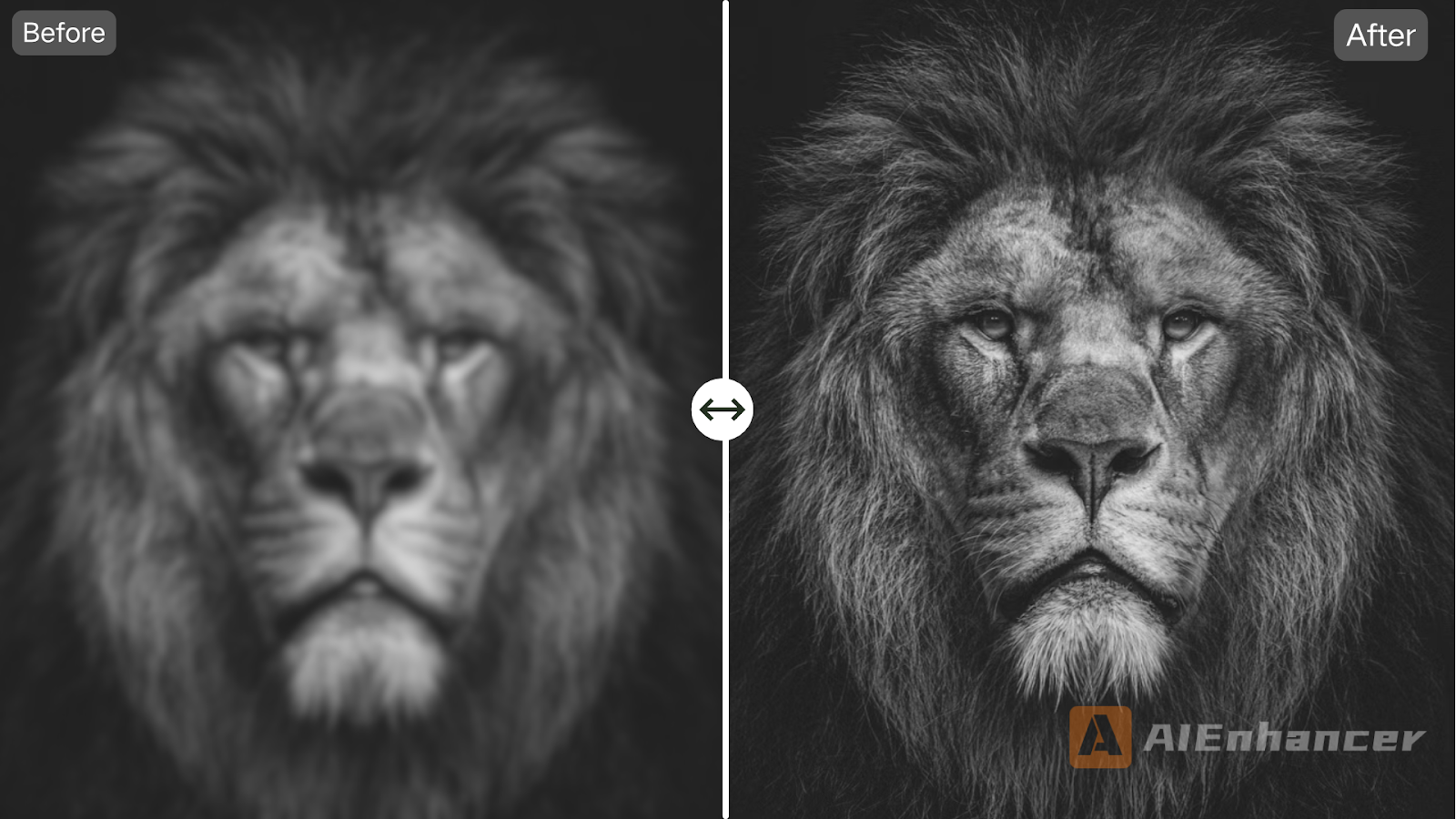
Upscaling images has long been associated with disappointment. Jagged edges, smeared textures, and an unmistakable “processed” look trained users to expect the worst. AIEnhancer approaches resolution enhancement more cautiously. It rebuilds detail with context, preserving surface variation and edge integrity.
This restraint is why many users describe AIEnhancer as a dependable AI photo enhancer rather than an aggressive one. The improvement feels natural, not performative.
Color correction is rarely about making images brighter. It’s about restoring balance. AIEnhancer adjusts tones, contrast, and saturation in relation to each other, not in isolation. Highlights recover detail, shadows regain depth, and colors settle into a more believable range.
Over time, this consistency becomes one of the quiet strengths of an AI photo enhancer. Results feel predictable in a good way, which encourages regular use.
Blur remains one of the most common reasons images get discarded. Motion, low light, or a missed focus point can undermine otherwise valuable shots. AIEnhancer’s ability to unblur image focuses on recovery rather than reinvention. It restores structure where possible and reduces softness without introducing harsh artifacts.
Within a broader AI photo enhancer workflow, this feature acts as a practical rescue option, not a miracle button.
Online shopping depends on visual confidence. Customers zoom, compare, and hesitate over small details. Inconsistent sharpness or dull colors introduce friction at exactly the wrong moment. AIEnhancer helps standardize image quality across catalogs, even when assets come from different shoots or suppliers.
Here, an AI photo enhancer contributes directly to trust, which often matters more than stylistic flair.
Modern content pipelines move fast. Images arrive from stock libraries, user submissions, or internal archives, each with different limitations. Stopping to manually refine every asset would slow everything down. AIEnhancer allows teams to bring visuals up to a reliable baseline quickly.
That ability to maintain momentum is why an AI photo enhancer often becomes part of daily operations rather than an occasional fix.
Not all valuable images are new. Old photographs, scanned prints, and legacy branding materials carry meaning but often fail modern quality standards. AIEnhancer’s restoration capabilities make these assets usable again without erasing their character.
In these cases, the AI photo enhancer behaves more like a restorer than an editor, preserving intent while improving clarity.
AIEnhancer operates entirely online. This removes barriers that often limit adoption, such as software installation, hardware requirements, or steep learning curves. Teams with mixed skill levels can use the same tool and expect comparable results.
That accessibility turns the AI photo enhancer into a shared resource rather than a specialized skill set.
Different visuals demand different treatment. Logos need crisp edges, portraits need subtlety, and background images need balance. AIEnhancer adapts its enhancement based on content type, avoiding the one-size-fits-all processing that often causes problems.
This adaptability strengthens trust in the AI photo enhancer, especially for users managing diverse visual libraries.
Fast-loading pages matter, but so does image quality. AIEnhancer’s intelligent compression reduces file sizes while preserving visible detail. Images load quickly without looking compromised.
For SEO-focused teams, this function of an AI photo enhancer supports performance goals without forcing a trade-off.
AIEnhancer doesn’t try to replace human taste. It focuses on automating improvements that are largely objective, such as clarity, resolution, and balance. Creative decisions remain untouched.
This philosophy keeps the AI photo enhancer aligned with real-world workflows, where tools are expected to support, not dominate.
There is growing skepticism toward images that look heavily processed. Over-sharpened edges and exaggerated contrast can undermine authenticity. AIEnhancer avoids imposing a visual signature, aiming instead for subtle improvement.
That subtlety is often what convinces professionals to trust an AI photo enhancer for serious work.
As AI-enhanced images become more common, expectations adjust. What once felt impressive becomes normal. This shift doesn’t reward extravagance; it rewards consistency. Images that fail to meet the new baseline stand out for the wrong reasons.
Using an AI photo enhancer early helps creators align with this evolving standard rather than react to it later.
Visuals influence engagement, credibility, and discoverability. Treating image enhancement as an afterthought ignores its strategic impact. AIEnhancer fits into a more integrated view of content, where visuals are optimized alongside copy and performance.
In that role, the AI photo enhancer becomes part of the foundation rather than a decorative layer.
Good tools rarely demand attention. They work quietly, improving outcomes without reshaping identity. AIEnhancer operates in that space. As an AI photo enhancer, it focuses on clarity, balance, and reliability, qualities that matter more than spectacle in a crowded digital landscape. When image quality becomes a given rather than a gamble, everything built on top of it feels more secure.