
Organizing an esports tournament can be exciting and chaotic, but also rewarding if done right. With some planning, creativity, and attention to detail, you can host a tournament that players and viewers will remember.
When it comes to organizing such an event, you need to think from a lot of perspectives. Firstly, you have to think about what games you want to have. After all, you can’t pick a random game and ask people to play.
Then, you need to think about showcasing the event, maybe live-streaming it even. As Avanti Productions notes, there will always be a need to live-stream event experiences to audiences around the world.
Let’s break down a few tips that will help you run a smooth, fun, and professional esports event.
The first step is selecting the game that your tournament will feature. Globally, the esports market is worth over $2 billion, and there are plenty of games that contribute to this growing industry. Popular titles like League of Legends, Valorant, or Fortnite can draw more participants, but niche games can build a tight-knit community.
Once you pick your game, think about the format. Are you going for a single elimination bracket, double elimination, or a round-robin style? The format affects scheduling, player fatigue, and overall excitement. Make sure it fits the number of participants and the time you have available. Players should have a fair chance, and matches shouldn’t drag on too long.
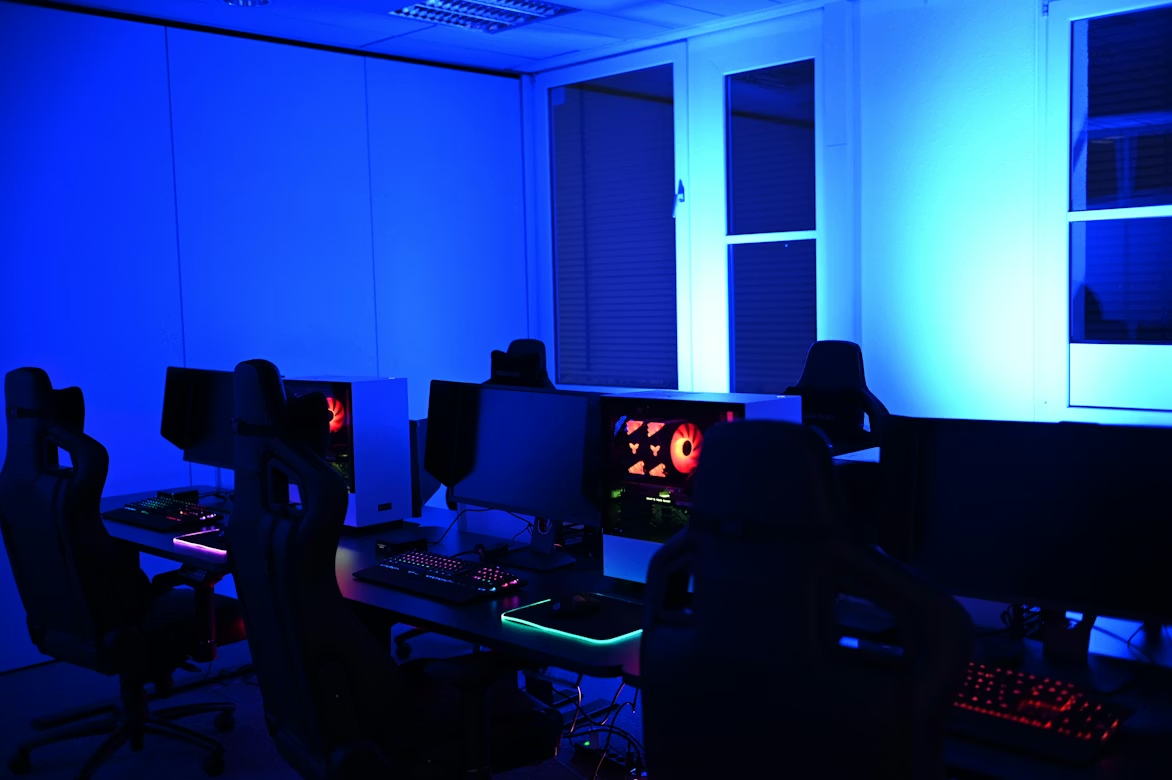
Recently, Saudi Arabia launched the SEF Arena, which has a total size of 25,000 sqm dedicated mostly to esports events. Now, you don’t need such a big venue to host a video game event. Just look for a space with reliable internet, ample power outlets, and enough room for players and spectators. Proper seating, lighting, and ventilation are essential for comfort.
Remember, your participants will spend hours gaming, so make it as pleasant as possible. Also, think about accessibility. A location that is easy to reach encourages more attendees and helps build a community feel around your tournament. Sometimes, small touches like water stations or snack availability make a big difference.
You can have the best tournament setup in the world, but if nobody shows up, it won’t matter. Social media is your best friend here. Use platforms like Twitter, Instagram, and Discord to reach your target audience. Create eye-catching graphics and short videos to generate hype. Reach out to local gaming communities and influencers to help spread the word.
Make sure to include all essential information: date, time, registration link, rules, and prizes. People respond to clarity, and confusion can turn potential participants away. Consistency in messaging is key. Start promoting weeks in advance and keep posting regular updates.
Globally, there are over 300 million esports enthusiasts, so live streaming your tournament is crucial if you want to reach that worldwide audience. A good live stream allows fans to experience the excitement even if they can’t attend in person. Ensure your AV solution is capable of handling multiple video feeds without lag.
Your audio-visual setup should capture clear sound from the commentators and in-game action. Broadcasting high-quality videos creates a professional feel and can attract sponsors.
Don’t forget to test your AV setup before going live. Streaming platforms like Twitch or YouTube are popular choices. Remember, the better your broadcasting, the more likely viewers will tune in next time.
Registration can make or break the early experience for participants. Use online platforms to collect participant information and payment if needed. Make the process simple and transparent. Include fields for player names, team names, contact details, and any specific requirements.
Confirmations should go out automatically, so participants feel secure. Communication doesn’t stop after registration. Keep your players informed about schedules, match times, and any last-minute changes. A smooth registration experience sets the tone for the entire tournament.
Commentary can turn a standard match into a thrilling experience. Hire or recruit enthusiastic commentators who understand the game and can engage the audience. They should explain strategies, highlight impressive plays, and keep the energy high.
Avoid long periods of silence; a dull broadcast loses viewers fast. Good commentary also helps casual viewers understand the game and builds excitement for the tournament. Interacting with the chat during live streaming adds another layer of engagement.
A commentator’s personality can become a highlight of your event, making people want to come back.
No matter how careful you are, technical problems can happen. Power outages, internet drops, or software crashes can disrupt matches. Have backup plans ready, such as extra routers, backup computers, and alternative internet connections.
Communicate clearly with players if delays occur and keep the audience informed. Assign a tech support team that can troubleshoot quickly. Testing all hardware and software beforehand is essential.
The smoother the technical side, the more professional your tournament feels. Handling problems calmly can also impress players and spectators alike.
Organizing an esports tournament starts with choosing the game and format. Set clear rules and eligibility requirements early. Secure a reliable platform for matches and communication. Arrange prizes and sponsorships if possible. Promote the event through social media. Test technical setups beforehand. Clear scheduling and staff coordination ensure smooth execution.
Esports tournaments are usually structured in stages. Many begin with qualifiers to select teams. This is followed by group stages or brackets. Matches may use single or double elimination formats. Finals determine the winner after several rounds. Schedules are fixed to manage fairness. Clear rules guide progression and scoring.
Popular esports games include competitive multiplayer titles with large audiences. Games like League of Legends attract global teams. Counter Strike is known for tactical gameplay. Dota 2 offers large prize pools. Valorant continues to grow rapidly. These games succeed due to balance, skill depth, and strong community support.
Organizing an esports tournament is challenging, but it is also incredibly rewarding. Every detail, no matter how small, contributes to the overall feel of your tournament.
With planning, creativity, and attention to detail, you can host an event that players will talk about for months. The key is preparation, adaptability, and always keeping the excitement alive. Your next esports tournament could be legendary with the right approach.











