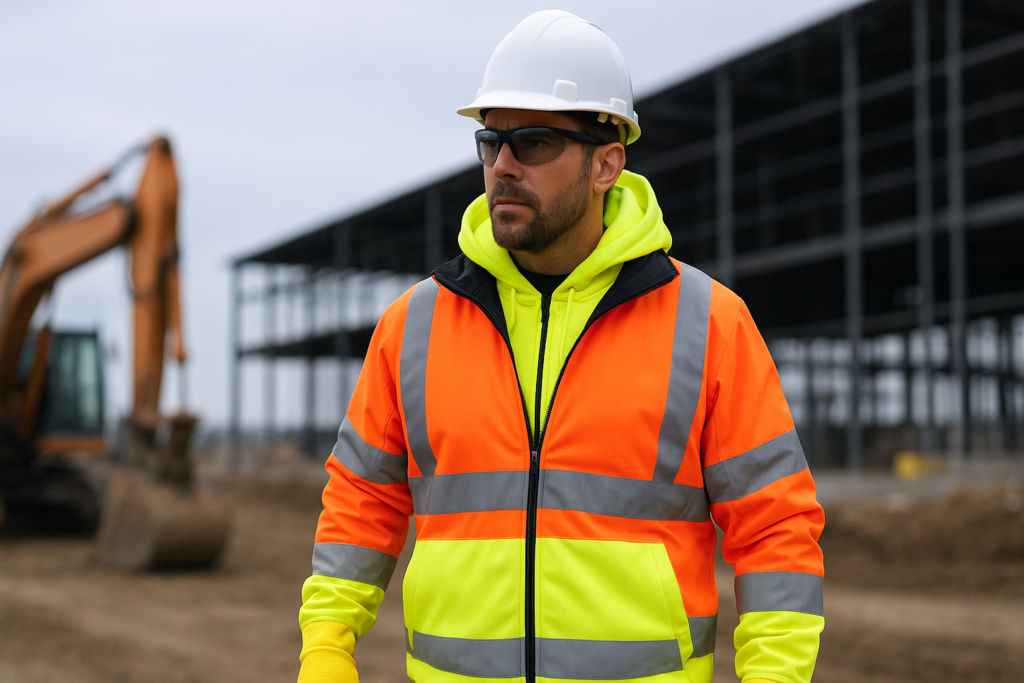
In many industrial and outdoor work environments, visibility is essential for preventing accidents and ensuring workers remain easily identifiable at all times. Whether it is a construction zone, roadside operation, utility site, or warehouse facility, appropriate high-visibility apparel plays a central role in maintaining safe working conditions. The practice of layering is especially important during colder months when workers need to stay warm without compromising visibility. This is where thoughtful combinations of Hi Vis Sweatshirts and Hi Vis Jackets become crucial for creating a reliable, weather-ready safety strategy.
Layered high-visibility apparel provides multiple advantages: improved insulation, adaptability to fluctuating temperatures, and enhanced coverage that makes workers more recognizable at long distances. However, layering requires careful consideration. Too many layers may restrict movement, the wrong fabrics can trap moisture, and excessive bulk can reduce compliance if workers feel uncomfortable. This article investigates the key factors that influence effective layering, including material choices, ANSI visibility classifications, workplace hazards, and practical trade-offs. It further explores how high visibility sweatshirt options and High visibility outerwear function together to maximize safety without sacrificing comfort or mobility.
Workers in outdoor or semi-exposed environments often experience unpredictable conditions. Temperatures can drop rapidly, wind chill can intensify, and precipitation can affect comfort and visibility. A single layer of reflective apparel may be appropriate during mild weather, but colder seasons demand extra insulation. At the same time, removing visibility gear to regulate body temperature exposes workers to greater risk.
Layering solves this problem by allowing workers to adjust insulation levels without losing compliance with visibility standards. A High vis hoodie worn under a High visibility jacket ensures consistent visibility, even if one layer is removed temporarily. This approach also protects workers from environmental hazards such as rain, snow, dust, and debris. Each layer adds protection while maintaining reflective capability.
However, layering requires balancing several conflicting factors: insulation versus mobility, bulk versus comfort, and flexibility versus compliance. Employers need to choose apparel combinations that address not only safety standards but also worker satisfaction, as discomfort often leads to improper use.
High visibility apparel must comply with ANSI/ISEA 107 standards, which outline design, color, reflectivity, and coverage requirements. When combining a High vis hoodie with High visibility clothing, it’s important to ensure the ensemble meets or exceeds the appropriate rating for the task. In most cases, sectors such as road construction or heavy equipment operation require Class 2 or Class 3 visibility.
A challenge arises when inner layers are partially or fully covered by outer gear. For example, a high visibility sweatshirt may meet ANSI Class 2 standards independently, but if the high visibility outerwear worn over it is not compliant, or if it obstructs reflective bands, the entire system becomes less effective. Employers must ensure that each piece contributes to the overall visibility rating rather than diminishing it. Layering should enhance visibility, not obscure it.
Workers need to move freely, bend, lift, and stretch without feeling restricted. Bulky multiple-layer combinations may provide warmth, but they can reduce range of motion and lead to discomfort or fatigue. This is especially important in roles requiring precision, climbing, or repetitive movement.
Balancing mobility with warmth involves choosing lightweight but insulated materials. Modern high visibility outerwear often features breathable fabrics, ergonomic paneling, and flexible reflective strips. When the inner high visibility sweatshirt is similarly designed, the layers complement each other rather than adding unnecessary bulk.
However, the trade-off is cost. Lightweight engineered materials typically are more expensive than standard fabrics. Organizations must weigh the expense of premium gear against long-term comfort, compliance, and worker retention.
Maintaining proper body temperature is vital for both safety and productivity. Workers who become overheated may remove high visibility outerwear, reducing their visibility. Conversely, workers who are too cold may experience stiffness, slower reaction times, or decreased focus.
To prevent these outcomes, moisture-wicking base layers, breathable mid-layers, and weather-resistant high visibility jacket options must work together. High visibility outerwear should provide wind and water resistance, while the high visibility sweatshirt underneath should offer warmth without trapping sweat. Proper ventilation panels, zippers, and mesh linings also help maintain comfort.
The challenge is finding gear that allows airflow while still providing adequate protection from cold or wet conditions. Some outerwear may be waterproof but not breathable, creating internal dampness from perspiration. Choosing gear with a balance of both qualities is essential.
Different industries demand different layering strategies. For instance:
Layering should reflect these unique challenges. A high visibility sweatshirt might be sufficient for mild indoor environments, while outdoor work demands a sturdier high visibility jacket that resists wind and moisture. The decision should not be based solely on temperature but on the overall hazard environment.
The base layer plays a foundational role in comfort. It should be breathable, moisture-wicking, and snug enough to support outer layers without bulk. Though not visible, its performance affects how well workers tolerate the high visibility sweatshirt and high visibility outerwear above it. Cotton is not ideal as it absorbs moisture, reducing warmth and increasing discomfort. Synthetic blends or wool alternatives are more effective.
The mid-layer is typically the high visibility sweatshirt or High vis hoodie. It provides warmth and enhances visibility even if outer layers are removed. Workers often prefer mid-layers that combine insulating fleece with reflective elements designed to remain visible from multiple angles.
However, the trade-off here involves thickness. Heavily insulated sweatshirts provide warmth but add mass, which can restrict movement when paired with an outer layer. Choosing the appropriate insulation weight based on seasonal weather and job intensity is crucial.
The outermost layer is usually a high visibility jacket designed to resist wind, rain, and environmental elements. It should feature durable reflective tape, strategically placed pockets, adjustable cuffs, and reinforced seams. High visibility clothing of this type should also allow adequate ventilation to avoid overheating.
The challenge is selecting outerwear that is strong enough to withstand harsh conditions while remaining comfortable during physically demanding tasks. Many jackets address this through breathable membranes, tear-resistant fabrics, and removable liners, but these features may increase cost.
Layering high-visibility gear involves navigating competing priorities. Employers and safety teams must consider:
Heavier layers provide insulation but restrict movement. Lightweight alternatives offer flexibility but may not be warm enough in extreme environments.
Apparel with more reflective surface area generally improves visibility, but excessive additions can reduce fabric strength or flexibility. Conversely, durable abrasion-resistant layers may have fewer reflective zones.
Waterproof materials provide protection from precipitation but may trap heat. Breathable fabrics increase comfort but may allow some moisture penetration.
Premium layering systems tend to be more expensive but offer superior comfort, longevity, and compliance. Lower-cost alternatives may need replacement sooner, potentially increasing long-term expenses.
Understanding these trade-offs helps organizations purchase strategically while ensuring workers remain protected, comfortable, and visible.
Workers may remove high visibility outerwear when overheated or uncomfortable. If their mid-layer is not sufficiently reflective, visibility decreases. Employers must choose comfortable, temperature-regulating layers to reduce this risk.
Frequent washing, abrasion, and exposure to sunlight degrade reflective materials. Both inner and outer layers require regular inspection, and damaged items must be replaced promptly. Faded or cracked reflective tapes reduce visibility dramatically.
Purchasing multiple layers for each worker increases costs. Businesses must budget for seasonal changes and ensure enough suitable options exist for varying conditions. Centralized ordering, consistent sizing, and standardized apparel recommendations help manage this challenge.
Even the best gear is ineffective without proper use. Workers should understand how to layer correctly, how to adjust for temperature, and how to inspect their apparel for wear. Training improves compliance and reduces accidents.
Layering high-visibility apparel enhances workplace safety in several ways:
These benefits collectively support safer work environments, particularly in industries where visibility and environmental hazards intersect.
When selecting a layered apparel system, employers should consider several factors:
Testing gear combinations in real working conditions can also help determine which options best meet both safety and comfort requirements. A layering approach that workers willingly adopt is far more effective than one they resist due to discomfort.
Layering high-visibility apparel is a practical and effective approach to maintaining safety in dynamic work environments, especially during colder seasons. By combining a high visibility sweatshirt with a reliable high visibility jacket, workers gain the benefits of insulation, adaptability, and consistent visibility. However, creating an optimal layering strategy involves weighing important trade-offs related to mobility, comfort, durability, breathability, and cost. Employers must consider environmental conditions, industry-specific hazards, and worker preferences to develop a system that ensures both compliance and comfort.
Ultimately, the goal of layering is to create a safety ecosystem where workers remain highly visible and physically protected, regardless of shifting weather conditions or operational demands. Thoughtful selection of high visibility outerwear and supportive layers contributes directly to reduced accidents, improved compliance, and enhanced worker well-being. When executed correctly, layered visibility gear becomes a powerful tool in any organization’s safety strategy—offering protection, performance, and peace of mind in even the most challenging environments.