
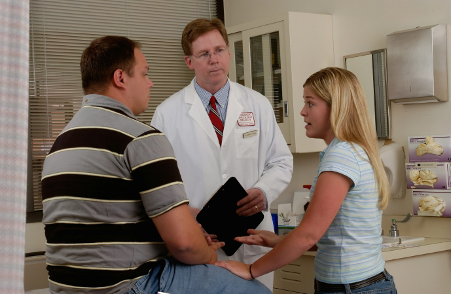
Hospitals across Pennsylvania are facing a challenge that has nothing to do with medical technology or staffing shortages, yet has a direct impact on patient safety and quality of care: language. As communities become increasingly diverse, healthcare providers are encountering more patients who speak limited or no English, making effective communication a growing priority across the state.
In response, many hospitals and healthcare systems are investing in training programs to help staff communicate more effectively with multilingual patient populations. But while training is a critical step, it is only part of a much broader solution.
A Growing Linguistic Diversity in Pennsylvania
According to data from the U.S. Census Bureau, more than 13% of Pennsylvania residents speak a language other than English at home, with Spanish, Chinese, Vietnamese, Arabic, and Russian among the most common. In Montgomery and Bucks counties, population growth among immigrant and multilingual communities has been particularly notable over the past decade.
Healthcare systems are increasingly encountering patients who may understand conversational English but struggle with medical terminology, consent forms, discharge instructions, or medication guidelines. For providers, this creates a clear risk: misunderstanding can lead to misdiagnosis, improper treatment, or poor adherence to care plans.
Why Language Barriers Matter in Healthcare
Medical communication is uniquely complex. Unlike everyday conversation, it involves technical terminology, nuanced explanations, and high-stakes decision-making. Studies published by the Agency for Healthcare Research and Quality (AHRQ) and the Centers for Disease Control and Prevention (CDC) have consistently shown that language barriers are associated with:
When patients cannot fully understand their diagnosis or treatment options, informed consent becomes difficult—if not impossible. This raises ethical and legal concerns for healthcare providers and institutions alike.
How Pennsylvania Hospitals Are Responding
Hospitals throughout the state have begun implementing targeted initiatives to address multilingual communication challenges, including:
These efforts align with federal requirements under Title VI of the Civil Rights Act, which mandates meaningful access to healthcare services for individuals with limited English proficiency.
Training Helps—But It Has Limits
While staff training and interpreters play a vital role, they cannot address every communication need within a hospital setting. A significant portion of patient interaction relies on written medical documentation, including:
These documents must be accurate, consistent, and legally compliant. Relying on ad-hoc translations, bilingual staff without formal training, or automated translation tools can introduce serious risks. Medical language requires precision, and even small errors can have significant consequences.
The Role of Professional Medical Translation
To bridge this gap, many healthcare organizations supplement staff training with professional medical translation services. Unlike general translation, medical translation requires expertise in clinical terminology, regulatory standards, and patient-safety protocols.
Professional medical translators ensure that written materials are:
Healthcare providers working with multilingual populations increasingly seek specialized partners to manage this aspect of patient communication. Organizations looking to improve accuracy and compliance often choose to medical translation services providers such as Mediwords, which specializes in translating medical and healthcare documentation for U.S. institutions.
Benefits for Patients and Providers
When multilingual communication is handled effectively, the benefits are clear:
For patients
For hospitals and clinics
Clear communication is not just a courtesy—it is a core component of safe, effective healthcare delivery.
Looking Ahead
As Pennsylvania’s population continues to diversify, multilingual communication will become an increasingly important standard of care. Training healthcare staff is a critical foundation, but it must be supported by reliable systems for handling written medical information.
Hospitals that combine staff education, professional interpretation, and accurate medical translation are better positioned to meet both patient needs and regulatory expectations. In an era where healthcare is expected to be inclusive, accessible, and safe, language can no longer be an afterthought—it must be part of the care strategy itself.











