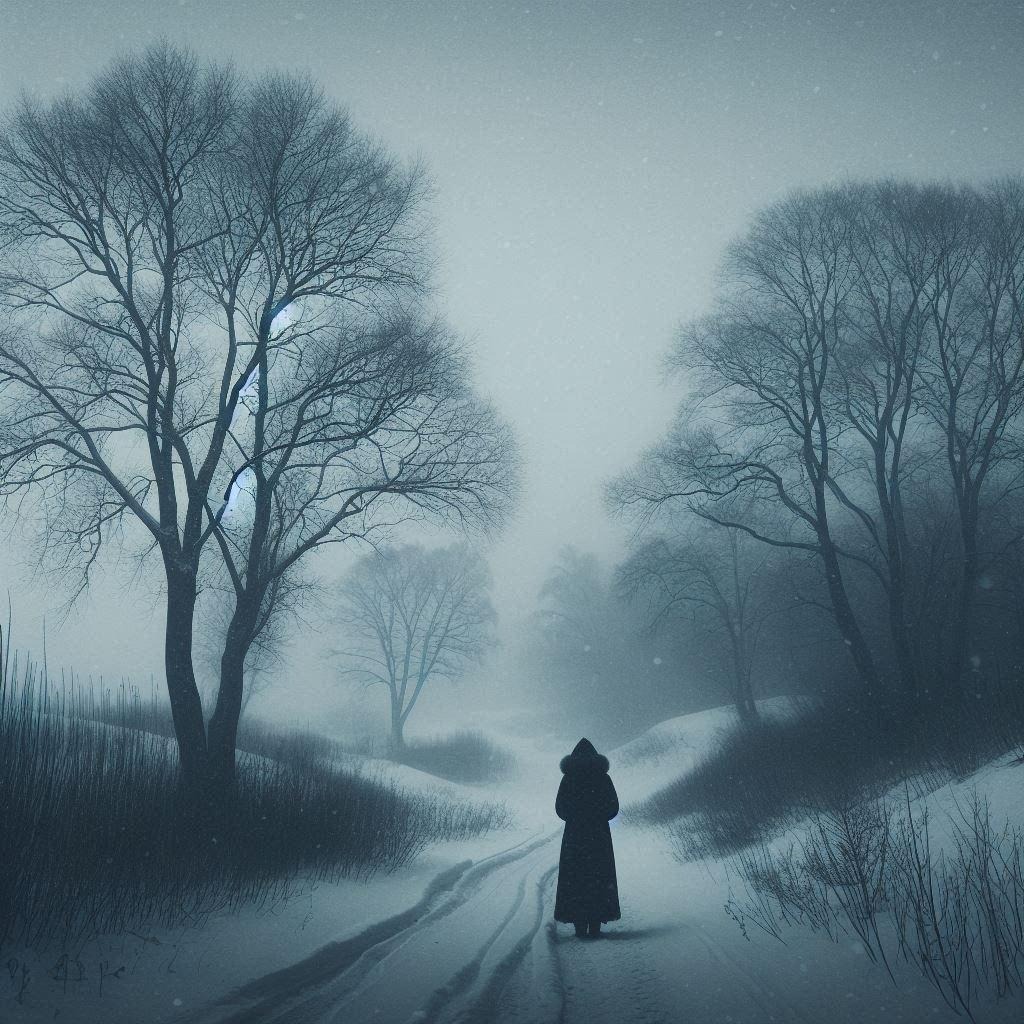
When winter comes, many feel more than just the weather changing. The shorter days, colder nights, and fading sunlight also bring a shift inside us.
This change isn’t just about feeling colder or a bit down. It creates a heavy weight that settles deep in the heart and mind. For some, this weight is more than discomfort. It becomes the place where struggles like substance misuse can start.
To truly understand why winter feels risky for addiction, we must look beyond the surface and recognize the pain and loneliness that often rise with the season.
Winter brings a quiet but powerful loneliness. With fewer distractions and less social warmth, many face their own thoughts, which can feel painful. Some turn to substances to numb this sadness or ease isolation. This coping method can quickly become a crutch when real connection is hard to find.
Winter also affects brain chemistry, causing seasonal affective disorder, which lowers mood and energy. It creates a deep longing for light and hope that many struggle to satisfy. On top of this, holiday pressures expect joy and connection, which can clash with internal feelings, increasing despair.
Many use drugs or alcohol to fill the gap between their reality and society’s expectations. Substance misuse isn’t about weakness; it signals underlying emotional pain. The real work is finding healthier ways to face the loneliness and struggles winter brings.
Here are three important points that help explain why winter can be such a risky time:
• Loneliness intensifies: The reduced social activities and fewer opportunities for connection leave people vulnerable to isolation, a known trigger for substance misuse.
• Emotional pain increases: Seasonal depression lowers mood and motivation; combined with winter’s heaviness, emotional suffering can become acute.
• Social expectations conflict with feelings: The pressure to appear festive contrasts sharply with internal struggles, leading some to seek solace in substances.
These challenges highlight the importance of seeking help rather than facing them alone. True recovery means healing both mind and heart, not just stopping substance use.
A recovery program like The Forest Recovery supports the whole person, addressing emotional pain and loneliness to help rebuild connection and healthier coping skills.
The signs of winter-related substance misuse can sometimes be subtle. Watch for behaviors such as increased reliance on alcohol or drugs during colder months, withdrawal from usual social contacts, or intensified feelings of hopelessness. These signs highlight the need for gentle intervention and understanding.
Building resilience in winter involves small but meaningful changes.
Winter’s shorter days lower sunlight, disrupting brain chemicals like serotonin and melatonin, which control mood and sleep. This leads to seasonal affective disorder, causing sadness and low energy.
When combined with isolation and social pressure, the brain may crave substances to boost mood or numb pain. Simply put, the brain feels cold and dark like winter itself, and substances become a way to spark warmth that ultimately fades. Winter’s darkness reflects an inner struggle many hide. Understanding this helps us replace judgment with compassion. Addiction is a response to pain, not failure, and within this truth lies hope for healing - even in the coldest months.