Facilities and operations teams live and die by budget predictability. When moves, renovations, or seasonal overflow hit, the question isn’t whether storage is needed—it’s how to control total cost without risking access, security, or asset condition.
Extreme temperatures, humidity swings, and poor air quality accelerate wear on paper files and sensitive materials. Authoritative standards for record preservation emphasize cool, dry, well-managed environments to minimize damage over time.
Square footage is only part of the equation. Unit dimensions, fit for the load, climate requirements, and access windows all shape cost. Selecting the smallest viable footprint with the appropriate environmental control prevents recurring overspend while protecting items that actually need tighter parameters. For corporate teams standardizing vendors, link contracts to clear, all-in pricing (no surprise admin fees) and reviewable inventory plans so finance can forecast by quarter.
The largest cost hits often come from delays—missed loading windows, weekend surcharges, or after-hours access. Build SLAs around reliable access, defined delivery/collection windows, and documented chain-of-custody. Continuity guidance for essential records explicitly recommends offsite protection and resilient access as part of business continuity planning—use that framework to justify service levels in contracts.
Security spend should map to asset sensitivity. For typical office contents, facilities with controlled entry, surveillance, and logged access offer strong value. Tie vendors reporting to your internal controls (visitor logs, release authorizations) so you’re buying only what you need.
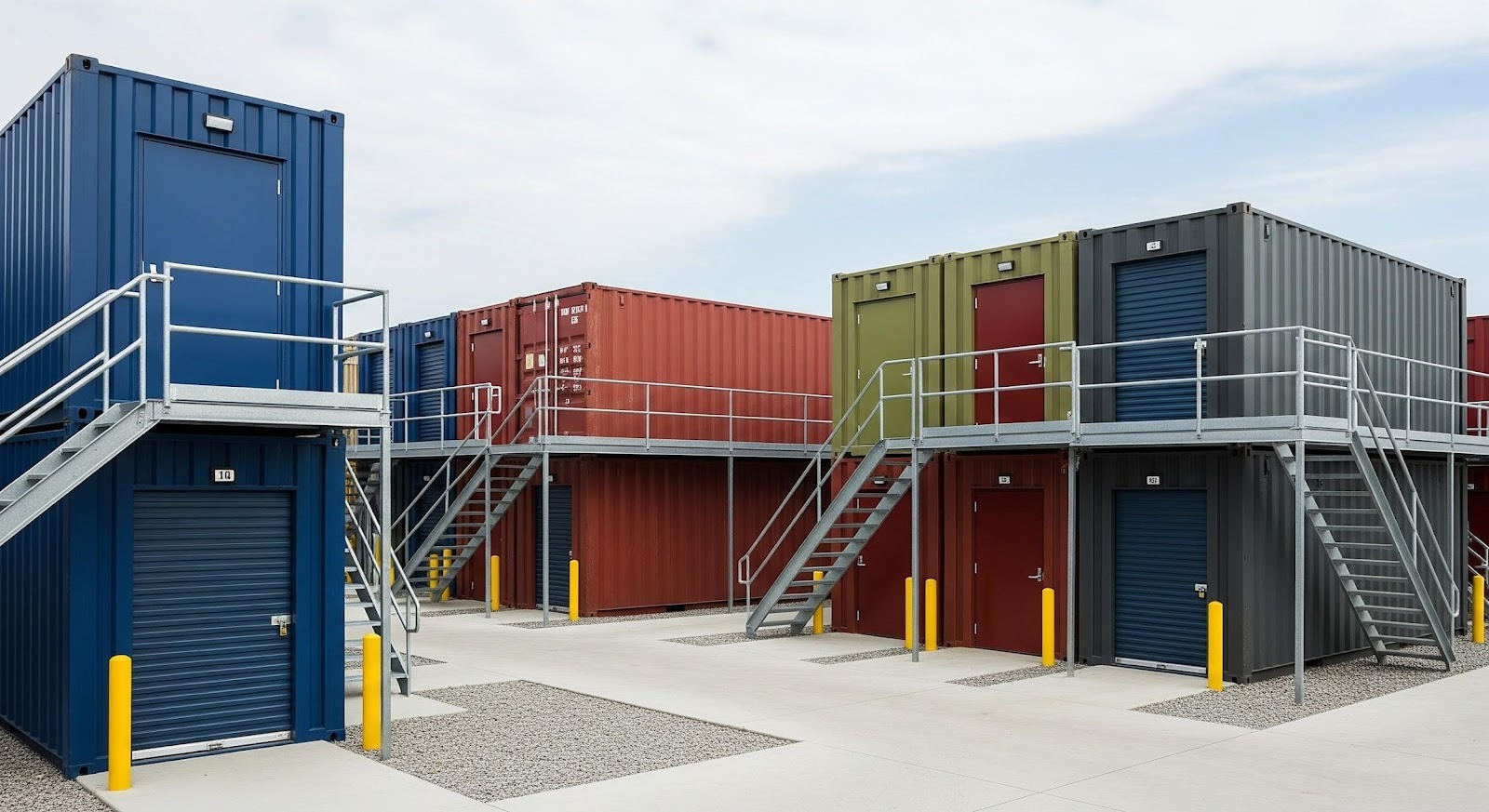
For teams consolidating locations or staging a phased renovation, consider a provider that offers predictable pricing, temperature-controlled options, and scalable unit sizes near your sites. As part of your market review, evaluate a reputable option for self-storage that aligns to these parameters.
Business continuity resources from emergency management agencies underscore that offsite storage of essential records reduces operational risk when incidents occur. Building that resilience into your plan isn’t a luxury—it’s a hedge against far costlier disruption.
When storage needs surge, the winning play is simple: define the environment, right-size the space, harden the schedule, and pay only for the controls you need. Set those terms up front, and the budget stops wobbling—even as projects move.