
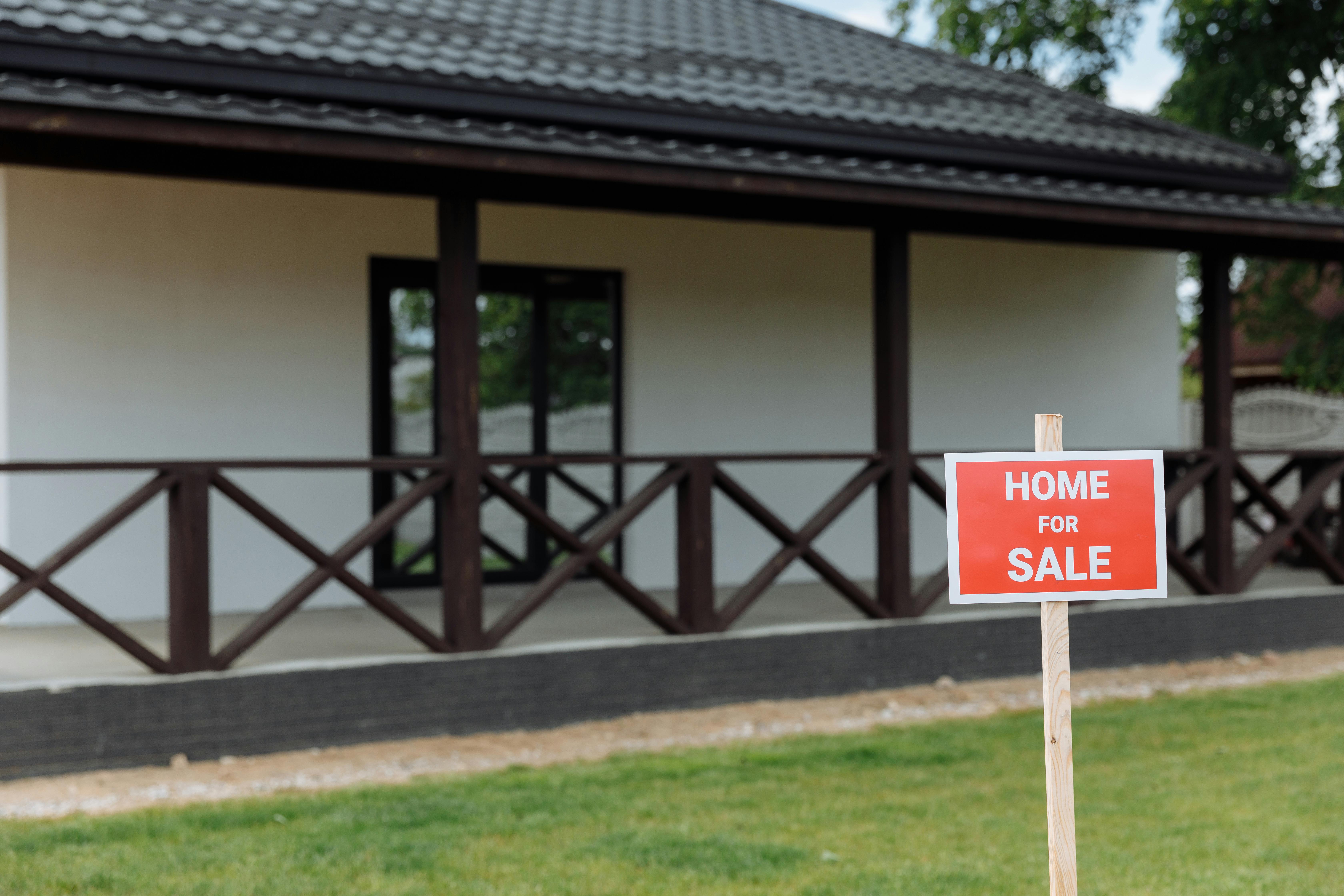
Photo by Thirdman : https://www.pexels.com/photo/property-with-red-and-white-home-for-sale-signage-8469934/
The 2026 housing market in the US is expected to see more transactions and slightly better affordability. According to USA Today, sales volumes are expected to increase by 14% (NAR data). Additionally, negotiating power will likely tilt slightly toward buyers, with more homes coming online and affordability improving.
If you are looking to sell, don’t expect a wild seller’s market. The year may witness a rise in existing home sales rather than a dramatic rebound. This means presentation, timing, and strategy will still matter a great deal. Sellers who treat 2026 as a market where buyers compare more options and scrutinize value are more likely to sell fast and at strong prices.
In this article, we will share a few mistakes that should be avoided to sell quickly and get the price you want in 2026.
In most U.S. markets, spring and early summer are ideal times to sell homes. As noted by Bankrate, those sold in May got a 13.1 percent seller’s premium over the last 13 years. The same report by ATTOM shows that winter is the worst time to list your home for sale. Spring listings in 2026 are going to follow the same pattern.
Now, let us highlight what can go wrong when you do not pay attention to this data. Listing at the wrong time, such as late winter without preparation, or during periods of high local competition, is a mistake to avoid. It can mean fewer showings, more days on market, and eventual price cuts.
To sell quickly in 2026, sellers should work backward from their ideal list date. Begin prep in January or February so the property hits the market as early demand ramps up. In slower or seasonal regions, timing the listing around local school calendars, major employers, or relocation cycles can also help target more motivated buyers.
In a market where buyers have more choice, cluttered and heavily personalized homes are at a serious disadvantage. Clutter does more than make a house look messy. Excess furniture, personal collections, and family photos make rooms feel smaller. Even worse, they prevent buyers from imagining their own lives in the space.
This mistake can lead to lower perceived value and weaker offers, even if the home is structurally sound. Avoiding it is easy and does not require a lot of work, but it can make a significant difference to the selling speed and value of a property.
Sellers should remove non-essential items, clear surfaces, thin out closets, and store personal photos and bold decor before professional photography and showings. Neutral wall colors, simple art, and light staging help spaces photograph better and make online listings more competitive.
A CNBC article cites a study by Zillow, indicating the role of certain features coveted by modern home buyers. An outdoor TV is on the top of their wishlists, and it can actually add a hefty $10,000 to the sale. Others include an outdoor shower, a bluestone patio, a pizza oven, and an outdoor kitchen. Small details like the right garage door trim can make a big difference.
According to Belco Forest Products, garage doors can transform the visual aesthetic of an outdoor space. Choosing the right material for garage door trim is a smart design decision. On the other hand, neglecting these features can leave you with a hard-to-sell property that may require pricing compromises.
Even simple issues like overgrown landscaping, peeling paint, or a neglected entryway can signal “deferred maintenance”. They can eventually trigger low offers or cause buyers to skip the property altogether. Quick updates, such as fresh mulch, trimmed bushes, and a power‑washed exterior, can meaningfully improve first impressions without major expense.
An Investopedia article shed light on a mistake that can sabotage your home-selling plan. Letting emotions drive your pricing decision is the worst thing you can do as a seller. Of course, you love your home and value it, but pricing it high can keep it sitting in the market for a long time. On the other hand, you may shortchange yourself by setting the price too low.
Forecasts for 2026 show modest price growth and a more buyer‑sensitive market, rather than a repeat of the bidding-war era. This makes overpricing especially risky. When a property is overpriced, it may eventually sell for less after reductions than a correctly priced home would have in the first place.
To avoid this, sellers should rely on recent comparable sales, local agent expertise, and current buyer demand. Steer clear of aspirational numbers or outdated peak‑market prices. Pricing slightly ahead of the market, competitive but not undercutting your own value, is the way to go. It can help generate multiple interested buyers early, which is key to selling quickly.
Projections point to 2026 as a year of gradual “reset,” with slightly lower mortgage rates, modest price growth, and more home sales compared with 2025. For current owners, waiting until 2026 could bring a somewhat larger buyer pool and more stable pricing. However, you should not expect dramatically higher values. The decision should also factor in personal timelines, local market conditions, and how long you plan to hold the property.
Major issues that decrease property value include structural problems, water or mold damage, outdated systems, and poor overall condition. Buyers anticipate high repair costs and risk when they spot these issues. Overpersonalized renovations, obvious deferred maintenance, and serious neighborhood concerns, such as high noise or crime, affect the value of a home.
Well‑planned improvements that align with buyer preferences tend to deliver the strongest returns. Some examples are modern kitchens and bathrooms, energy‑efficient upgrades, and attractive curb appeal. In 2026, move‑in‑ready condition and functional layouts for remote or hybrid work can significantly boost both value and speed of sale.
Selling a home quickly and at a good price requires a strategic approach, regardless of when you want to do it. Since 2026 looks like a good year for real estate, it may be the right time for home sellers to list their properties. However, before doing so, make sure that you are well-prepared and do not make any of these mistakes.











