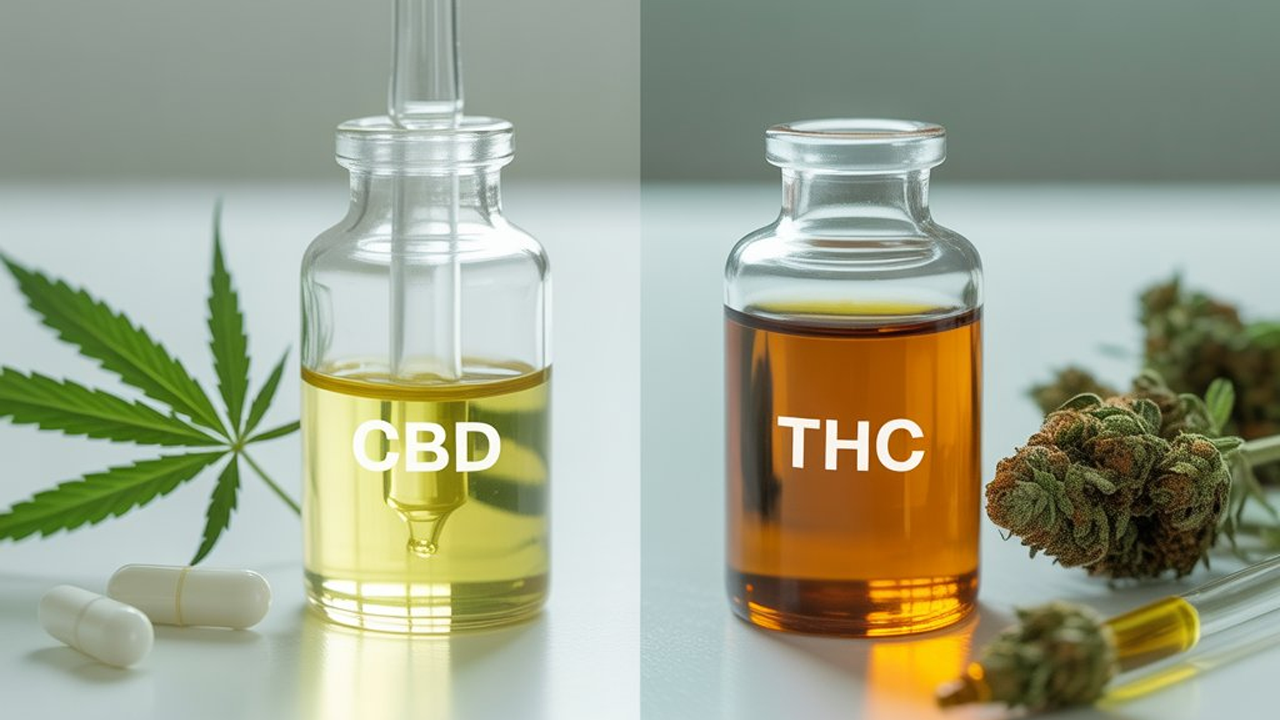
While reading a blog or passing through a dispensary and seeing a product labeled as "CBD Oil, or THC Tincture" you might wonder what the exact difference is between them. And which one might actually help with your symptoms.
The truth is, both compounds come from the same plant family, but they act quite differently in our bodies. This guide is for adults who are curious to know about cannabidiol (CBD) and tetrahydrocannabinol (THC), especially for adults who already have a medical marijuana card Pennsylvania or want to understand the differences.
CBD and THC are both cannabinoids. These are natural chemicals found in plants of the Cannabis genus. Now, what’s the key difference?
The difference lies in how they affect the mind and body. CBD is often described as "non-psychoactive," meaning it doesn't make you ‘high.’ On the other hand, THC is the "psychoactive" component.
It's what makes people experience euphoria. In simple words, it creates the relaxed sensation common with marijuana use.
Even though both compounds come from similar plant sources, the amount of THC in hemp-derived CBD products is much lower, and often controlled to avoid intoxication.
Both CBD and THC are being studied for potential therapeutic benefits. They interact with the body's endocannabinoid system, which helps regulate functions like mood, appetite, and pain. This means each has its own strength and trade-offs.
People often use CBD when they want relief without the intoxicating side effects. Early research suggests CBD may support symptom management for issues such as inflammation, mild anxiety, or discomfort, but effects vary widely from person to person and should be discussed with a healthcare professional.
Because of these psychoactive properties, it can be a powerful tool. That means it's sometimes more powerful for certain conditions. Licensed clinicians may recommend THC for certain patients experiencing symptoms such as significant pain, nausea, low appetite, muscle spasticity, or sleep disturbances, depending on the individual’s medical condition and physician assessment.
Here’s a quick rule of thumb that works for many people. CBD may be preferred by some adults seeking milder effects with lower risk of intoxication.
However, individuals with more significant medical symptoms may be advised by their physician to use higher-THC or balanced products, depending on their condition and state guidelines.
But you should always consult your doctor first, because a doctor-guided approach is safe and effective.
Effects vary widely between individuals, and any cannabis use should be discussed with a licensed Pennsylvania physician to ensure safety and compliance with state medical marijuana laws.
To learn more, you can refer to a guide on who qualifies for a medical marijuana card in Pennsylvania, supported by regulations from the Pennsylvania Department of Health.
Participation in Pennsylvania’s medical marijuana program allows patients to access licensed dispensaries and regulated products.
Always start slow and go slow, especially with THC.
In some U.S. states, including Pennsylvania, a regulated framework by the Pennsylvania Department of Health (PA DOH) controls medical cannabis use (THC or CBD).
Under Pennsylvania’s Medical Marijuana Act (Act 16), THC-containing products are available only to certified patients following a physician evaluation.
Pennsylvania residents who meet one of the state’s qualifying medical conditions may register for the medical marijuana program through PA DOH. For eligible patients, this offers a legal, safer way to access cannabis-based therapies.
CBD and THC aren’t rivals; rather, each may offer different types of symptom support when used appropriately and under a physician’s supervision. For everyday wellness, such as mild stress, occasional insomnia, CBD often delivers gentle support without disrupting daily routine.
For more serious issues, such as chronic pain, severe nausea, or medical conditions that qualify under state rules, THC under medical guidance might offer more significant relief.
In the end, the best choice depends on your unique needs, lifestyle, and health goals. Always consult with a qualified healthcare professional before starting any cannabis treatment.