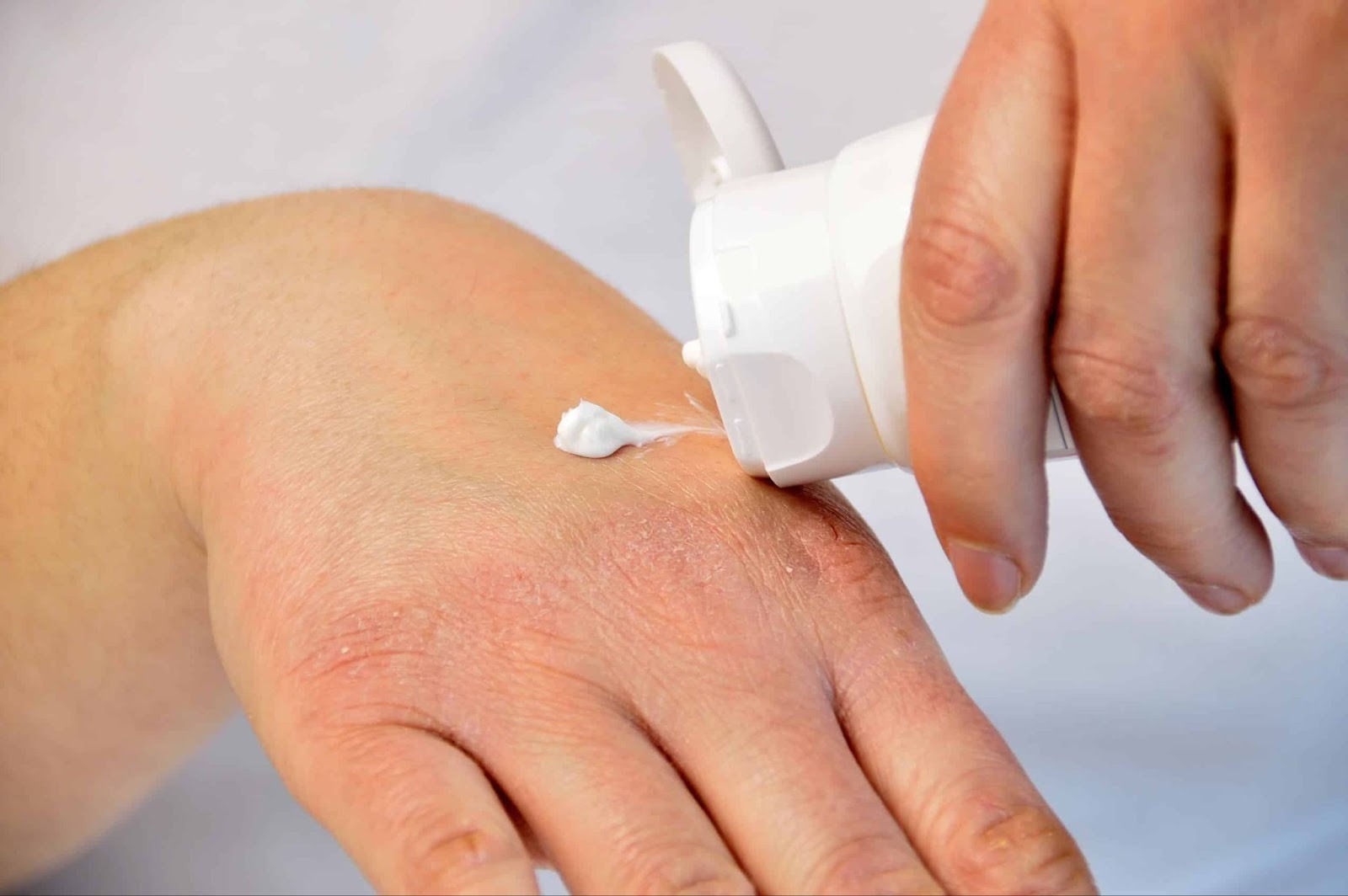
The first cold snap of the season is always a magical one, filled with warm sweaters, hot cocoa, and cool morning air. However, along with these autumn and winter pleasures comes another unwanted guest: parched skin that is tight, scaly, and even cranky. If you have ever wondered why your skin turns out to be in revolt as soon as temperatures drop, you are not alone. The good news? It is absolutely possible to prevent dryness when it becomes cold outside with the correct approach.
I will explain to you why this happens and, more to the point, what you can really do about it.
We should first see what is happening before getting down to solutions. When the temperature is low, the air contains lower amounts of moisture. That arid outdoor air combined with indoor heating is a two-fold blow to your skin. Whatever humidity is left is evaporated by the heaters, and your skin is left desperately attempting to retain its natural moisture.
The outermost layer, which is your skin’s protective barrier that holds moisture and keeps irritants out, gets beaten in cold months. The result? Your skin loses water more rapidly than your body can replace it, and now you feel tight and uncomfortable.
I understand that nothing can be better than a hot shower on a cold morning, but here is the point: really hot water deprives your skin of its natural oils. It is like doing the dishes; hot water dissolves the grease, and that same grease is the oil your skin needs.
Attempt to lower the temperature to warm (not hot) and keep showers short, in the range of 5 to 10 minutes. You will get used to it, and your skin will thank you.
Immediately after you pat yourself dry (do not rub hard, as that is not good for already sensitive skin), rub on moisturizer while your skin is slightly wet. This will seal in the moisture before it evaporates. Imagine it is like bottling water in instead of pouring it on.
That smear of lotion that you liked so much last summer? It might not cut it anymore. You should bring out the heavy hitters when the temperatures are low. Seek more plentiful formulas—creams, not lotions—or even ointments for especially dry parts.
Ingredients matter here. Find moisturizers containing hyaluronic acid (hydrating your skin), ceramides (strengthening your skin barrier), and occlusives such as shea butter or petroleum jelly that form a protective barrier. Use moisturizer often and abundantly—after washing your hands, after taking a shower, and at least once during the day.
Do not forget about body oils. Even a small portion of healthy oil applied to wet skin can perform miracles, particularly when applied to parts of the body that are highly vulnerable to extreme dryness, such as the knees, shins, and elbows.
Your lips are very susceptible, especially since they do not contain oil glands and the skin is thinner compared to the rest of your face. This is one of the reasons why they usually crack and peel when winter arrives.
Carry a good balm always, and apply it every now and then during the day. Find a lip care product that has a moisturizing ingredient such as beeswax, shea butter, or coconut oil. Do not lick your lips. You may do it because they feel dry, but the saliva only makes it worse because it evaporates and sweeps away other moisture, too.
A heavier layer of balm should be applied before bed. There are those who apply a dab of pure petroleum jelly as an overnight lip mask. It may be a bit heavy, but it is worth it when one wakes up with moist lips.
Our hands suffer all year round, but in winter, it is rough. We wash them often (which is hygienic but hard on the skin), we subject them to cold air, and most of the time we forget to cover them properly.
Buy a nice hand cream and carry it everywhere: at the kitchen sink, in your car, sitting at your desk, or in your bag. Use it each and every time you wash your hands. During the night, attempt to spread on a heavy coat and put on cotton gloves to sleep. It feels like an extra step, but your hands will be extremely soft in the morning.
It is not only the skin that gets dry; the hair and scalp get dry, too. There could be more flakes or static when it is colder, or the ends could be more brittle.
Consider washing your hair less frequently. Washing your hair every day may leave your scalp without the natural oils it secretes to safeguard itself. On the occasions that you do wash, use lukewarm water and apply the shampoo to your scalp, not the length of your hair.
Deep conditioning treatments are necessary in colder seasons. Seek out hair treatment products containing ingredients like argan oil, keratin, or natural butters because they are intensive moisturizers. A hair mask used weekly will assist in healing damage and avoiding breakage caused by dry and brittle strands.
A humidifier is one of the best tools to counter winter dryness, and this is something that people might not anticipate. This is because these devices restore moisture to the air and thus prevent the moisture in your body from being pulled out.
Install one in your bedroom while sleeping or in the room where you spend most of your time. The target is to achieve a 30-50% humidity level inside the premises. You will probably feel a difference not only in your skin but also in your general comfort.
It is almost the most basic of tips, yet increased consumption of water does make a difference. Well-hydrated skin will be more likely to keep its moisture levels up when it is properly hydrated internally.
We also do not get as thirsty in cold weather as we do in summer, yet your body still needs that fluid. Four glasses should be the minimum, and warm drinks such as herbal tea can be added to make hydration even more attractive since it is cold outside.
Protect yourself before you go outside in the cold by applying a thick moisturizer or even oil on your face to provide a shield. Do not leave out sunscreen—just because it is not sweltering does not mean that UV rays are not harming your skin.
Wear scarves, hats, and gloves when you can to cover exposed skin. Just ensure that your winter accessories are made using soft, breathable materials, as opposed to coarse wool that may scratch skin that is already sensitive.
Different people have different skin types, and what might suit your friend may not suit you. Be mindful of the reaction of your skin toward various products and routines. In case it stings or irritates, quit using it. If a part of you is always dry despite your attempts, then you may want to visit a dermatologist to eliminate conditions such as eczema.
Cold weather does not imply uncomfortable and unhappy skin. It only takes a few changes to your routine and a little extra concern with moisture to ensure that your skin remains soft and comfortable throughout the season.