Remember the last time you tried getting help from a customer service chatbot? You probably spent five minutes clicking through menus, only to end up more frustrated than when you started. Even newer assistants like Amazon's Rufus or Walmart's Sparky shopping helper show us we're in a transition period. They're better than old chatbots, but they're still finding their footing. Those rigid, scripted interactions are quickly becoming relics of the past.
Something fundamentally different is happening in retail right now. We're watching the emergence of AI assistants that don't just respond to commands, they actually think ahead, make decisions, and take action on your behalf. These aren't your typical chatbots anymore.
Evolution of chatbots
Let's be honest about what we've been dealing with. Traditional retail chatbots operate like those old "choose your own adventure" books. They follow predetermined paths, recognize specific keywords, and get completely derailed when you ask something they weren't programmed to handle.
I tested this myself last month while trying to return a jacket. The chatbot kept asking if I wanted to "track my order" or "view products" when all I needed was a return label. After the third loop through the same menu, I gave up and called customer service. We've all been there.
These systems work fine for the most basic questions store hours, shipping costs, password resets. But the moment your question requires any actual reasoning or personalization, they fall apart. They can't understand context, remember what you said two messages ago, or connect information across different parts of your request.
Agentic AI represents a completely different approach. Instead of following a script, these systems can set their own goals, plan multiple steps ahead, and adjust their strategies based on what they learn along the way.
Think of it this way: traditional chatbots are like vending machines. You press a button, you get a predetermined response. Agentic AI is more like having an actual personal shopper who understands what you're trying to accomplish and figures out the best way to help you get there.
Here's a real example. A customer tells an agentic shopping assistant they're looking for "something nice to wear to a beach wedding in June." A traditional chatbot might just show formal wear or beachwear based on keywords. But an agentic system? It considers the season, the setting, the dress code implications, checks inventory across multiple categories, reviews the customer's past purchases and size history, and then proactively suggests complete outfits with accessories. It might even flag that certain items are low in stock and offer to notify the customer when they're restocked.
The assistant isn't just retrieving information it's actually reasoning through a problem and taking initiative.
The technology behind agentic AI combines several capabilities that weren't possible even a couple years ago. These systems use large language models as their foundation, but that's just the starting point.
What makes them "agentic" is their ability to break down complex requests into smaller tasks, decide which actions to take, use various tools and APIs to gather information or complete transactions, learn from the results, and adjust their approach accordingly.
When you ask an agentic assistant to help plan your home office setup, it doesn't just list products. It might check your previous purchases to understand your space constraints, compare specifications across multiple items, calculate whether products will fit together, check real-time inventory and delivery dates, and even place items in your cart or apply relevant discounts automatically.
The whole interaction feels less like talking to a program and more like working with someone who genuinely understands what you need.
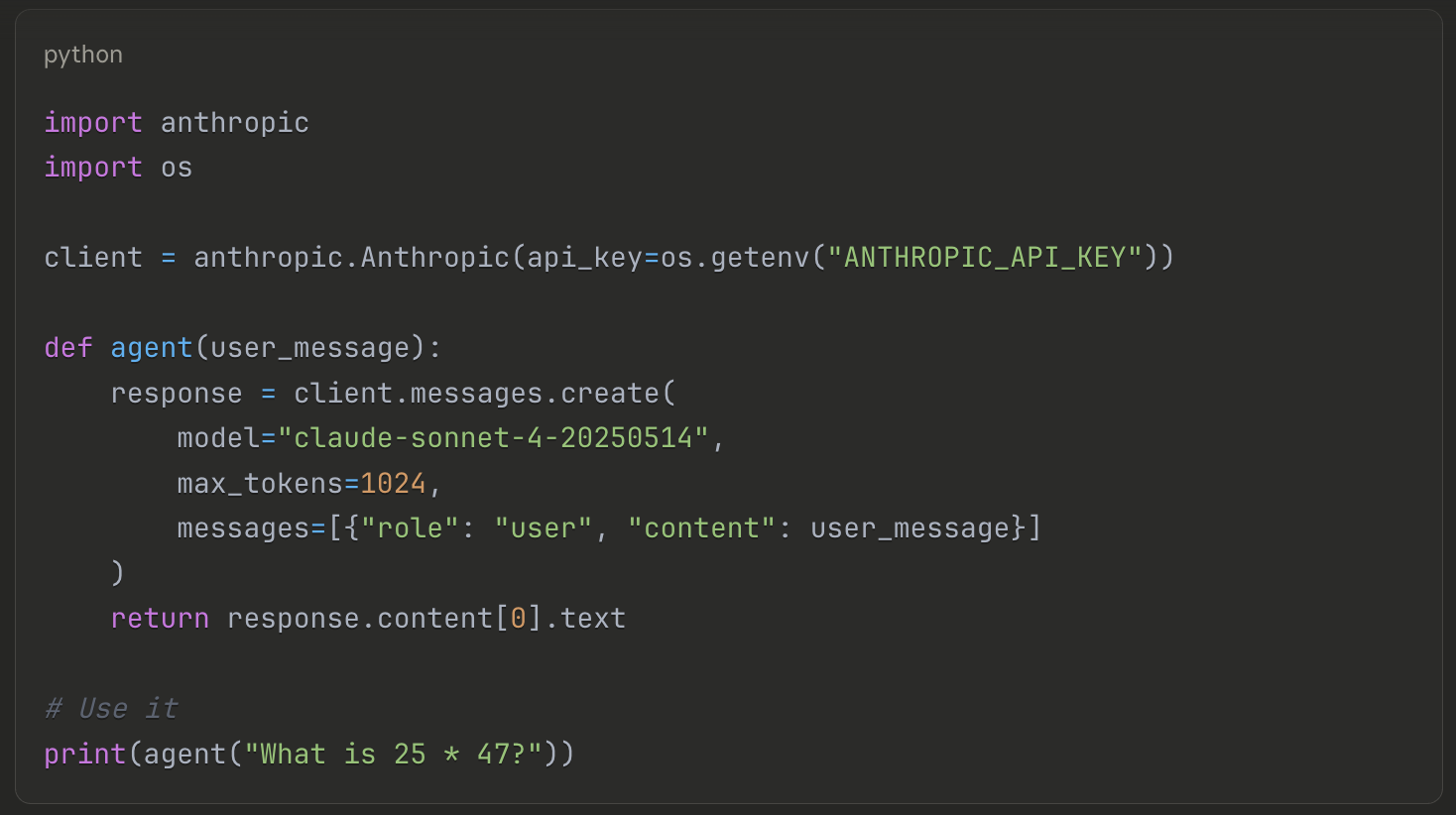
In fact if you want to build an agent, here is how you can build one and try
This isn't speculative technology anymore. Several major retailers have rolled out agentic AI systems over the past year, and the results are pretty striking.
Some clothing retailers now use autonomous assistants that help customers build entire wardrobes. The AI doesn't just recommend individual items it considers your style preferences, suggests pieces that work together, accounts for seasonal changes, and can even plan outfits for specific occasions you mention.
In grocery retail, agentic systems are helping customers with meal planning. Tell the assistant you want healthy dinners for a family of four this week, and it creates recipes based on your dietary restrictions and past purchases, checks which ingredients you likely already have, adds missing items to your cart, and optimizes for both nutrition and budget.
One furniture retailer I spoke with has an assistant that helps customers redesign rooms. It asks about measurements, suggests layouts, recommends pieces that fit the space, and can visualize how different options would look together. When customers decide on items, the system handles the entire purchase process including coordinating delivery dates.
The electronics sector is using these systems to help customers solve technical problems. Instead of routing people through endless troubleshooting menus, agentic assistants diagnose issues by asking clarifying questions, recommend specific solutions, order replacement parts if needed, and can even schedule technician visits.
The practical differences are obvious the moment you use one of these systems. Shopping becomes faster because you're not navigating through multiple pages and menus. You get better recommendations since the AI understands context and can reason about what actually makes sense for your situation.
But there's something else that surprised me. These assistants can actually advocate for you in ways traditional chatbots never could. They proactively find discounts you might have missed, suggest better alternatives when items are overpriced or out of stock, warn you about common issues with products based on review patterns, and handle problems without making you repeat information or start over.
Last week, I watched an agentic assistant help my friend buy running shoes. She mentioned she'd had knee problems, and the system not only filtered for appropriate support features but also flagged several highly-rated models that were about to go on sale in three days. It offered to save her cart and send a reminder. That kind of helpful thinking ahead just doesn't happen with traditional retail automation.
Of course, this technology isn't perfect, and there are legitimate concerns worth discussing.
The autonomy that makes these systems useful also introduces risk. When an AI can actually take actions like placing orders or processing returns, mistakes become more consequential than just giving a wrong answer. Retailers need robust safeguards to prevent errors.
Privacy is another genuine issue. For agentic AI to work well, it needs access to significant amounts of customer data, purchase history, browsing patterns, preferences, even contextual information about upcoming events or needs. Companies have to be transparent about what data they're using and give customers real control over it.
There's also the question of over-optimization. These systems are designed to drive sales, which could lead to subtly manipulative behaviors if not carefully constrained. The line between helpful suggestions and aggressive upselling can blur.
And we shouldn't ignore the employment implications. While these systems create some new jobs in AI development and oversight, they're explicitly designed to replace human customer service representatives. That displacement is real and affects real people.
For companies considering this technology, the implementation challenges are significant. You can't just plug in an agentic AI system and expect it to work. It needs to integrate deeply with inventory systems, customer databases, payment processing, logistics platforms, and everything else that makes retail operations function.
The most successful deployments I've seen start small. One retailer began by using agentic AI only for post-purchase support, letting it handle returns, exchanges, and tracking questions. Once they worked out the integration issues and safety guardrails, they gradually expanded to pre-purchase assistance.
Training matters enormously too. These systems need to understand your specific products, policies, and brand voice. Generic AI models don't know the difference between your premium and economy product lines, or understand your return policy nuances, or recognize when to escalate issues to human representatives.
The companies doing this well are treating agentic AI as a new kind of employee that needs onboarding, oversight, and continuous improvement not as a set-it-and-forget-it technology solution.
The trajectory seems pretty clear. Within the next few years, agentic AI assistants will likely become the default interface for online retail. The traditional website navigation model categories, filters, search boxes will increasingly feel outdated.
We're already seeing early experiments with assistants that work across multiple retailers, helping you comparison shop or find items regardless of which store carries them. That could fundamentally change competitive dynamics in retail.
The technology will also get better at handling increasingly complex tasks. Current systems are impressive, but they still struggle with truly open-ended creative requests or highly unusual situations. As the underlying AI models improve, those limitations will fade.
I expect we'll see these assistants expand beyond shopping into broader lifestyle management. An assistant that knows your wardrobe, calendar, and preferences could proactively suggest what you need before you even think to shop for it.
The shift from traditional chatbots to agentic AI isn't just an incremental improvement, it's a fundamental rethinking of how customers interact with retail businesses. These systems can actually understand what you want, reason about how to help you, and take action to accomplish goals.
For shoppers, this means more helpful, efficient, and personalized experiences. For retailers, it means deeper customer relationships and more efficient operations, though also significant implementation challenges and responsibilities.
The technology is still evolving, and there are legitimate concerns to address around privacy, employment, and AI safety. But the basic trajectory is clear: the days of frustrating, scripted chatbot interactions are numbered.
The next time you shop online and find yourself actually impressed by how helpful the AI assistant is, you're probably experiencing agentic AI in action. It's a noticeable difference and once you've used it, going back to traditional chatbots feels like stepping into the past.