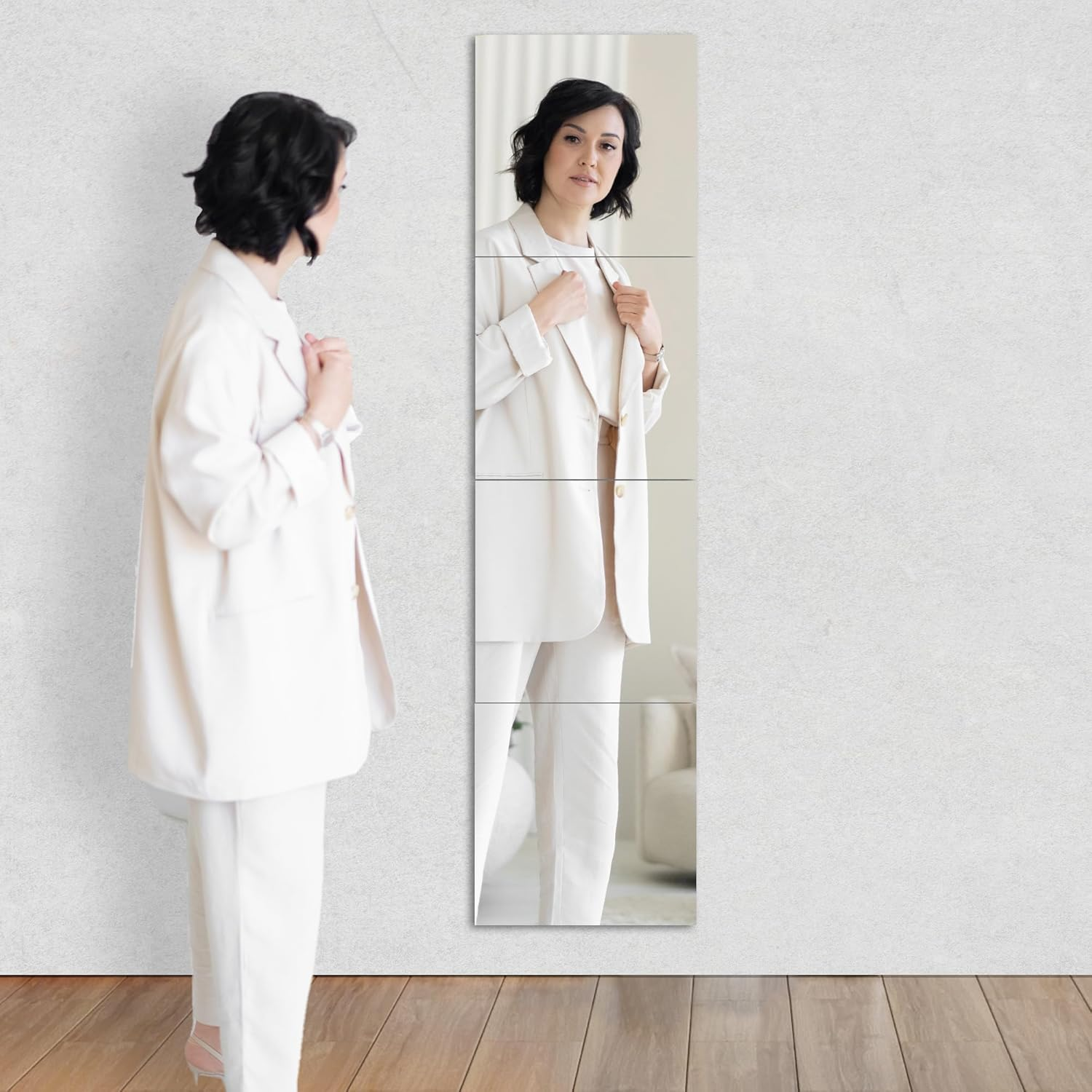
Mirror tiles for walls are a versatile and glamorous interior design element, offering a powerful way to dramatically transform any room. Far beyond simple reflections, these mirrored accents are a sophisticated tool used by designers to manipulate light, create an illusion of greater space, and inject an immediate sense of luxury and visual interest. Whether you are aiming for a sleek, contemporary look or a vintage, Art Deco aesthetic, mirror tiles for wall provide an adaptable, high-impact solution that can elevate your home's style and functionality.
This extensive, information-only guide explores everything you need to know about incorporating mirror tiles into your wall designs, covering their undeniable benefits, the diverse types available, and creative design ideas to inspire your next project.
The popularity of using mirror tiles on walls is rooted in a host of practical and aesthetic advantages that go unmatched by traditional wall coverings.
Perhaps the most celebrated benefit, mirror tiles are masters of visual deception. By reflecting the room itself, the walls, and the floor, they effectively create a perception of depth and continuity, tricking the eye into believing the space is much larger than its actual dimensions. This makes them an invaluable asset for small rooms, narrow hallways, and compact apartments, transforming confined areas into seemingly more open and welcoming spaces.
Mirror tiles are exceptional at gathering and bouncing light—both natural sunlight and artificial illumination—throughout a room. Placing them opposite windows maximizes daylight, spreading a cheerful, bright ambiance and potentially reducing the need for constant artificial lighting. This natural light amplification is crucial for brightening up dim corners and north-facing rooms that lack adequate sun exposure.
When used on an accent wall or as a framed feature, mirror tiles instantly draw the eye, establishing a dynamic focal point. The reflective quality adds a sense of glamour and movement, turning a simple wall into a piece of art. The modular nature of tiles allows for intricate, patterned arrangements that are far more engaging than a single, flat mirror.
Available in a wide array of shapes, sizes, and finishes, mirror tiles can be customized to match virtually any interior style. From a minimalist grid to a complex mosaic, their application allows for bespoke designs that are uniquely tailored to the room's architecture and the homeowner's personal taste. They can be applied to full walls, half-walls, ceilings, backsplashes, and even to frame existing architectural features.
High-quality mirror tiles, often made with strengthened glass or shatter-resistant acrylic, offer a durable, long-lasting wall surface. Unlike wallpaper or some painted finishes, they are exceptionally easy to clean, typically requiring only a standard glass cleaner and a soft cloth to maintain their sparkle and clarity for years.
The market offers a stunning variety of mirror tiles, each providing a distinct look and feel. Choosing the right type is key to achieving your desired interior aesthetic.
The versatility of mirror tiles for wall applications allows for limitless creative expression.
Dedicate an entire wall, such as the one behind a sofa in the living room or the headboard in a bedroom, to an arrangement of beveled or patterned mirror tiles. This transforms the wall into a breathtaking centerpiece that reflects the room's decor and illuminates the space.
In the bathroom, mirror tiles are a natural fit. Instead of a standard mirror, use mosaic mirror tiles for the vanity backsplash or cover an entire wall to visually double the size of a small space. Tinted tiles can provide a high-end, spa-like atmosphere.
A mirror tile backsplash is an excellent choice for a kitchen, reflecting under-cabinet lighting and making the cooking area feel more open and brighter. Consider a subway tile shape for a modern twist on a classic design, or small mosaic pieces for a vibrant texture.
Narrow entryways and hallways can often feel dark and claustrophobic. Installing horizontal rows of mirror tiles can dramatically widen the perception of the corridor, making the entrance to your home feel more grand and welcoming. Positioning them to reflect a beautiful light fixture amplifies the effect.
Utilize different shapes, such as hexagon, diamond, or trapezoid tiles, to create custom geometric patterns. Arranging these to leave small gaps of the underlying wall color can produce a sophisticated, modern, and high-impact art installation.
While DIY installation is possible, especially with smaller, lighter tiles that use adhesive squares or peel-and-stick backing, professional installation is often recommended for larger, heavier glass tiles to ensure a perfectly level and flawless result.
Mirror tiles for wall applications are much more than a decorative trend; they are a timeless and functional element of interior design. By carefully selecting the style, shape, and placement, you can effortlessly introduce light, space, and high-style luxury into any room of your home.