Determining who is responsible for a road accident is often complicated. Drivers may give conflicting statements, witnesses may be unavailable, and physical evidence can be unclear. In such situations, traffic cameras and red-light cameras play a crucial role in providing factual, unbiased proof.
These automated systems capture real-time events exactly as they occur, offering valuable visual evidence that can help investigators, insurers, lawyers, and courts establish fault more accurately and quickly.
How Do Traffic and Red-Light Cameras Capture Critical Evidence?
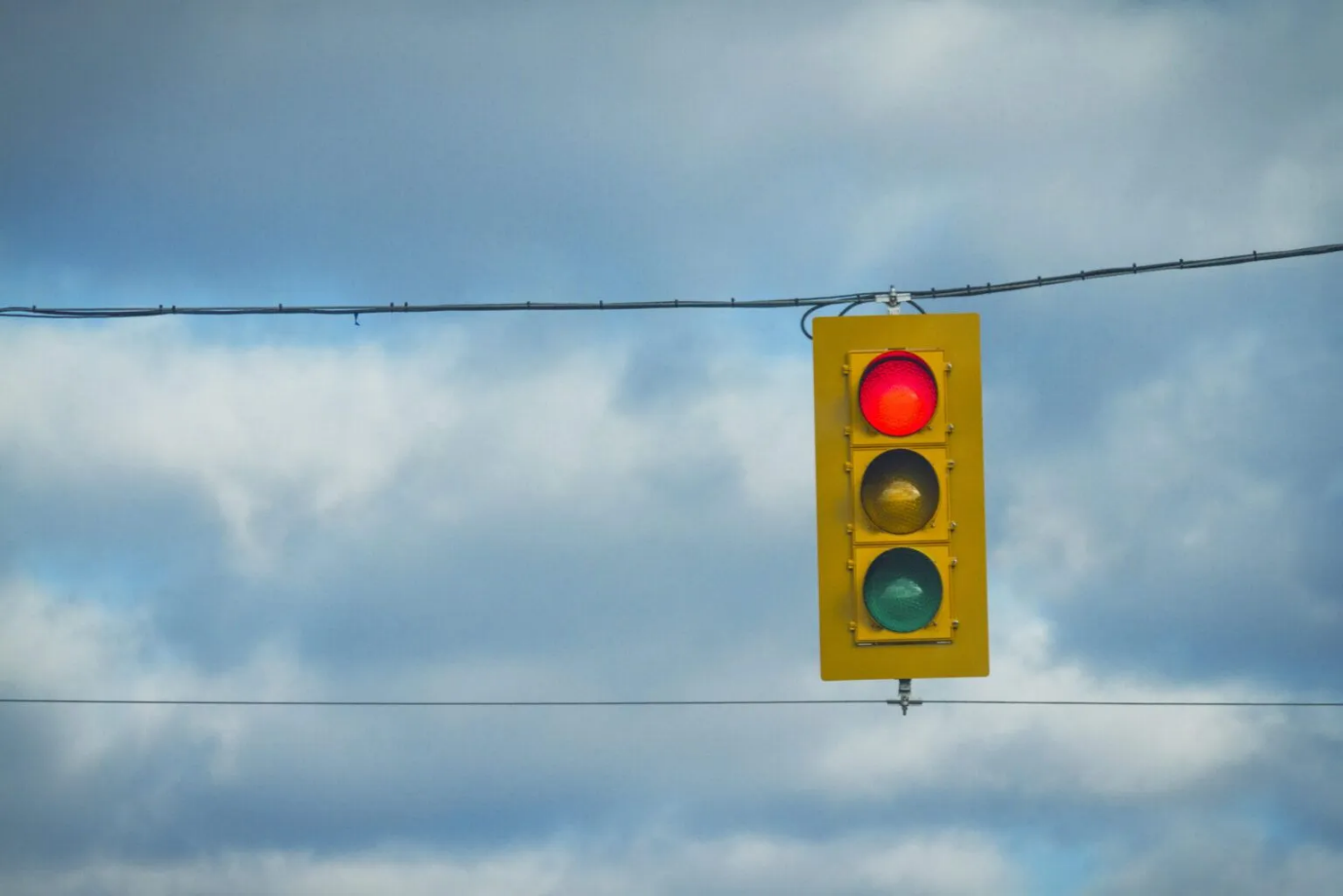
Traffic and red-light cameras are strategically installed at intersections, highways, accident-prone zones, and busy roads. They continuously monitor vehicle movement using sensors, radars, or automated triggers such as a vehicle crossing the stop line after the signal turns red. These systems play a crucial role in reducing unsafe driving behaviors, which are among the leading causes of traffic fatalities. These systems record:
Because the data is automatic and time-stamped, it becomes a reliable and tamper-proof source of evidence.
What Specific Details Can Cameras Reveal About the Accident?
Camera footage often provides crucial details that may otherwise be missing from eyewitness accounts. It can show:
This precise visual evidence helps reconstruct how the accident occurred and who violated traffic rules.
How Do Cameras Help Identify Faults More Accurately?
Determining fault requires understanding who acted negligently. Cameras help by providing an unbiased view that eliminates guesswork. For example:
This clear evidence helps police and insurance companies assign fault with confidence.
Can Camera Footage Strengthen Insurance Claims and Legal Cases?
Yes. Insurance companies rely heavily on documentation to evaluate claims. Camera footage can:
In legal proceedings, video footage is often considered more persuasive than verbal statements, making it an essential asset in contested accidents.
How Do Police and Investigators Use Camera Evidence in Accident Reconstruction?
Police agencies often request camera recordings to reconstruct the sequence of events more scientifically. They may analyze:
This helps investigators create an accurate accident reconstruction report, which can be used in legal proceedings and insurance assessments.
Are Drivers’ Privacy Rights Protected When Cameras Are Used?
While cameras capture public roadway activity, privacy laws typically ensure that footage is used only for legitimate purposes such as
Access to footage is usually restricted, and unauthorized use is prohibited. This balance allows cameras to provide safety benefits without compromising individual rights.
How Can You Obtain Camera Footage After an Accident?
If you are involved in an accident, obtaining footage quickly is important because recordings are often deleted after a short period. You can request footage by:
Providing the exact date, time, and location helps speed up retrieval.
Key Takeaways