
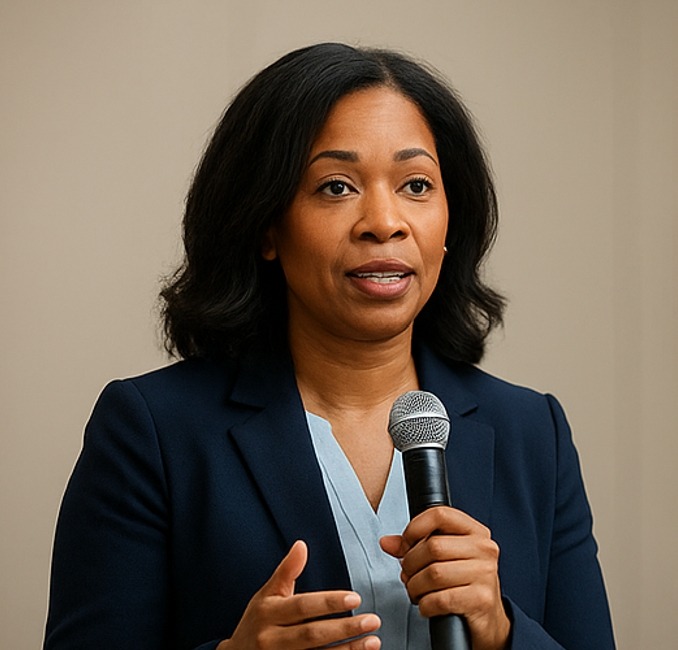
Affordable housing has become one of the most pressing policy issues in the country, and the voices shaping the future of that sector increasingly determine what communities will look like for generations. Among those voices, Marissa Haugh is emerging as a respected source of guidance, clarity, and practical field experience. In her work as an urban planning consultant, Marissa Haugh brings a perspective grounded in community relationships, data informed policy work, and a commitment to equitable outcomes that reflect what residents say they need rather than what developers assume they want.
Her leadership is part of a broader shift. Across the United States, more women are entering roles in public planning, real estate strategy, and community development. Yet representation at key planning tables remains far from equal. This imbalance is more than a workplace statistic. In the affordable housing space, where decisions shape family stability, neighborhood identity, and long-term access to opportunity, the absence of women often means the absence of viewpoints shaped by lived experience that is not always reflected in traditional planning structures. The perspective that Marissa Haugh brings into these rooms is a reminder that representation changes outcomes.
The idea that diverse leadership improves community outcomes is not a new concept, but it has become increasingly urgent within the affordable housing field. Housing decisions affect everyone, yet the planning, approval, and zoning processes remain dominated by voices that are not always representative of the residents most affected. Women, especially women of color, often carry the lived experience of navigating housing insecurity, limited childcare access, transportation gaps, and neighborhood displacement. These realities inform priorities that can change the direction of a planning project entirely.
Marissa Haugh speaks openly about the importance of elevating these viewpoints. Growing up in Long Branch, she observed how development decisions often overlooked specific neighborhoods, leaving long term gaps in opportunity. Those early observations shaped her career path. Her work now reflects a consistent focus on ensuring that community members receive an active voice throughout the development process and that decisions are not made without the insight of people who understand daily life within these communities.
When discussing the misconception that affordable housing benefits only those with the lowest incomes, Marissa Haugh often reminds stakeholders that the issue touches the entire workforce. Educators, healthcare workers, hospitality staff, and first responders rely on stable housing to remain in the communities they serve. Her emphasis on practicality and clarity helps reframe public conversations that can quickly become clouded by political rhetoric or incomplete information.
Even as more women enter the planning profession, they continue to encounter deep rooted structural challenges. Zoning restrictions, limited access to leadership roles, entrenched political resistance, and the pressure to conform to legacy planning traditions can make it difficult to introduce new approaches. This is especially true in New Jersey, where outdated zoning laws and strong local opposition often stall projects before they begin.
For professionals like Marissa Haugh, the work requires both technical expertise and the ability to navigate systems built without diverse leadership in mind. She points to political will as one of the biggest obstacles in the movement for housing equity. Many leaders publicly acknowledge that affordable housing is necessary, but support tends to waver when specific projects reach individual districts. This disconnect is one reason women are needed at the planning table. Their presence expands the viewpoints considered at early stages when strategy is still flexible.
The push for more women in affordable housing planning is not symbolic. It is tied directly to decision quality. Teams with varied backgrounds are more likely to identify gaps in community outreach, understand childcare needs that influence unit mix, recognize access issues that shape transit patterns, and question assumptions about density limits that may no longer reflect local demographics. These are the practical insights that make equitable housing successful.
A defining feature of the work done by Marissa Haugh is her insistence on community first planning. This approach prioritizes local voices at every stage of a project and treats community members as partners rather than passive stakeholders. Instead of relying solely on public hearings or scheduled information sessions, she takes a more direct approach to engagement. She meets residents in places where they already gather and talks with them about what they want to see in their neighborhoods.
This method produces two outcomes. First, it strengthens trust, which is essential in communities that have historically been overlooked. Second, it ensures that development proposals align with long term needs rather than short term interests. When residents request childcare access, safer outdoor spaces, or mixed income housing, those requests become the basis for planning decisions. This is the reason the redevelopment project in Monmouth County, which included mixed income units and an on site childcare center, became one of the projects she is most proud of. It began with resident feedback and ended with a development that strengthened the surrounding community.
Community first planning requires patience and persistence. It also requires planners who are willing to take a collaborative rather than oppositional stance with residents. Women often excel in this type of engagement because they approach planning as a relational discipline rather than a transactional one. When more women are present at planning tables, engagement strategies tend to shift in ways that lead to stronger outcomes.
Housing stability influences nearly every measure of community well being. Access to affordable homes affects children’s educational consistency, workforce participation, local economic growth, physical health, and long term neighborhood cohesion. When the individuals evaluating projects do not reflect the lived experiences of those impacted by these outcomes, communities absorb the consequences.
The advocacy work of Marissa Haugh highlights this connection. Her efforts to close the gap between policy and daily life help clarify why women must be present in decision making roles. They often carry direct knowledge of how housing policy intersects with safety, caregiving, transportation access, and household financial pressure. These intersections frequently go overlooked, yet they shape the real world functioning of affordable housing developments.
Representation accelerates better solutions. When women participate in zoning reform discussions, they are more likely to raise concerns about street lighting, transportation reliability, and onsite community resource placement. When women contribute to affordable housing planning, they question assumptions that may limit density or exclude mixed income designs. These contributions strengthen the overall process and lead to developments that last.
The national housing crisis has many causes, but lack of equitable planning leadership is one of the most overlooked. The country does not face a shortage of land. It faces a shortage of coordinated decision making that prioritizes inclusive growth. Cities must reconsider zoning frameworks, expand transit oriented planning, and make long term commitments to affordability. These efforts benefit from leadership teams that look like the communities they represent.
Marissa Haugh argues that the solutions to the housing crisis already exist. They require a willingness to implement strategies that planning professionals have discussed for years. The challenge is not new information. It is courage and representation. When women and professionals with diverse backgrounds are placed at planning tables, long stalled ideas often move forward because the perspectives in the room finally reflect the needs of the people who live in these communities.
The next decade will determine the direction of affordable housing throughout the country. Cities already face rising displacement pressure, aging infrastructure, and widening affordability gaps. The decisions made now will shape neighborhood identity far into the future. This is why professionals like Marissa Haugh emphasize the need to bring more women into planning roles. The future of equitable housing depends on leadership that understands community reality, not just development projections.
Promoting more women to these positions helps reinforce trust, transparency, and shared decision making. It also ensures that discussions about community well being incorporate viewpoints that have traditionally been excluded from planning power. For younger professionals, especially women of color entering the field, the path forward is clearer when they can see leaders shaping policy with confidence and purpose.
The call for more women at the planning table is not a commentary on individual capability. It is a recognition that communities improve when leadership reflects the people who live in them. Marissa Haugh continues to demonstrate how community first planning, data informed strategy, and equitable decision making can reshape the housing landscape. Her work underscores the importance of inviting more women into these roles and ensuring that their perspectives become part of the foundation of future projects.
Her career is a reminder that the progress of the affordable housing movement depends on representation, persistence, and a willingness to build trust through real engagement. Women belong at the planning table because the communities most affected by housing policy deserve leaders who understand their experiences and advocate for solutions that last.











