If you’ve ever stared at a shelf wondering which nicotine pouches are right for you, you’re not alone. You face three recurring pain points: stre`ngth labels that feel inconsistent across brands, formats that don’t sit comfortably or discreetly under your lip, and flavor fatigue that creeps in after a few days. You also want straightforward guidance on storage, shelf life, and disposal so you can use products responsibly. This article helps you navigate choices for the best nicotine pouches with calm, practical steps—so you can match strength to tolerance, choose a fit you barely notice, and build a routine that’s safe and sustainable for your day.
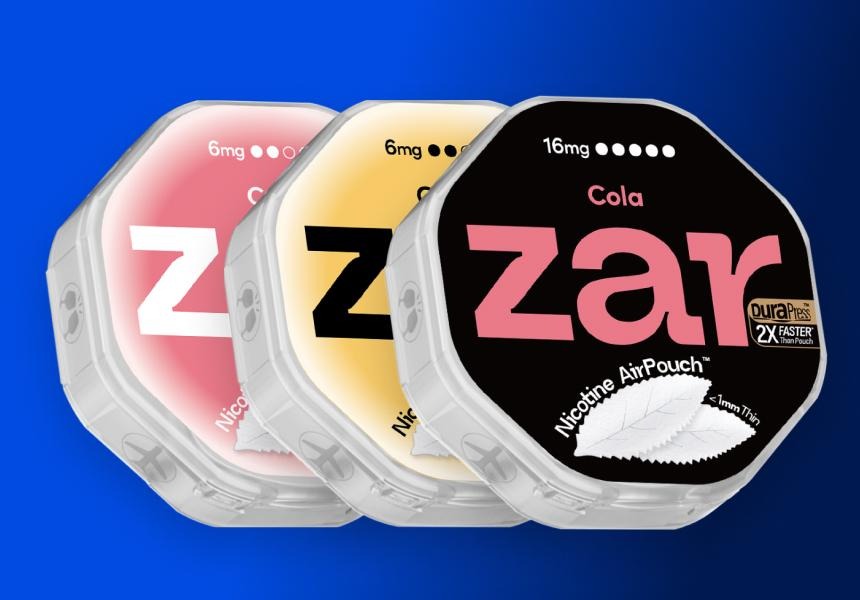
You’ll see more “thin” designs on the market because less bulk usually equals more comfort and discretion. One example is Zar AirPouch, which features an ultra-slim, tobacco-free pouch design and organizes options by flavor families and multiple nicotine levels. Treat brand claims like any product specs: use them to shortlist, then rely on your own comfort and the labeled directions as your final guide.
The best nicotine pouches for you balance four things: the lowest effective strength, a format that feels natural, flavors you actually enjoy after day five, and packaging that suits your routine. Instead of chasing hype, decide what “best” means for your mouth feel, schedule, and budget.
Pick a starting strength you can handle on a busy day. If you’re switching formats or are sensitive to nicotine, start lower and shorten sessions. You can always step up later—but the best nicotine pouches for daily use are the ones you barely notice doing their job.
Scan can count and pricing before you commit. A pouch you love but can’t reasonably keep on hand isn’t “best” in practice. Aim for consistency: it’s easier to manage intake when your can count, strength, and session length are predictable. If possible, test a couple of flavors at similar strengths so your decision comes down to feel, not just taste.
Most modern pouches use a tobacco‑free base with nicotine, flavorings, and food‑grade fillers in a small sachet that sits between your lip and gum. That delivery avoids smoke, but you still absorb nicotine, so responsible use matters. As you compare brands, focus on what you can verify: listed nicotine levels, recommended hold times, storage guidance, and any manufacturing details that explain how a pouch releases nicotine. Keep in mind that the best nicotine pouches are those whose labeling is clear and easy to follow.
You’ll see phrases like “faster release” or “longer lasting.” Treat those as design goals rather than guarantees. Use them to form expectations, then pay attention to how your mouth feels in the first few minutes and how long the flavor and effect stay comfortable. If you sense irritation or a head rush, step down in strength or shorten your hold time.
Mint and menthols, citrus, cola, berry, and “unflavored” are common. The trick is preventing palate fatigue. If you plan to use pouches daily, keep two families on hand that you can rotate—say, a cooler mint for mornings and a brighter citrus for afternoons—so one profile doesn’t become overwhelming.
Cooler flavors can heighten the initial tingle; that’s normal, but it can feel intense in higher strengths. If you’re experiencing gum sensitivity, try rotating placement and reducing session length. A flavor you like at minute five but dislike at minute thirty won’t serve you well in meetings or long commutes.
Place the pouch high under your upper lip against the gum, then let it sit. Many adult users initially aim for 20–45 minutes and then adjust. If you feel a drip or any discomfort, remove it sooner. Your goal is a steady, comfortable session that doesn’t distract you from work or conversation.
New to thin formats or higher strengths? Expect a brief warm or tingle. Swap sides between uses, leave a gap between sessions, and step down in strength if you feel jittery. Hydration helps, too.
Thinner sachets sit flatter, reduce bulge on video calls, and can feel “quicker” because more surface area meets your gum. Zar AirPouch is one example of this thin‑build philosophy—useful if you want discretion without sacrificing session quality.
Store closed cans in a cool, dry place, out of reach of children and pets. Check your packaging for a manufacturing or “best before” date and rotate your stock accordingly. Many users find that flavor and overall quality stay more consistent when they respect shelf‑life guidance.
When you’re done, wrap and discard the used pouch in the trash—do not flush it. If your can includes a compartment in the lid, use it while you’re out and about, then empty it into a bin.
Follow the law where you live. In the U.S., retail sales of nicotine products are 21+. Wherever you are, expect ID checks and buy only from reputable sellers.
Use this quick checklist to evaluate products:
Nicotine is addictive. If you’re pregnant, underage, or not already using nicotine, you shouldn’t start. If you feel unwell during a session, remove the pouch and stop. Always keep products out of reach of children and pets.
Be aware of the purchase age and import restrictions in your area, and never share products with minors. Use pouches as directed.
Choosing the best nicotine pouches is less about chasing claims and more about how comfortably a product fits your life. Start with the lowest strength that works, select a format that you forget you’re wearing, rotate flavors to keep things fresh, and follow storage and disposal guidelines. If you value a discreet feel, a thin design demonstrates how engineering can enhance comfort—but your routine and personal preferences should ultimately guide the decision. Try a small assortment, pay attention to how each session feels, and keep what genuinely supports your day.