Modern life is fast-paced, full of obligations, and always tugging us in multiple directions. From managing work deadlines to keeping up with family responsibilities, most people are searching for smarter ways to streamline their daily routines. That’s why solutions like meal delivery services, same-day shopping apps, and even beauty innovations such as press ons vs acrylic nails have gained traction. For many, the choice isn’t just about aesthetics, it’s about saving time while still looking and feeling polished.
In today’s culture, convenience has become more than a luxury; it’s a necessity. And nowhere is this clearer than in the realm of self-care, where balance is often the hardest to maintain. Let’s explore how convenience is reshaping the way we approach beauty, wellness, and daily life, and why these shifts matter for communities everywhere.
We live in what many economists call the “convenience economy.” From groceries to healthcare, services are increasingly designed to reduce friction and deliver speed. A generation ago, spending a Saturday morning grocery shopping was the norm. Today, many households rely on online orders or pickup services, freeing up that time for other priorities.
Self-care has followed the same trajectory. Instead of spending hours at a salon or spa, people are gravitating toward at-home alternatives that provide professional-quality results with less time and effort. Convenience no longer means “cutting corners.” It now signals efficiency, getting what you need in a way that better aligns with modern living.
One of the most pressing reasons convenience dominates today’s lifestyle is the growing value of time. According to a study by the U.S. Bureau of Labor Statistics, Americans spend nearly three hours per day on household activities, from cooking to cleaning. Add work, commuting, and family responsibilities, and little time is left for self-care.
When people find solutions that shave off even 15 to 30 minutes from their daily routines, it can feel like a gift. Beauty choices illustrate this shift clearly: opting for quick self-care options allows individuals to reclaim hours while still maintaining a sense of personal pride and style.
The beauty and wellness industry often reflects larger cultural shifts. Just as we’ve embraced streaming services over cable or ride-sharing apps over traditional taxis, we’re now adopting faster, smarter methods of self-care.
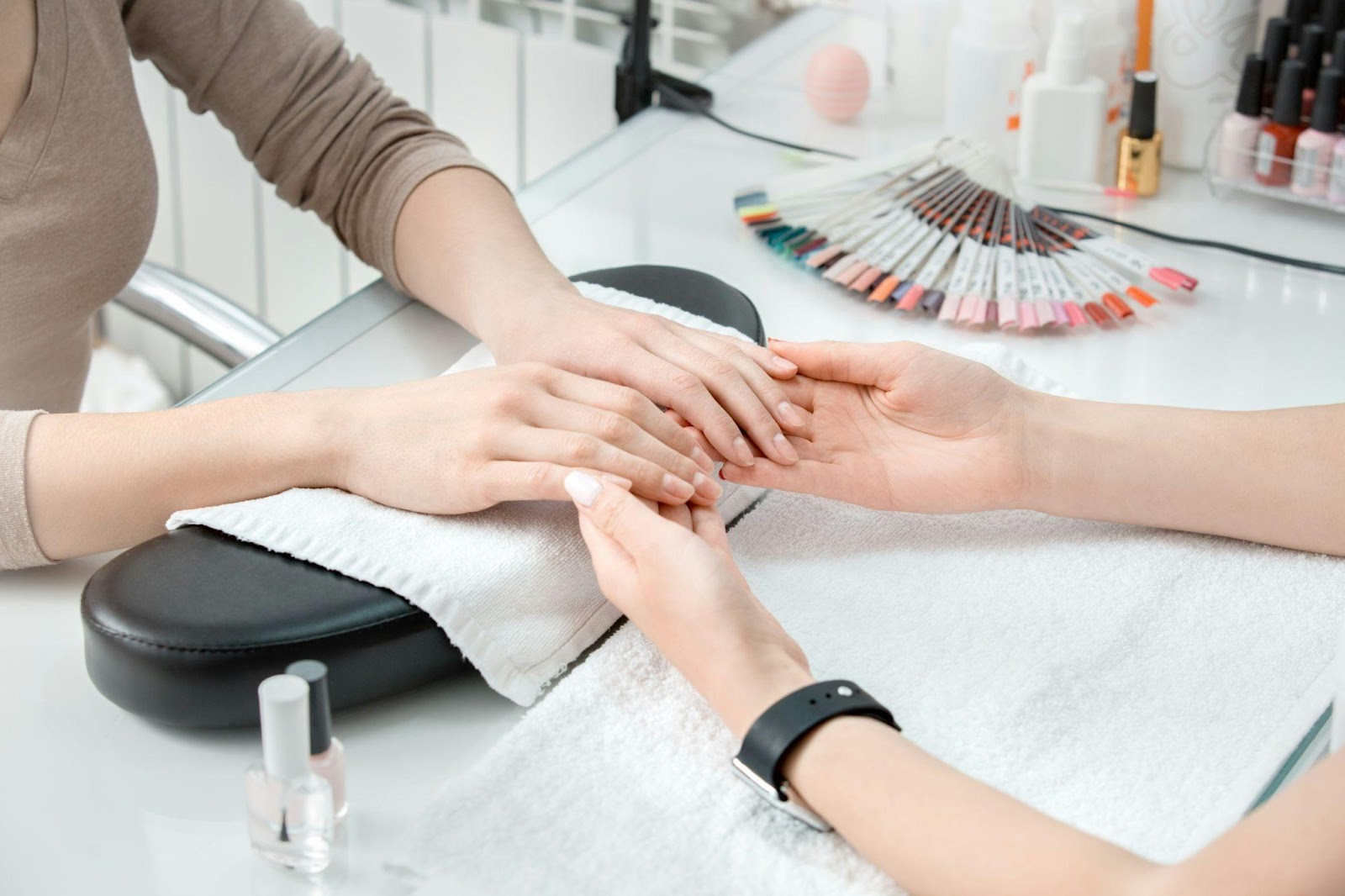
Quick beauty solutions offer more than just time savings; they offer flexibility. A parent juggling after-school pickups might not be able to sit through a two-hour appointment at a nail salon, but they can still achieve a stylish look in minutes at home. Similarly, a professional preparing for an event may not always have time for lengthy treatments but can still show up looking polished and confident thanks to convenient alternatives.
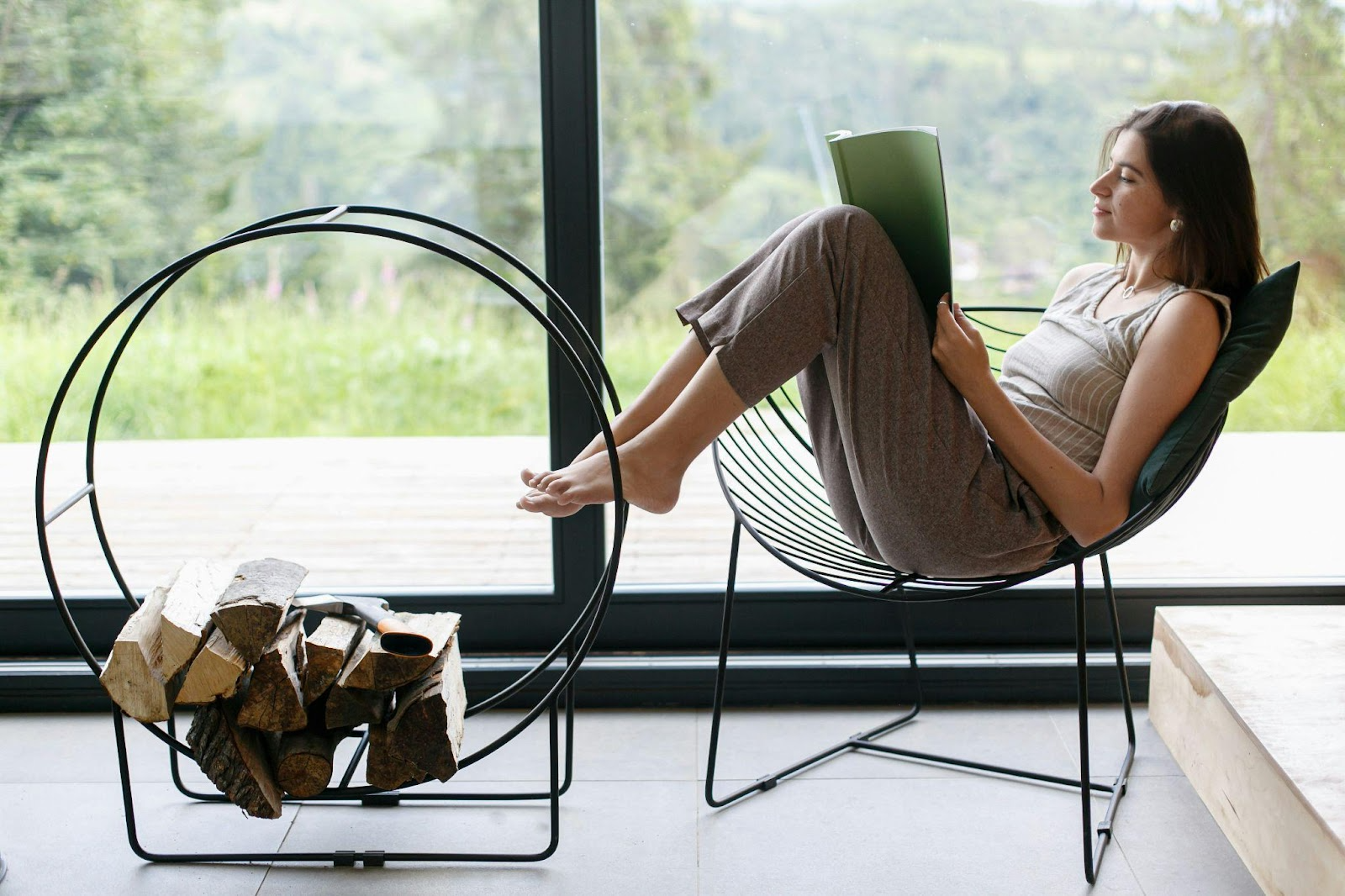
Convenience is not just about efficiency; it has a psychological benefit as well. Simplifying routines can significantly reduce stress. When people no longer have to choose between looking presentable and meeting daily demands, they feel more in control of their lives.
Consider the ripple effect: saving time in one area of life often leads to better balance in others. A simplified self-care routine can free up time for exercise, social connections, or even just rest, all of which are critical for mental and physical well-being.
Image from Unsplash
This shift toward convenience isn’t just a personal matter; it has broader community implications. Local economies, for example, adapt by offering more services tailored to time-pressed individuals. Nail salons now provide express options. Gyms offer short, high-intensity classes. Even grocery stores expand ready-to-eat meal sections.
By recognizing that community members value both style and time, businesses can thrive while also making daily life easier for the people they serve. It becomes a cycle of support: businesses innovate, residents benefit, and in turn, communities grow stronger.
Technology is one of the greatest enablers of this convenience revolution. Apps for wellness tracking, virtual consultations for skincare, and subscription models for beauty supplies all reflect how digital tools make once time-consuming tasks accessible in just a few clicks.
At-home self-care solutions are part of this broader tech-assisted culture. With clear instructions, easy applications, and wide availability online, they give individuals greater control over their routines without relying solely on brick-and-mortar services.
Some might argue that prioritizing convenience risks sacrificing quality. But the reality is that many of today’s quick self-care innovations are not about compromise, they’re about smarter design. Whether it’s in beauty products, fitness classes, or nutritional planning, convenience is increasingly paired with quality.
The shift illustrates a larger cultural value: people no longer see self-care as an indulgence reserved for extra time. Instead, it’s integrated into daily living, achievable even for those with the busiest schedules.
If current trends continue, convenience in self-care will only grow more sophisticated. We’re already seeing hints of this with AI-powered recommendations for beauty routines, wearable health monitors, and personalized delivery systems that anticipate needs before consumers even order.
For local communities, this means residents can expect even more accessible and flexible solutions. For individuals, it suggests a future where balance is easier to maintain, without sacrificing the small rituals that make us feel whole.
According to Cosmetic Delray Beach, this push for ease and sophistication is rapidly changing how we manage professional services as well, shifting the focus from brick-and-mortar clinics to flexible, on-demand support. For instance, dental health services are seeing innovations like remote aligner check-ins and mobile cleanings, ensuring that maintaining a healthy smile fits effortlessly into a busy, modern schedule.
Balancing style and daily life isn’t about choosing one over the other. It’s about recognizing that both matter and finding smart ways to integrate them. Convenience has emerged as the bridge that makes this balance possible. From tech-assisted grocery runs to innovations in beauty like press ons vs acrylic nails, people are reclaiming time without letting go of self-expression.
In the end, convenience is not about shortcuts, it’s about making room for what truly matters. And as this shift continues, communities will be better equipped to support healthier, more balanced lives for everyone.