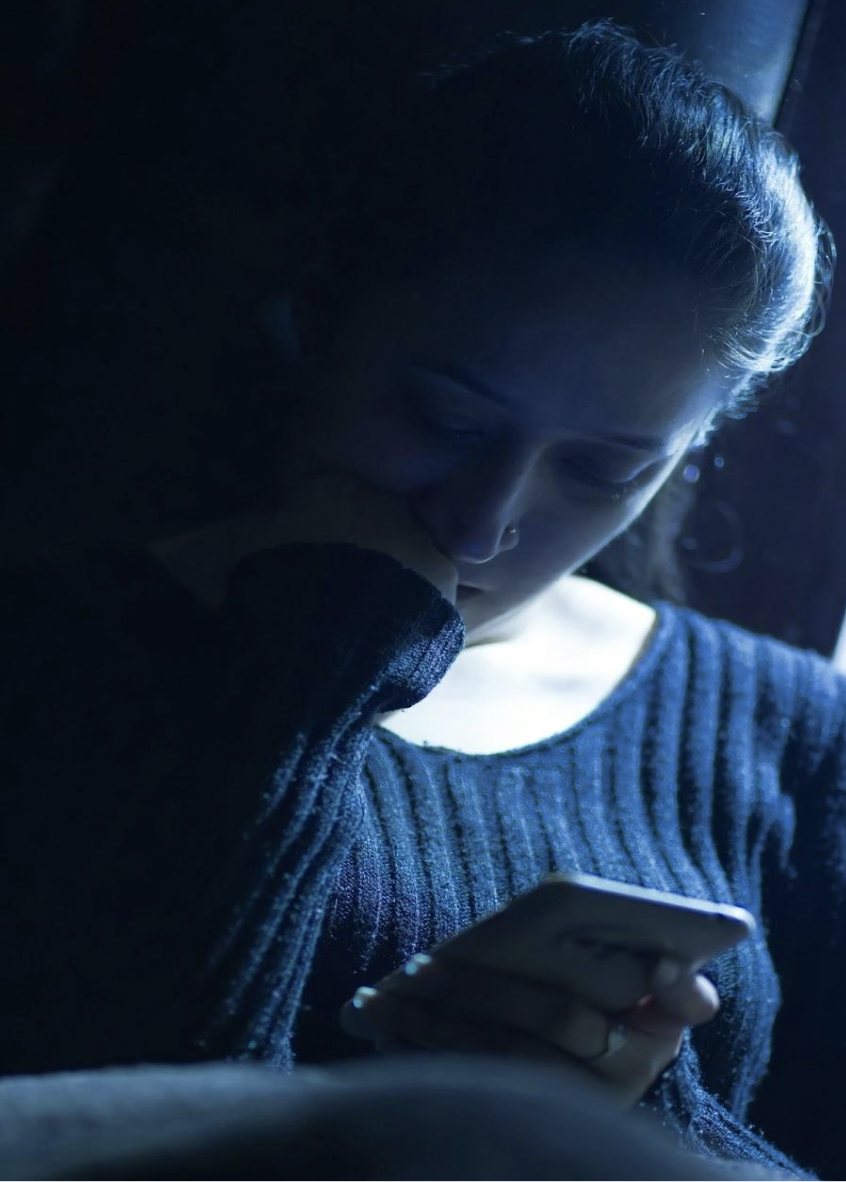
On school nights in the Wasatch Front, you can watch the same routine play out: cars snake through pickup lines, teens drift home in hoodies and slides, and by 10 p.m. bedroom lights glow blue. As a neighbor here, I hear the same quiet worries from parents—“She can’t fall asleep without her phone,” “He wakes up more tired than when he went to bed,” “They care more about likes than friends.” None of this is about “bad kids.” It’s the pace and pressure of growing up online in Utah, and the strain shows up first in sleep and self-worth.
If your family is searching for steadier ground, it helps to know where to look. Statewide resources for teen mental health include school-based supports, crisis lines, and care options that connect teens to people—not just screens. What follows isn’t a lecture on technology. It’s a local snapshot of what’s changing in bedrooms, classrooms, and group chats—and what parents can try tonight.
Utah’s 2023 Student Health and Risk Prevention (SHARP) survey, which heard from nearly 52,000 students in grades 6, 8, 10, and 12, puts numbers to what families describe at the dinner table. Only 38.4% of students reported getting eight or more hours of sleep on a typical school night, and 79.8% said they spend two or more hours per school day on non-school screen time (gaming, texting, YouTube, Instagram). The same report notes a clear link between heavy screen time, poor sleep, and worse mental-health outcomes.
The pattern is familiar: “just one more video,” alarms moved later, grades and moods drifting. When teens get short sleep, the prefrontal cortex—the part that helps with judgment and emotion regulation—has less fuel. That’s why a minor hallway comment can feel like a personal attack the next morning, or why the walk from math to lunch can feel like a cliff.
Scroll culture can warp the first mirror many teens use: other people’s highlight reels. The more time a teen spends watching peers who look “better,” live “freer,” or win “more,” the easier it is to slide into negative self-talk. In Utah’s SHARP data, a large share of students report feeling lonely and isolated often, and a meaningful minority seriously considered attempting suicide in the prior year—signals that self-worth isn’t just a buzzword; it’s a protective factor we have to rebuild at home and school.
Self-esteem isn’t a poster on a counseling office door. It’s built in ordinary moments: a coach who praises effort, a teacher who says a name with care, a parent who notices small acts of kindness. Digital life isn’t the enemy; it just needs boundaries tight enough to protect sleep and honest enough to puncture the illusion that everyone else is thriving.
Utah’s SafeUT app quietly anchors a lot of late-night support. In fiscal year 2024, the program handled 27,365 chats and 8,985 school tips across K-12 and higher ed, and crisis counselors initiated 499 emergency interventions when someone was at imminent risk of harm. Those numbers don’t tell you the text contents; they tell you teens are reaching out, and adults are responding in real time.
SHARP also points to practical, home-grown protections: family meals (even one more per week) and strong school connections both correlate with fewer harmful outcomes. In short, belonging works. Utah’s mix of neighborhood schools, youth activities, and faith-community networks can be a strength if they make room for teens who don’t fit the mold and for families under stress.
Signs at home. Bedtime keeps drifting. Mornings become battles. A teen who once loved soccer or orchestra won’t go. Grades dip. Mood swings get sharper when phones come out or go away.
What to try this week (small, local, doable).
Utah schools are already part of the fix; SHARP data show most students feel there are chances to connect with adults and activities on campus. That’s a base to build on. A simple ask—later deadlines after low-sleep weeks, hallway passes for students who need quiet, consistent check-ins with a trusted adult—can be the difference between spiraling and coping. When teens feel known by name, they take bigger risks in class (the good kind) and smaller risks online.
The choice isn’t phones or no phones. It’s whether we put sleep and self-worth back at the center of daily life. If each home on your street moved screens out of bedrooms, if each school nudged one more student into a club where they’re truly seen, the math would add up. Teens can thrive here, not because everything is perfect, but because the adults around them decide to make rest, connection, and honest help normal—and that’s the foundation for stronger conversations about teen mental health in Utah.
Sources
University of Utah Health press release on SafeUT FY2024
https://healthcare.utah.edu/press-releases/2024/11/safeut-sees-spike-reports-bullying-499-emergency-interventions-fiscal-year