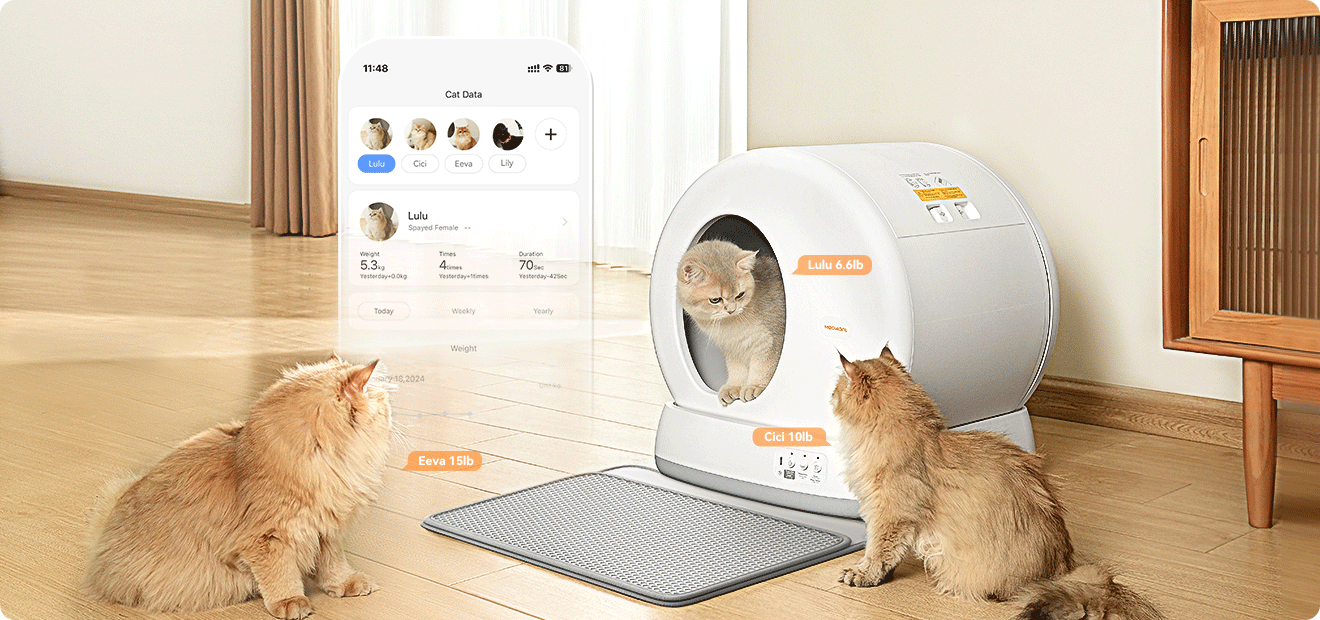
Managing litter boxes for multiple cats can feel like an endless battle against odors and cleaning demands. As your feline family grows, the traditional method of manual scooping quickly becomes overwhelming, consuming precious time and energy while potentially compromising household hygiene. Self-cleaning litter boxes have emerged as a revolutionary solution for multi-cat households, offering automated waste management and sophisticated odor control systems that work tirelessly around the clock. This comprehensive guide explores how to maximize the effectiveness of automatic litter boxes in multi-cat environments, from selecting the right system to maintaining optimal performance. Whether you're struggling with constant scooping or seeking a more efficient way to manage multiple cats' needs, discover how these innovative solutions can transform your daily routine and create a fresher, more harmonious home environment for both you and your feline companions.
The waste management challenges in multi-cat households extend far beyond simple multiplication of cleaning duties. While a single cat typically produces about 1-2 clumps of waste per day, multiple cats can generate 6-10 clumps daily, quickly overwhelming traditional litter boxes. This accelerated waste accumulation creates a compound effect on odor development, as ammonia levels rise exponentially with each additional cat. The increased usage frequency also means litter becomes saturated faster, requiring more frequent complete changes to maintain hygiene standards.
Without specialized automated solutions, cat owners face significant risks. Overflowing boxes can lead to waste scatter, bacterial growth, and unwanted elimination behaviors as cats avoid unsanitary conditions. Studies show that in homes with three or more cats, traditional boxes need cleaning up to four times daily to maintain acceptable hygiene levels - a schedule few owners can maintain. The physical capacity of standard boxes also becomes a limiting factor, as multiple cats require 50% more litter depth to accommodate increased digging and covering behaviors. These demands make specialized auto-cleaning systems not just a convenience, but a necessity for maintaining both feline health and household sanitation in multi-cat environments.
When selecting an automatic litter box for multiple cats, size becomes crucial for successful adoption. Each cat needs a minimum of 1.5 times their length in box space to maneuver comfortably. Modern systems like the Meowant XL series offer expanded capacity specifically designed for multi-cat households, with waste drawers capable of holding at least three days' worth of waste from all cats, typically 12-15 clumps per cat. Consider models with extended sides to contain enthusiastic diggers while maintaining a reasonable footprint in your space.
Multi-cat environments demand robust odor management systems. Carbon filters work well for daily maintenance but require monthly replacement under heavy use. Enzymatic treatments provide deeper odor neutralization by breaking down waste molecules, though they need weekly replenishment. The most effective solutions combine sealed waste compartments with negative air pressure systems, preventing odors from escaping during and between cleaning cycles.
For multiple cats, choose models rated for at least 15,000 cleaning cycles annually. Set cleaning frequencies to run 10-15 minutes after each use, but avoid systems that operate more than 48 times daily to prevent motor strain. Consider units with adjustable noise reduction features, operating below 45 decibels to prevent startling sensitive cats during night cycles.
Strategic placement of automatic litter boxes plays a vital role in preventing territorial conflicts between multiple cats. Position units in separate areas of your home, ideally on different floors or opposite ends of living spaces, allowing each cat to claim their preferred territory. When selecting locations, ensure at least 3 feet of clearance on all sides to accommodate cautious cats who prefer escape routes. For optimal performance, use only premium clumping litters specifically rated for automatic systems - crystal litters can interfere with rake mechanisms while standard clumping varieties may not hold up to increased usage. Most households with 3-4 cats benefit from maintaining at least two automatic units plus one traditional box during the transition period. When installing multiple systems, protect power cords with cord covers and position units away from water sources, using GFCI outlets for added safety. Consider placing units on waterproof mats to contain scattered litter and simplify cleanup.
Check waste drawers each morning, ensuring they're no more than 75% full to prevent overflow issues. Inspect carbon filters for saturation, particularly around high-traffic periods. Wipe down external sensors and rake mechanisms with a microfiber cloth to prevent debris buildup that could trigger false readings.
Remove and empty the waste collection system completely, washing components with pet-safe disinfectant. Clean optical sensors using compressed air and alcohol wipes to maintain accurate operation. Replace approximately one-third of the litter volume to maintain optimal depth and clumping efficiency.
Examine rake gears and drive belts for signs of wear, applying food-grade lubricant to moving parts as needed. Replace door seals showing any degradation to maintain odor containment. Check for system updates through manufacturer apps, ensuring optimal performance algorithms are current.
Maintain litter depth between 3-4 inches for optimal clumping and sensor function. Top up litter every 3-4 days, adding small amounts rather than waiting for significant depletion. For maximum compatibility, use fresh, dust-free clumping litter specifically formulated for automatic systems. Rotate the litter bed daily by gently stirring to prevent compaction and ensure even distribution.
When managing automatic litter boxes for multiple cats, sensor errors often arise from increased usage patterns. Address these by thoroughly cleaning optical sensors weekly and ensuring waste drawers maintain 25% free capacity. For rake mechanism jams caused by dense clumping, adjust the cleaning cycle timing to allow longer intervals between uses, typically 15-20 minutes, giving litter time to form manageable clumps. If waste drawer overflow alarms trigger frequently, implement a twice-daily emptying schedule during peak usage times rather than waiting for system alerts. To resolve cat avoidance behaviors during cleaning cycles, program operations for off-peak hours when cats typically rest, and consider using sound dampening pads under units to reduce startling mechanical noises. For boxes experiencing repeated clogs, switch to a premium clumping litter with faster solidification times and reduced dust content. When multiple cats show box aversion, temporarily add an extra traditional litter box while gradually reintroducing them to the automatic system through positive reinforcement.
Successfully transitioning multiple cats to an automatic litter box requires a methodical approach that respects each cat's unique personality and territorial needs. Begin by placing the new auto box next to existing manual boxes, leaving it unplugged for several days to allow cats to investigate it without mechanical sounds. Once cats show comfort approaching the unit, start running cleaning cycles during their usual rest periods to minimize startling experiences. Create positive associations by offering treats and praise when cats explore or use the new system. For territorial cats, maintain separate auto boxes in different areas, ensuring each cat has a preferred space. If certain cats show resistance, use their own waste to transfer familiar scents to the new box, encouraging natural investigation. During the transition period, keep at least one traditional box available but gradually reduce its cleaning frequency while maintaining the auto box pristinely. Address any inter-cat conflicts by providing multiple escape routes around each unit and consider using feline pheromone diffusers to reduce stress. Most cats adapt within 2-3 weeks, but some may require up to 6 weeks for full acceptance.
Automatic litter boxes have revolutionized waste management for multi-cat households, transforming an overwhelming daily chore into a manageable, efficient system. By implementing proper maintenance routines and optimizing setup configurations, these innovative solutions effectively address the core challenges of increased waste volume, accelerated odor accumulation, and territorial dynamics between multiple cats. Success lies in following a three-pillar approach: strategic placement of multiple units, consistent maintenance schedules, and patient training techniques. When properly maintained, these systems not only reduce the time spent on daily cleaning but also create a healthier environment by ensuring consistent waste removal and superior odor control. The investment in automated litter solutions pays dividends through improved household hygiene, reduced cat stress, and significantly decreased manual cleaning requirements. By staying proactive with troubleshooting and maintaining regular cleaning protocols, multi-cat households can enjoy a harmonious living space where both humans and felines thrive. The future of multi-cat litter management lies in these intelligent systems, offering a sustainable solution to one of the most challenging aspects of caring for multiple cats.