Picture this: You're deep in the backcountry, capturing that perfect sunset shot when your phone dies – taking with it your GPS navigation and emergency contact ability. It's a frustrating scenario that outdoor enthusiasts know all too well, where power loss isn't just an inconvenience, but a potential safety risk.
While traditional power banks and solar chargers have long been go-to solutions, they often fall short during extended outdoor adventures. Modern power stations offer a robust alternative, but choosing the right battery capacity can feel like solving a complex puzzle. Too little power leaves you vulnerable; too much weighs you down.
This guide cuts through the confusion surrounding battery capacity selection for outdoor activities. We'll explore how to match power needs with adventure demands, balancing crucial factors like device requirements, trip duration, and portability constraints.
Whether you're a weekend warrior or a long-distance trekker, understanding battery capacity ensures your devices stay powered when you need them most. Let's decode the science of portable power to help you make informed decisions for your next outdoor expedition.
Battery capacity might seem complex at first, but mastering two key measurements – watt-hours (Wh) and amp-hours (Ah) – unlocks the mystery. Watt-hours represent total energy storage, while amp-hours indicate current flow over time. To convert between them, multiply amp-hours by the battery's voltage – a 20Ah 12V battery delivers 240Wh of usable power.
When selecting outdoor power solutions, capacity takes precedence over peak wattage. While a unit might boast impressive 1800W output, its capacity determines how long it sustains that power. Think of peak watts as water pressure, while capacity represents the size of your tank. You might have great pressure, but without adequate capacity, you'll run dry quickly.
The practical difference between capacity levels becomes clear in daily use. A 100Wh increase typically translates to three additional phone charges, one more laptop session, or several hours of LED lighting. This understanding helps avoid the frustration of insufficient power during critical moments, especially when far from grid power. For outdoor enthusiasts, proper capacity sizing means the difference between staying connected and going dark when it matters most.
Understanding your power requirements starts with a thorough device assessment. A modern smartphone typically consumes 2-3W per hour of active use, while LED camp lights draw 1-2W. More demanding devices like drones require 40-60W during flight, and medical devices such as CPAP machines consistently use 30-40W. To determine your total needs, multiply each device's wattage by its expected hours of use. For example, a phone charging for two hours (6W total) plus camp lights running six hours (12W total) equals 18Wh baseline power consumption.
Power needs scale dramatically with trip length. A day hike might only require enough capacity for emergency phone charging (20-30Wh), while a weekend camping trip demands considerably more. For multi-day adventures, multiply your daily power consumption by the number of days, then add a 20% safety buffer for unexpected needs. Consider that power stations lose 10-15% of stored energy through inverter conversion, particularly when powering AC devices. Even in standby mode, most units draw 0.5-1W per hour, accumulating to significant drain over extended periods. For a five-day trip using 50Wh daily, calculate: (50Wh × 5 days × 1.2 safety margin) + 15% conversion loss = 345Wh minimum capacity needed.
Modern portable power stations come in distinct capacity tiers, each serving specific outdoor scenarios. Compact units ranging from 100-300Wh excel at emergency device charging, providing enough juice for 8-12 phone charges or a weekend of headlamp use. These lightweight options prove ideal for day hikers and ultralight backpackers who prioritize minimal carry weight.
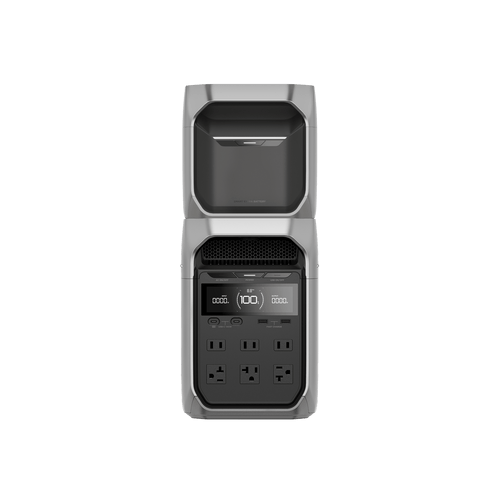
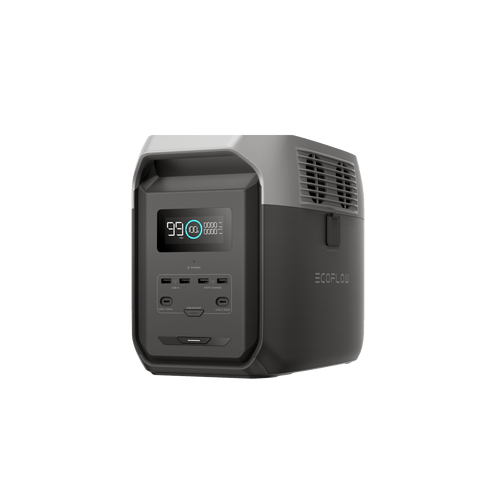
Mid-range stations between 300-700Wh strike an optimal balance for weekend warriors. With this capacity, you can confidently power multiple devices, run camp lighting systems, and even support moderate power draws like laptop charging or small coolers. The EcoFlow RIVER 3 exemplifies this category, offering sufficient power for a family camping weekend while maintaining reasonable portability.
High-capacity units exceeding 700Wh cater to extended group expeditions and power-hungry applications. These powerhouses support CPAP machines through multiple nights, drone operations for aerial photography, and even portable fridges for extended periods. While these units offer unmatched runtime, their increased weight typically restricts them to basecamp scenarios or vehicle-supported adventures where portability concerns are secondary to power availability.
Every watt-hour of capacity adds weight to your pack, creating crucial tradeoffs for human-powered adventures. Modern lithium power stations average 2.2 pounds per 200Wh, meaning a 600Wh unit adds nearly 7 pounds to your load. For day hikers and backpackers, this weight impact demands careful consideration against the terrain difficulty and distance. Additionally, physical dimensions affect how seamlessly a power station integrates with your gear. While a 300Wh unit typically fits in a daypack's main compartment, larger capacities may require dedicated carrying solutions or external attachment points.
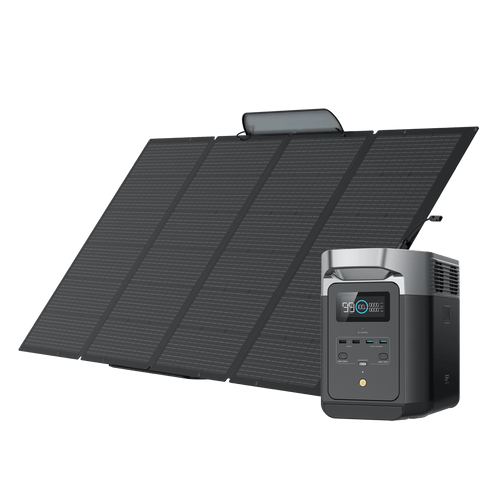
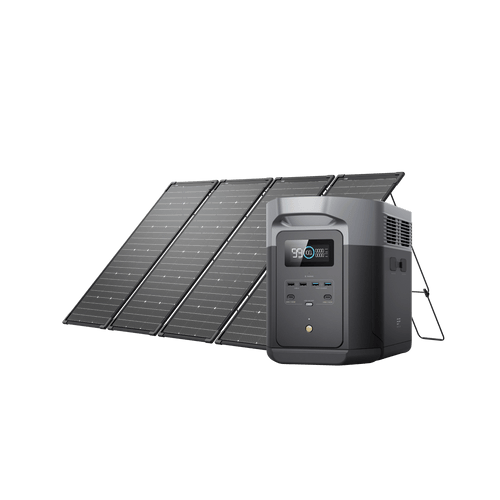
Solar recharging capabilities scale with battery capacity, requiring careful panel selection. As a general rule, solar panels should output at least 25% of your battery's capacity for practical charging times. A 500Wh power station pairs well with 120-150W panels, achieving full charge in 4-5 hours of optimal sunlight. For vehicle-based adventures, understanding car charging specs becomes crucial. Modern power stations support 12V charging at varying speeds - smaller units typically recharge in 3-4 hours during drives between locations, while high-capacity models may require overnight charging. When planning extended trips, factor these recharge cycles into your daily routine, especially when relying on weather-dependent solar power.
Begin your capacity selection journey by creating a detailed power log. List every device you plan to use, noting both their wattage requirements and estimated daily usage time. A smartphone typically needs 15Wh per day with moderate use, while a drone might consume 60Wh per flight session. Document these numbers systematically for accuracy.
With your usage data collected, calculate your total daily power needs. Multiply each device's wattage by its hours of use, then sum these figures. Add a critical 20% buffer to account for unexpected needs and system inefficiencies. For example, if your base calculation shows 200Wh daily usage, your actual target should be 240Wh to ensure reliable power.
Next, match your power requirements to the appropriate capacity tier based on trip duration. Weekend adventures typically align with mid-range units, offering ample power for multiple devices while maintaining reasonable portability. For longer expeditions, multiply your daily requirement by trip length, considering whether solar recharging will offset your needs.
Before finalizing your selection, evaluate practical constraints. Consider whether you'll be carrying the unit long distances - each additional 100Wh adds roughly one pound to your pack. Review your available recharging options, ensuring they align with your journey's logistics. The ideal power station balances capacity with portability while offering versatile charging methods that match your adventure style.
Selecting the right battery capacity for outdoor adventures represents more than a technical decision – it's an investment in peace of mind and outdoor freedom. Through understanding watt-hours, calculating device needs, and evaluating practical constraints, you've gained the knowledge to make informed power decisions that align with your adventure style.
Remember that the perfect capacity balances sufficient power with manageable weight, ensuring your gear enhances rather than hinders your outdoor experience. Whether you're capturing stunning wilderness photos, maintaining essential medical devices, or simply staying connected for safety, right-sized power unlocks new possibilities in the backcountry.
Before your next adventure, take time to calculate your power requirements using the framework provided. Consider how reliable power access might transform your outdoor experiences – from extended backcountry stays to worry-free family camping trips. The wilderness awaits, and with proper power planning, you're ready to embrace it fully powered and prepared.